NIIFI Super computer centre


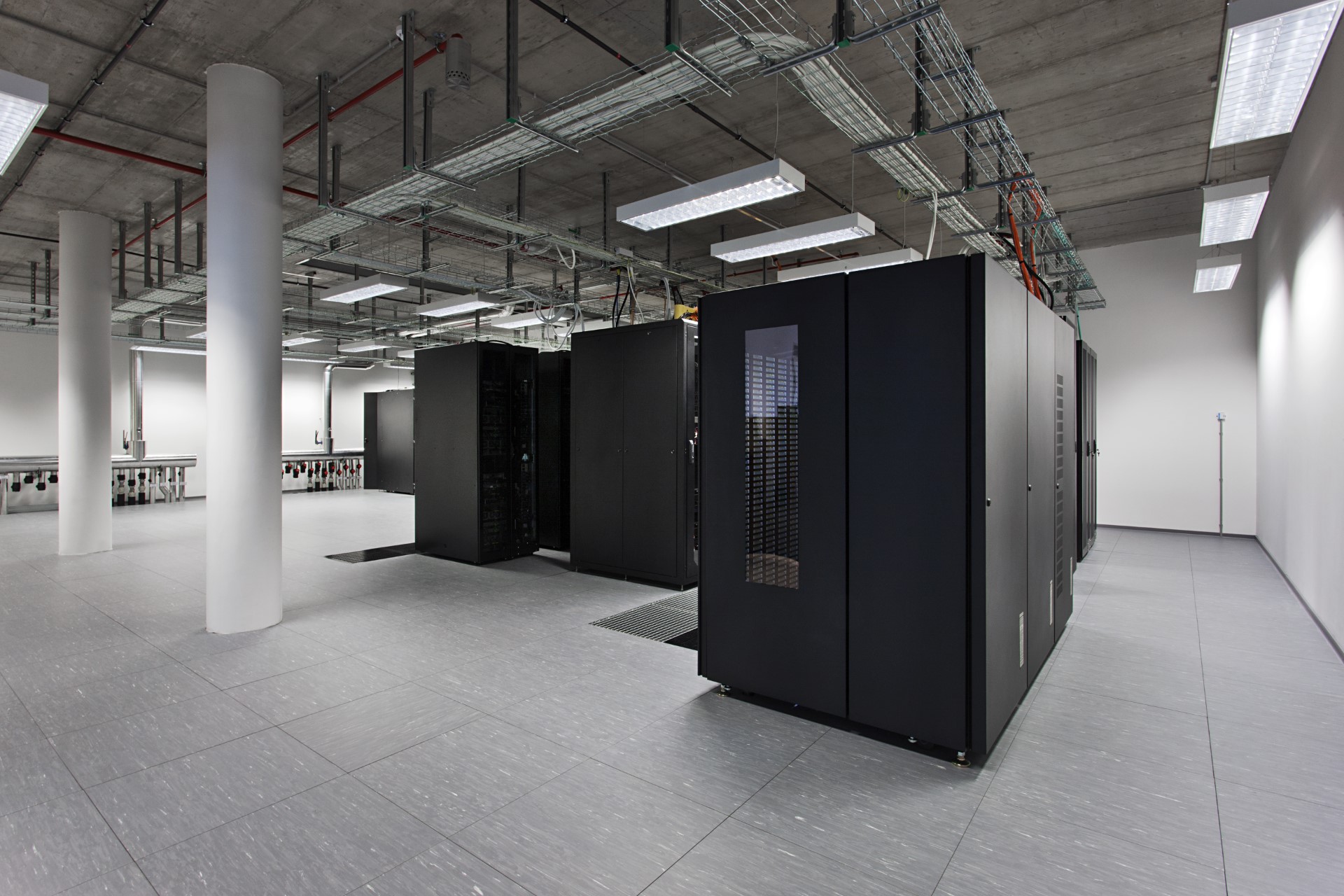
A world-level development SUPER COMPUTER was implemented on the campus of Debrecen University
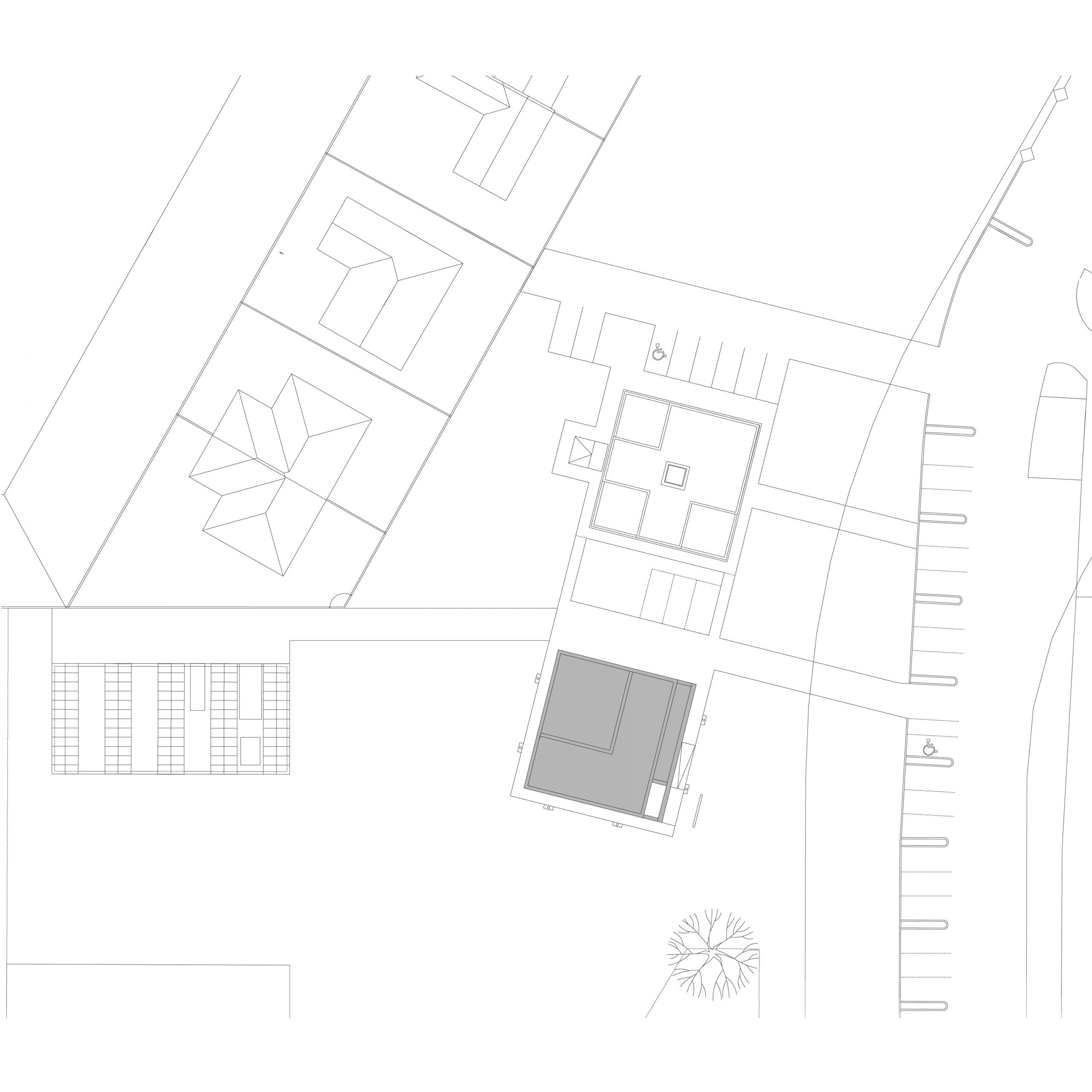
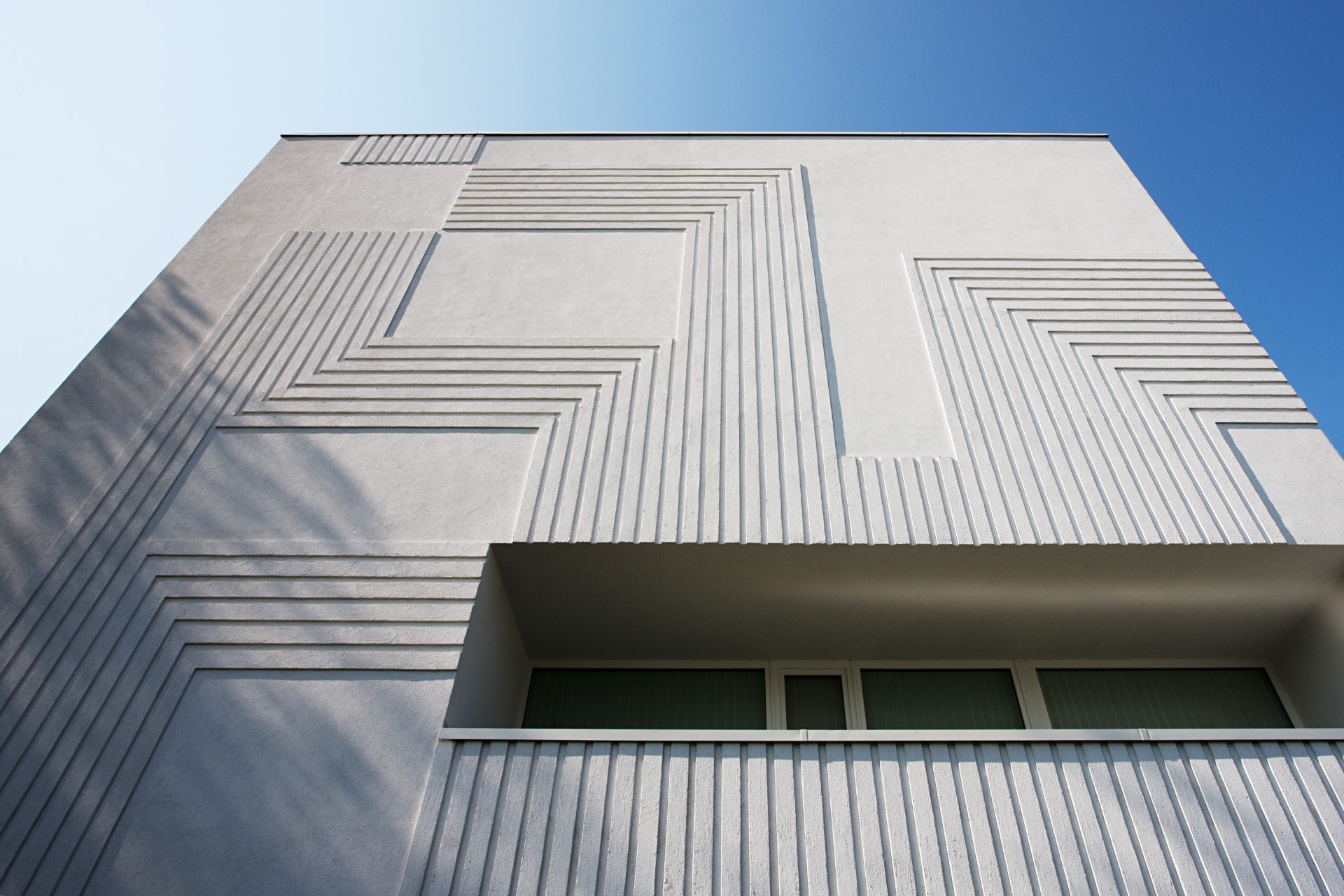
There are two regular cube-shaped buildings on the campus of the University of Debrecen, barely 15 meters apart. With their designer, the award-winning architect Ferencz Marcel Ybl and Pro Architectura, we talked about the not-so-simple path that led to the birth of these buildings with reduced design. Looking back at his work, I thought we should mostly talk about the last ten years, one of the endpoints of which is the heavy building reminiscent of the Hun Bath in Bodrogkeresztúr from 2003, and the other the steel cube of the Demonstration Center handed over in 2013 and just a few months ago. The supercomputer Center, LEÓ, is also a cube-shaped, lightweight building - the latter two on the campus of the University of Debrecen.
It was as if they were not drawn by the same hand, they were designed by a head! However, I also suspect that this formula is much more complicated than that. How do you see these ten years and these jobs in it? He asked the most difficult question, which I had already been asking myself about in connection with my habilitation in 2012, namely, how the bath and the steel cube “look at each other”. Has there been an internal rearrangement, or are the causes basically to be found in the outside world?
There are two possible answers. One can answer with a very nice, round, self-defense sentence that says the spirit has survived in the latter cube buildings, only in a different form, but the roots from which they feed are the same. But it’s also true that it was during this very time that we put down the pencil - Hun Bath is another “pencil building” - and switched to computer-aided design. One could talk at length about how the hand, the human brain, and the imaginary world “move together” on paper, and how subtle gestures it can all be! This also happens along a kind of logic, and also when one moves a mouse in an abstract space while sitting in front of the monitor. I believe that practitioners of contemporary architecture who create very well-proportioned, good-sense spatial sculptures according to their own self-contained ideas can also draw very beautifully. These architects know the instincts of how their hands and brains move in the paper space, even in the machine dimension, only with a different pulsation, a different character; their architecture remained just as instinctive, but it became very refined because the machine geometry itself does not tolerate too many details. Architecture is never a formal world, it is always a spiritual world, and it doesn’t matter if we build in tiny layers - “bath” a tiny building - or start carving it back from a big, spiritual cube. The process outlined interprets his thinking and the stations he has traveled as a personal, inner journey. But how could he convince the officials of the University of Debrecen of the steel cube? The program of the building energy information center, which operates as a research laboratory, included a 7.5-meter-high, two-story project, but I also had to adapt to the height of the existing buildings on campus, which was around 15 meters. The question was, how would this become 15 meters? The actual building of the lower block, the research laboratory, became a 7.5-meter-high, functionally well-functioning cube, which, doubling its overall height and evoking the shape of the cube, was given a steel crown, thus reaching the required installation height. In fact, this form was very unusual in that environment, but my enthusiasm could warm up, heat up the environment; stuck to the customer; they began to believe in it and began to want it Two years later it was followed by another dice, the LEO. How planned was this sequel? The steel cube is actually an “ugly” box that is packed with structures that fit the purpose and demonstration features and is very much loved because it works well. But it wasn't a sequel. The second cube was “born” of heat and catharsis formed and preserved in connection with the first; when it turned out that another university investment could be made for the campus, I was asked to plan it. I wasn’t thinking about a second cube at all, but the customer insisted on it. Then they got excited about the task… and I gave in to the pressure. How did this heat work for modern villa buildings that had no precedent in their work so far? Why did the private customers of the villas think they could design it that way? One always carves and then discards what he has done so far and tries again. After the Hun Bath, the question really arose as to how the “modern” appearing in the villa buildings could be carved and shaped so that I could feel the heat in the context of the modern, even in this intimate, Personalized medium.