Renovation of Zsámbéki Old Church and its surroundings
Renovation of Zsámbéki Old Church and its surroundings - design tender - selected
"Let the work of István Möller in Zsámbék stand as an example here, who started the task with the intention of rebuilding and treasured the Middle Ages carved in stone as a celebrated architectural and historical monument preservation thesis.
Keeping it as a ruin is a direct reference to historical antecedents, and filling it with a function is the fulfillment of memory." (from the tender description)
Time, matter, space, spirit: place
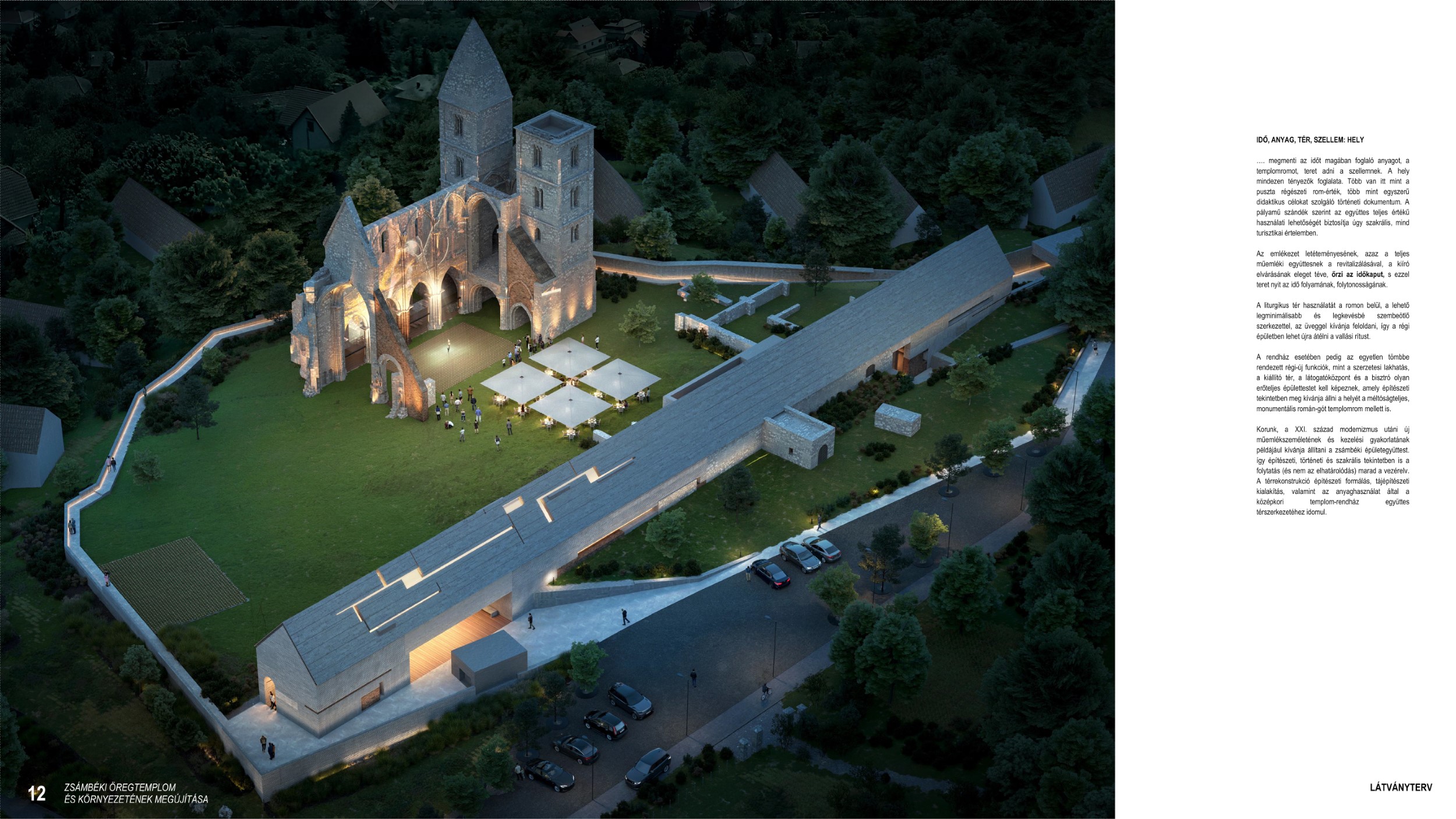
…. it saves the material that includes time, the temple ruin, to give space to the spirit. The place is the summation of all these factors. There is more here than mere archaeological ruins, more than a historical document serving simple didactic purposes. According to the intention of the project, it ensures the full use of the ensemble in both a sacred and touristic sense.
By revitalizing the custodian of memory, i.e. the entire ensemble of monuments, meeting the expectations of the advertiser, he guards the time gate and thus opens up space for the flow and continuity of time.
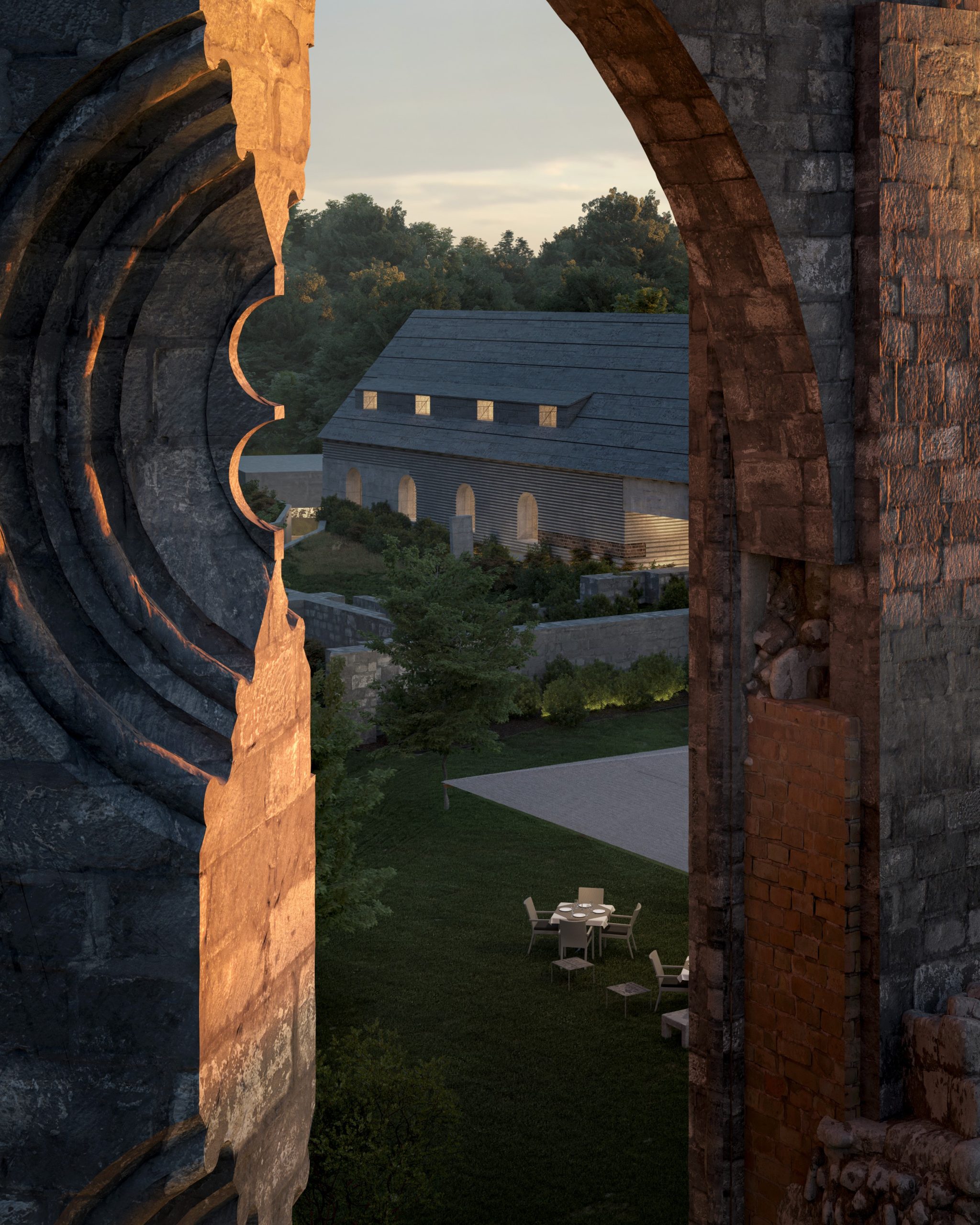
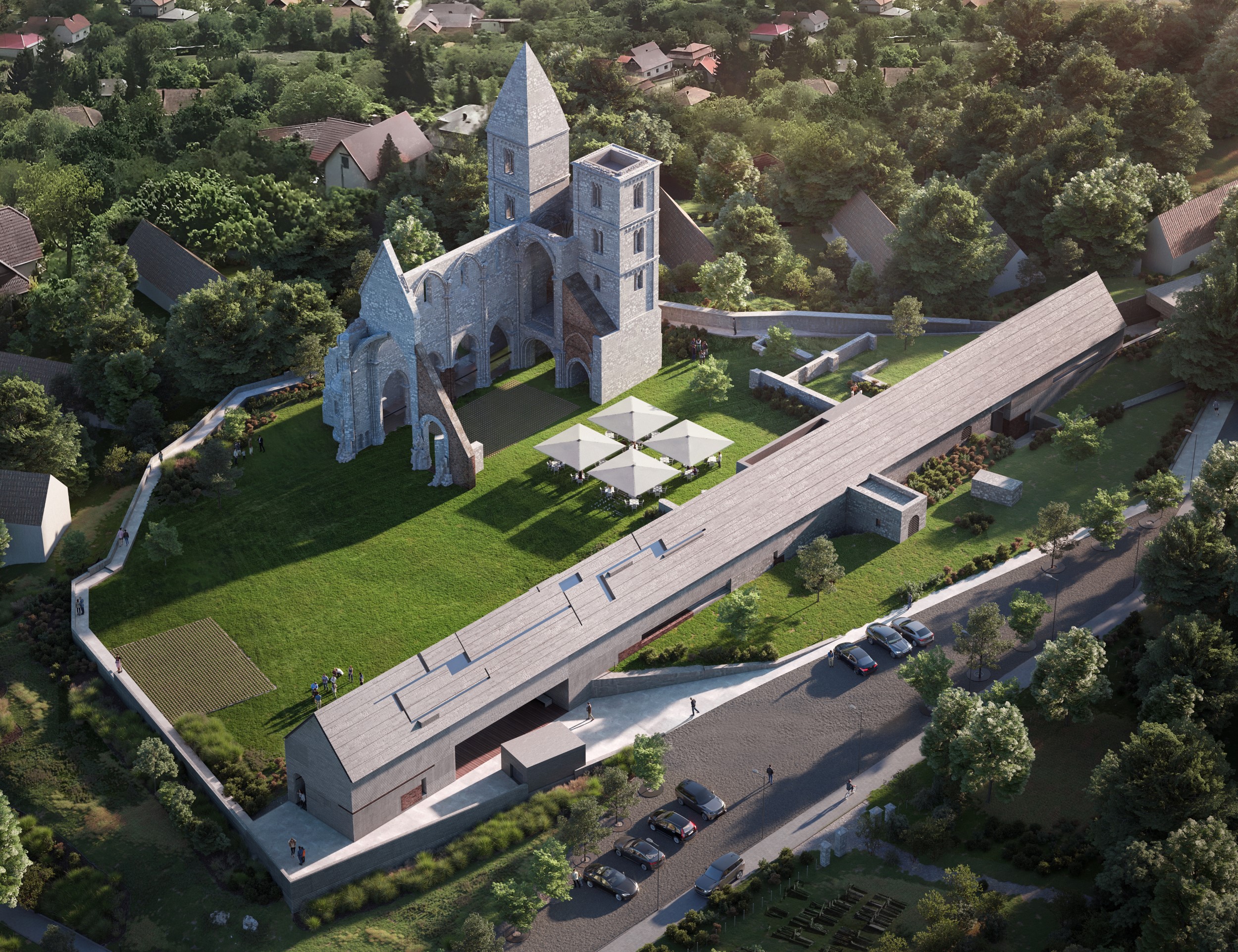
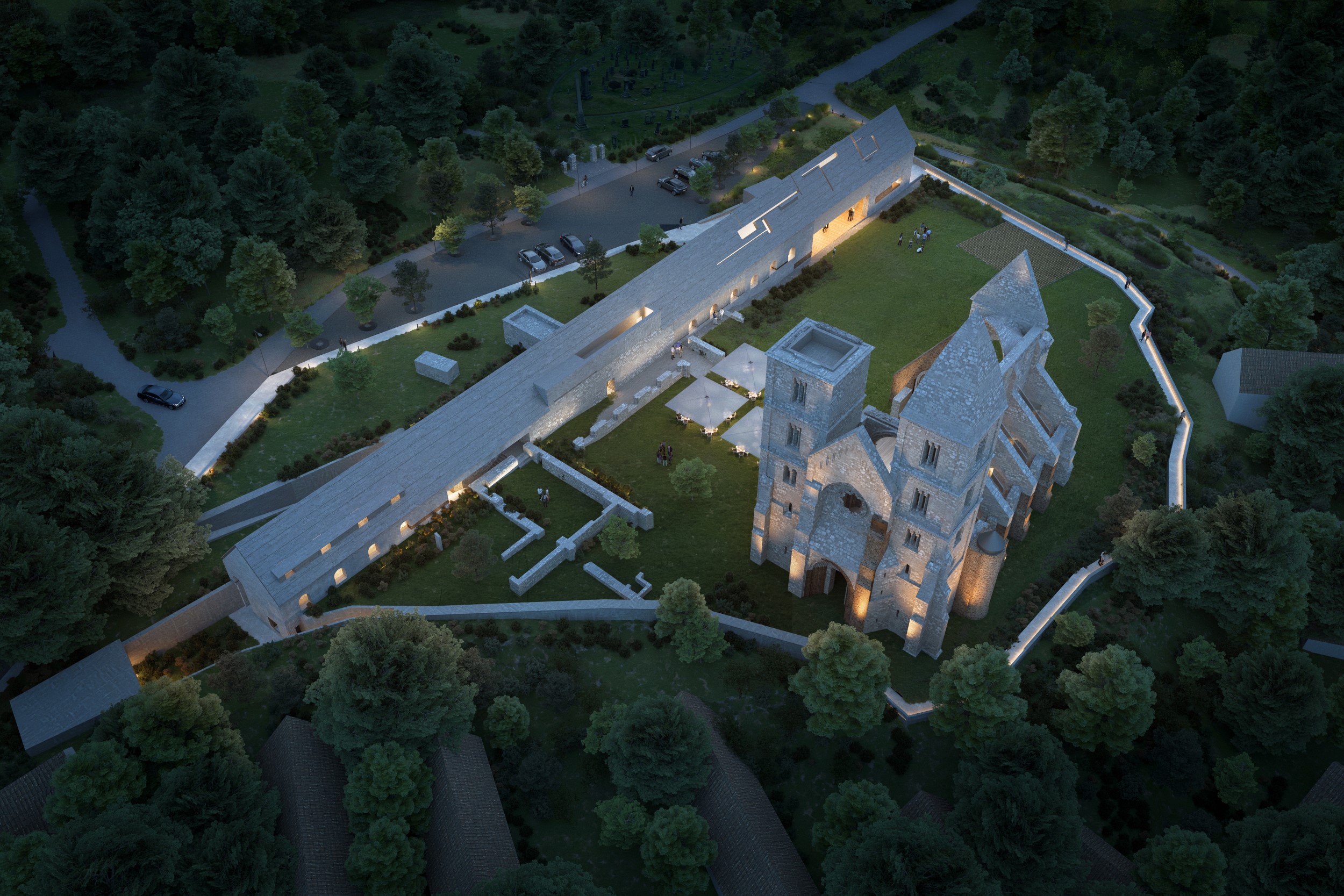
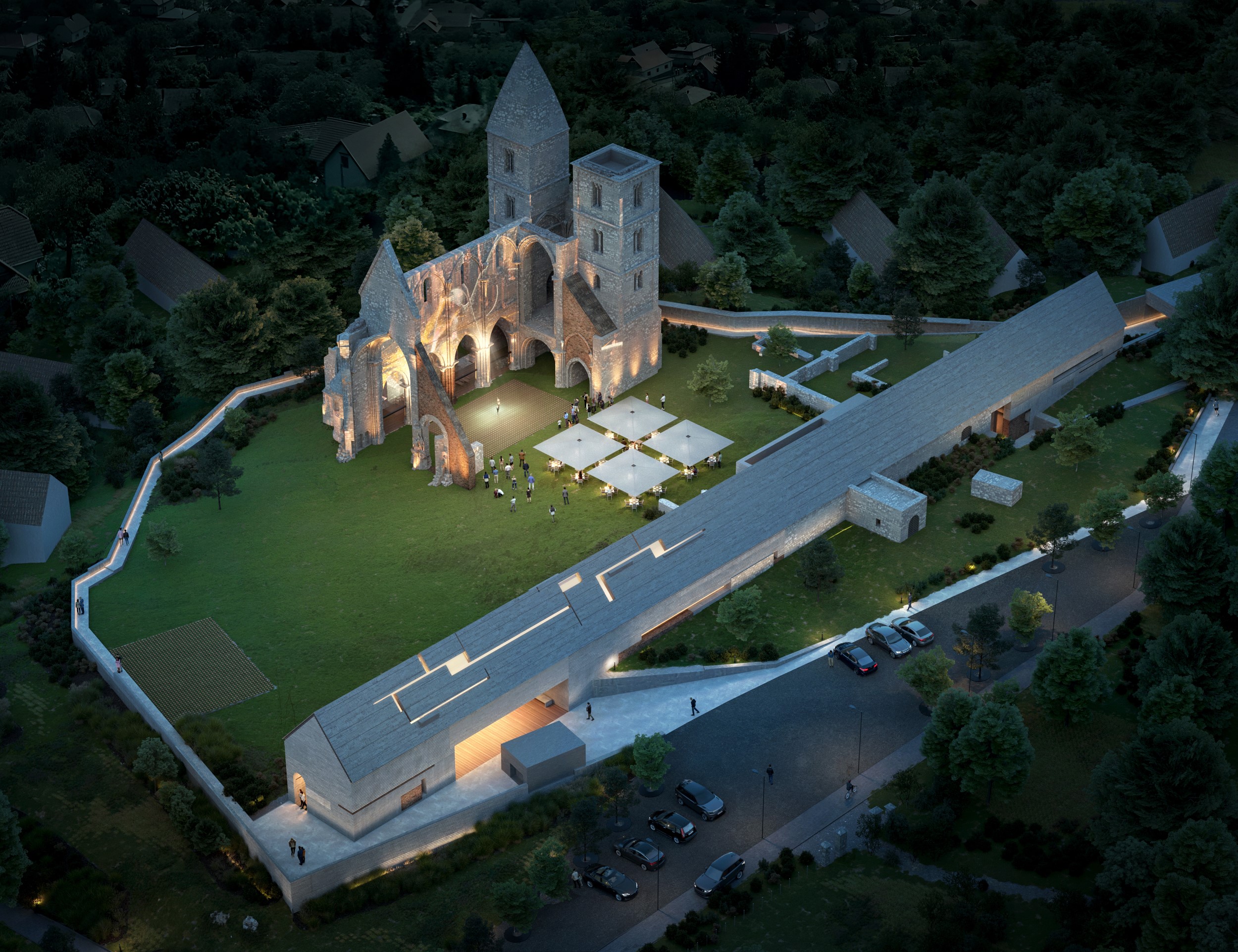
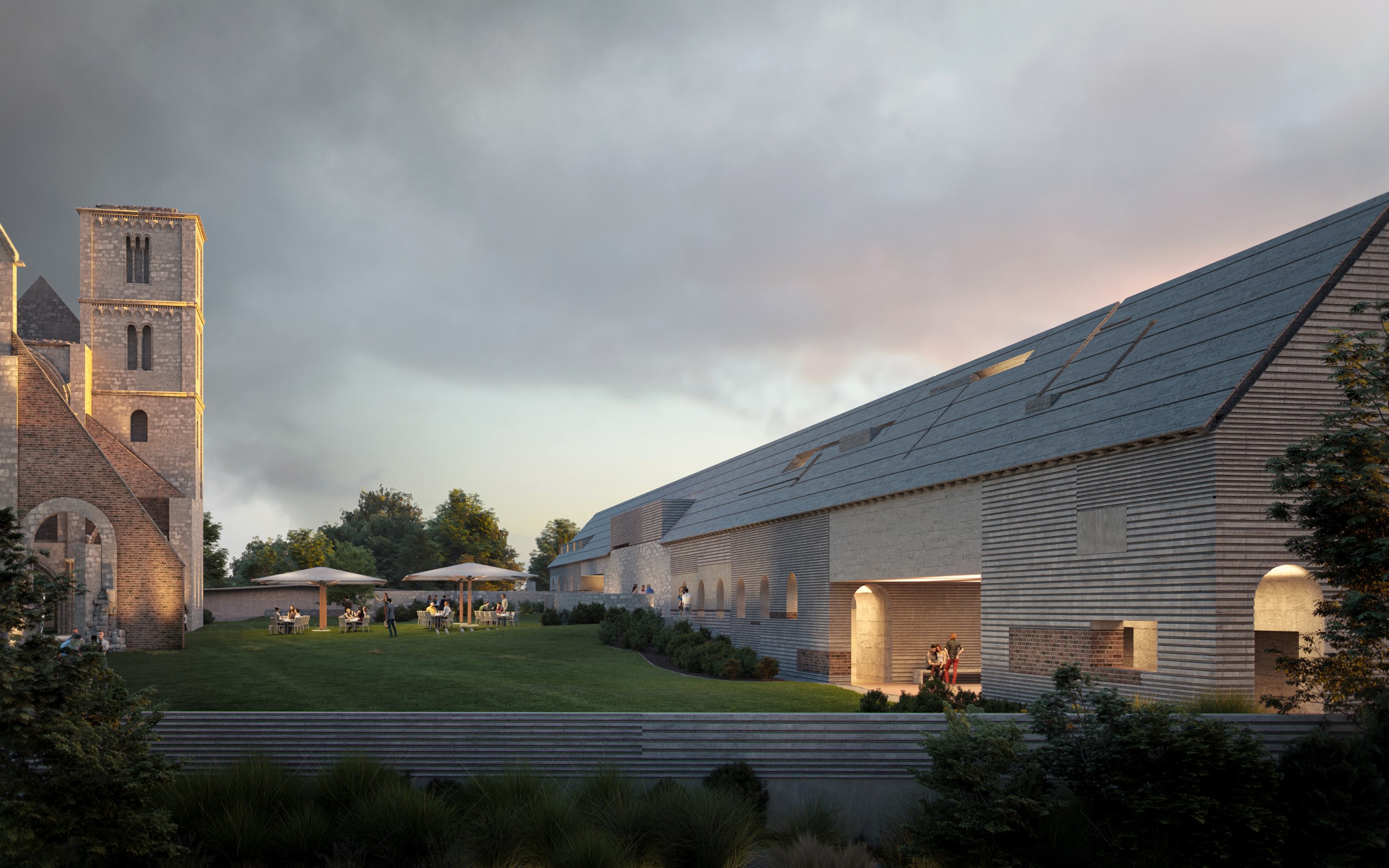
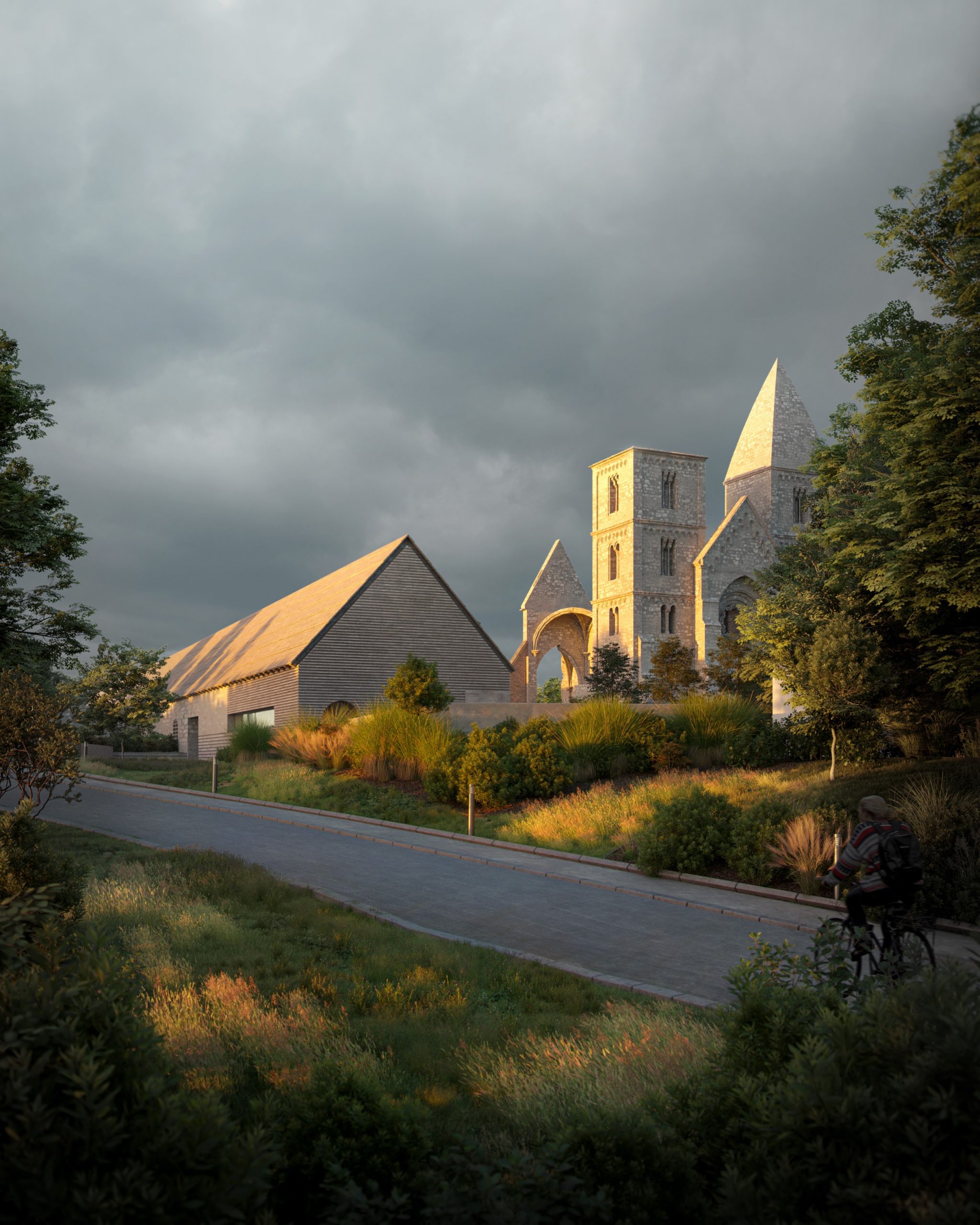
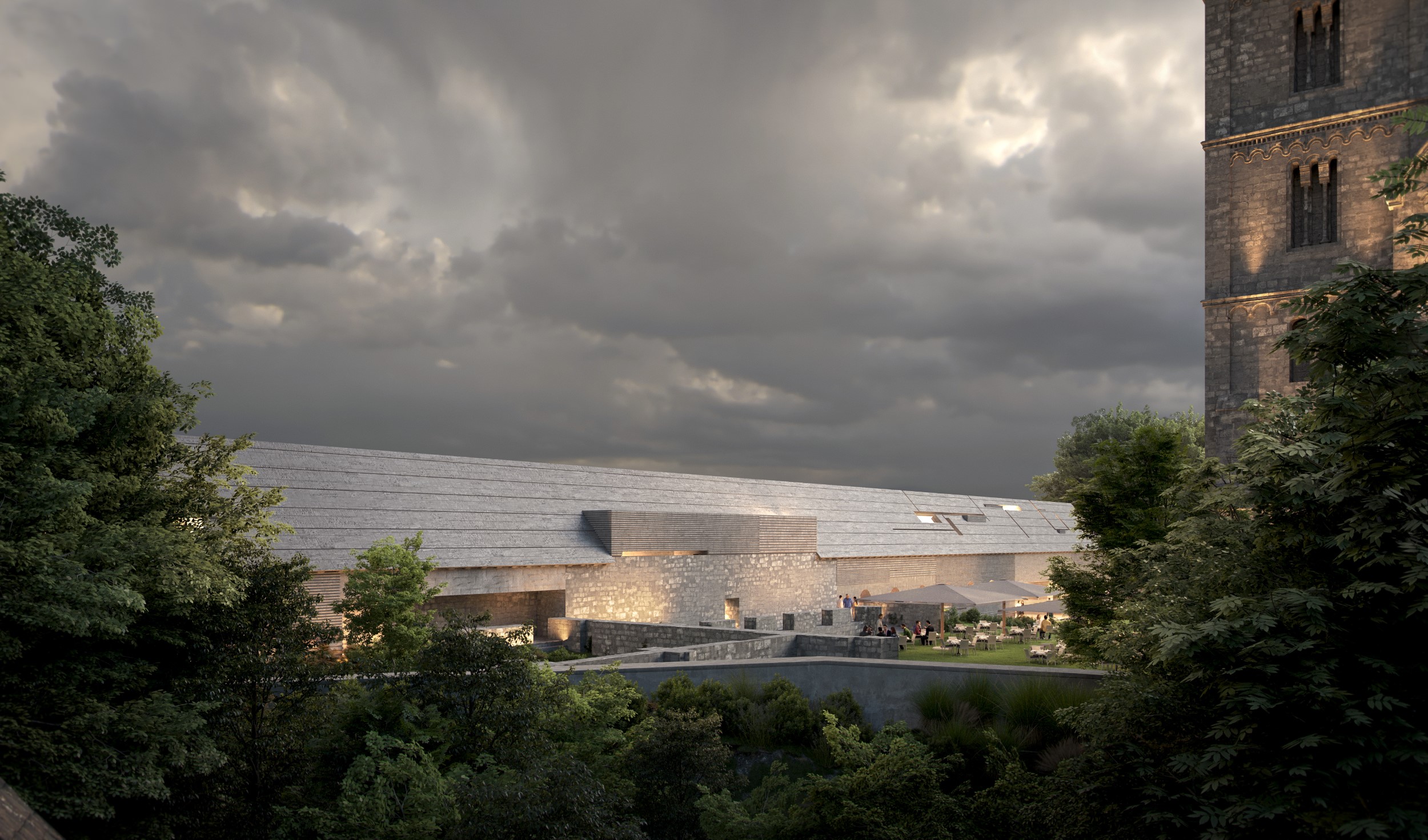
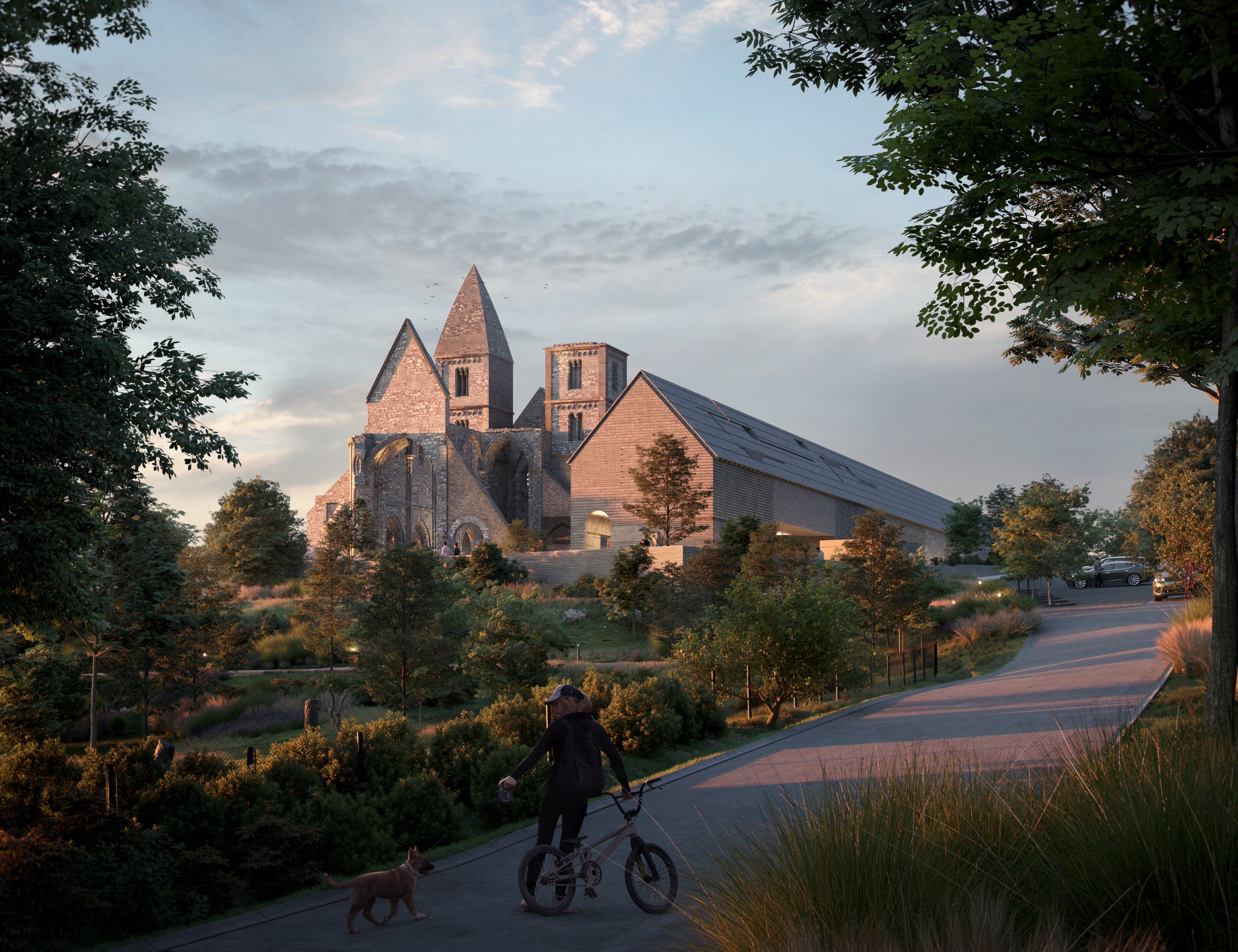
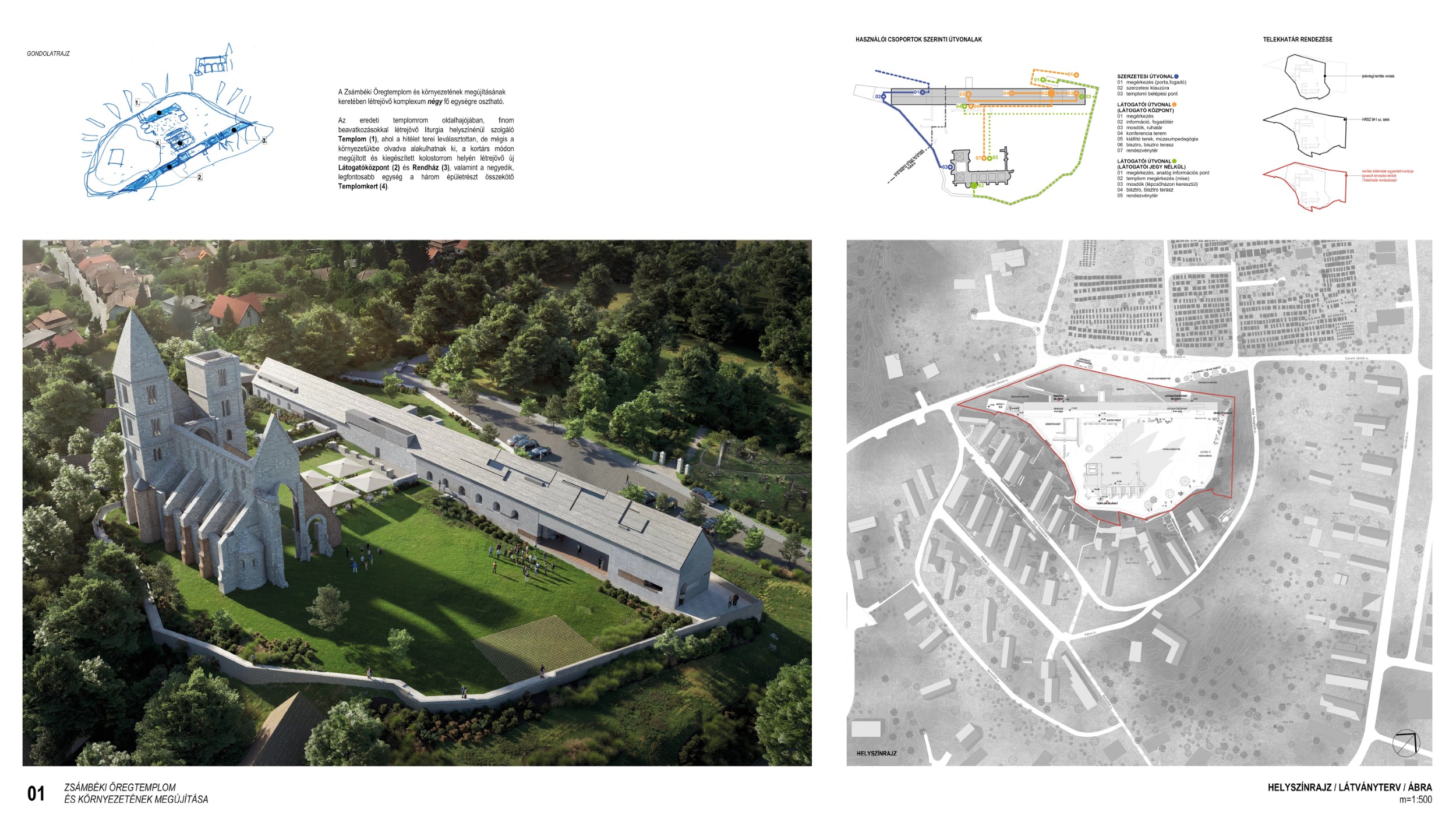
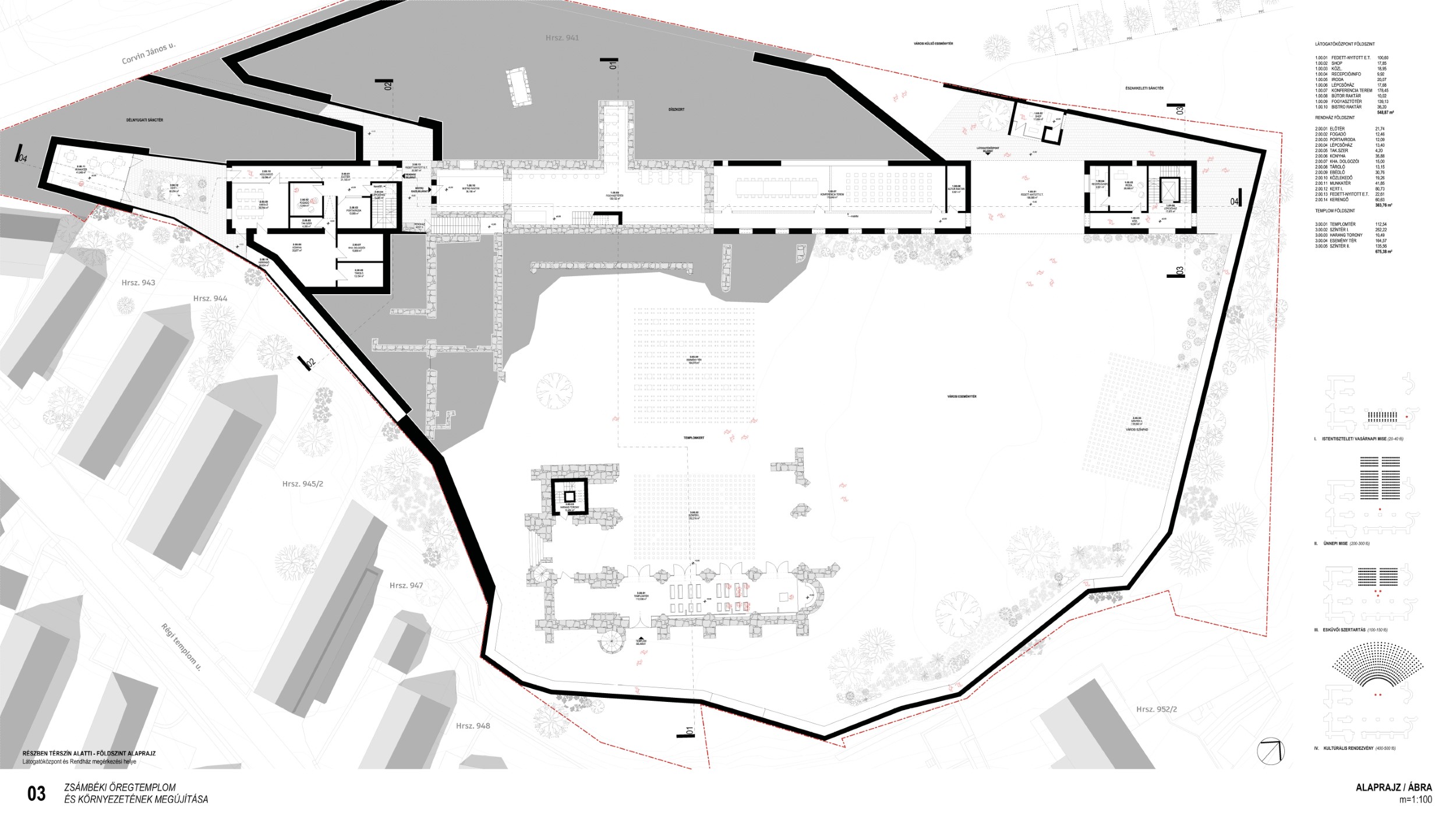
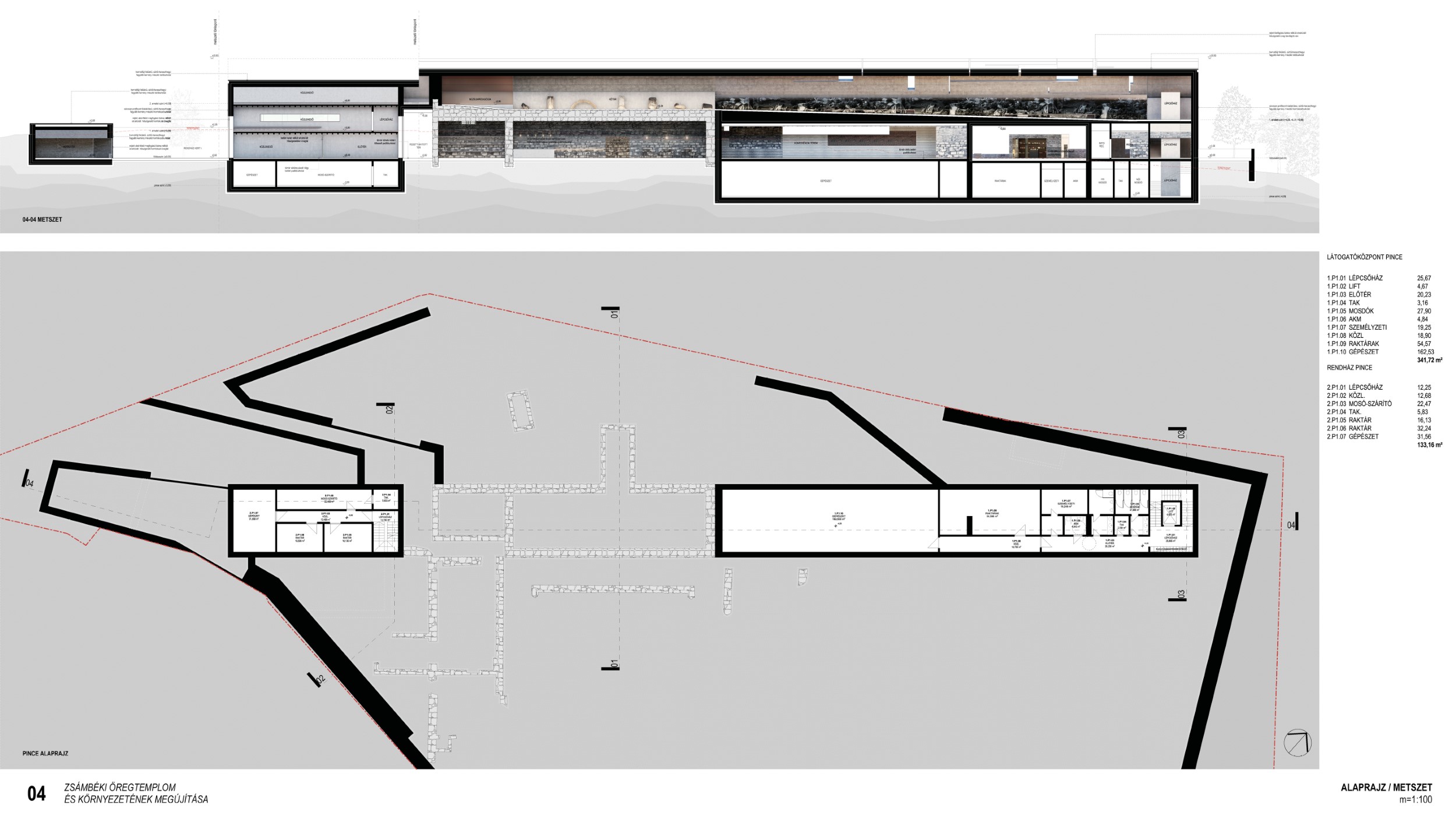
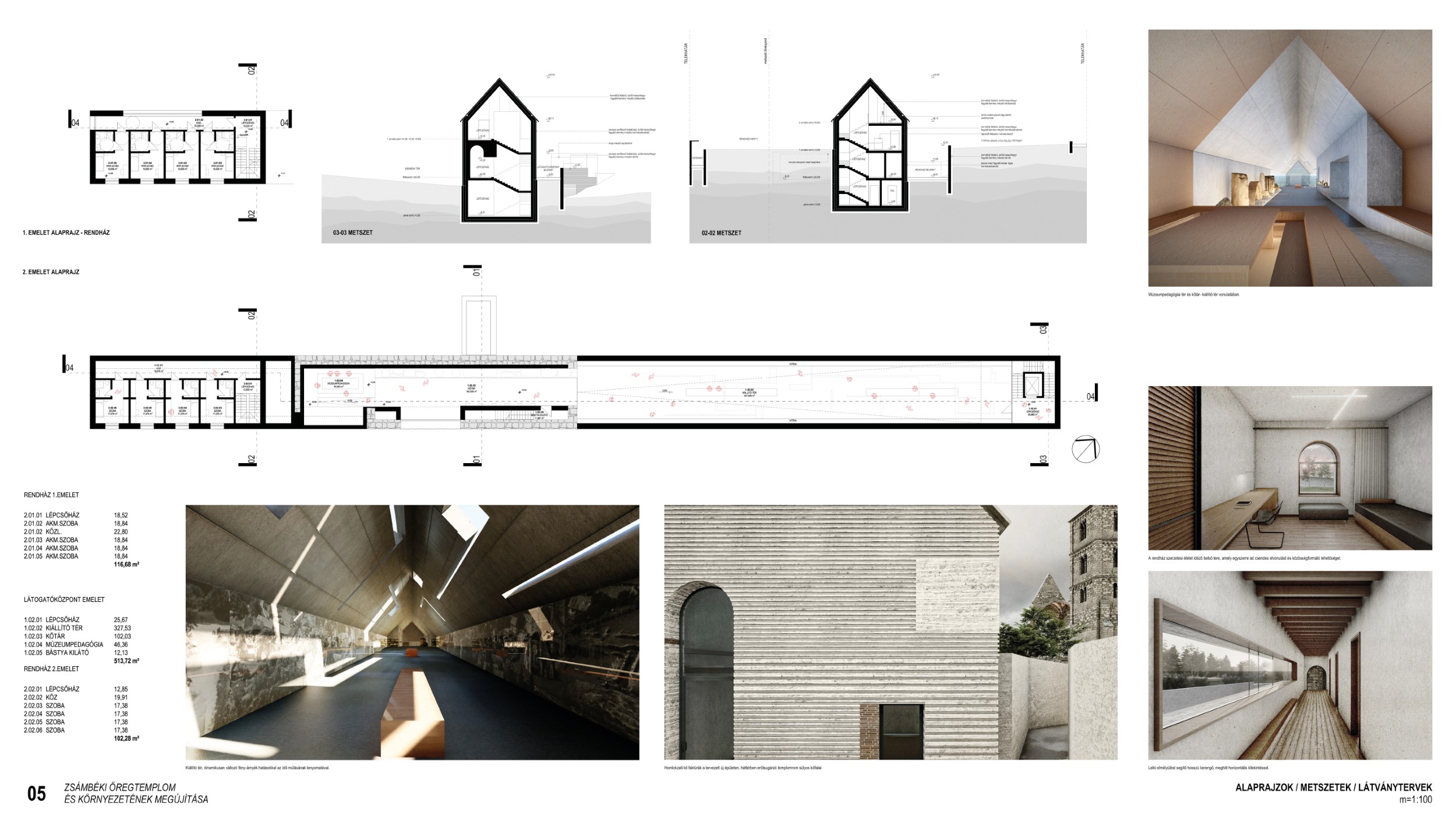
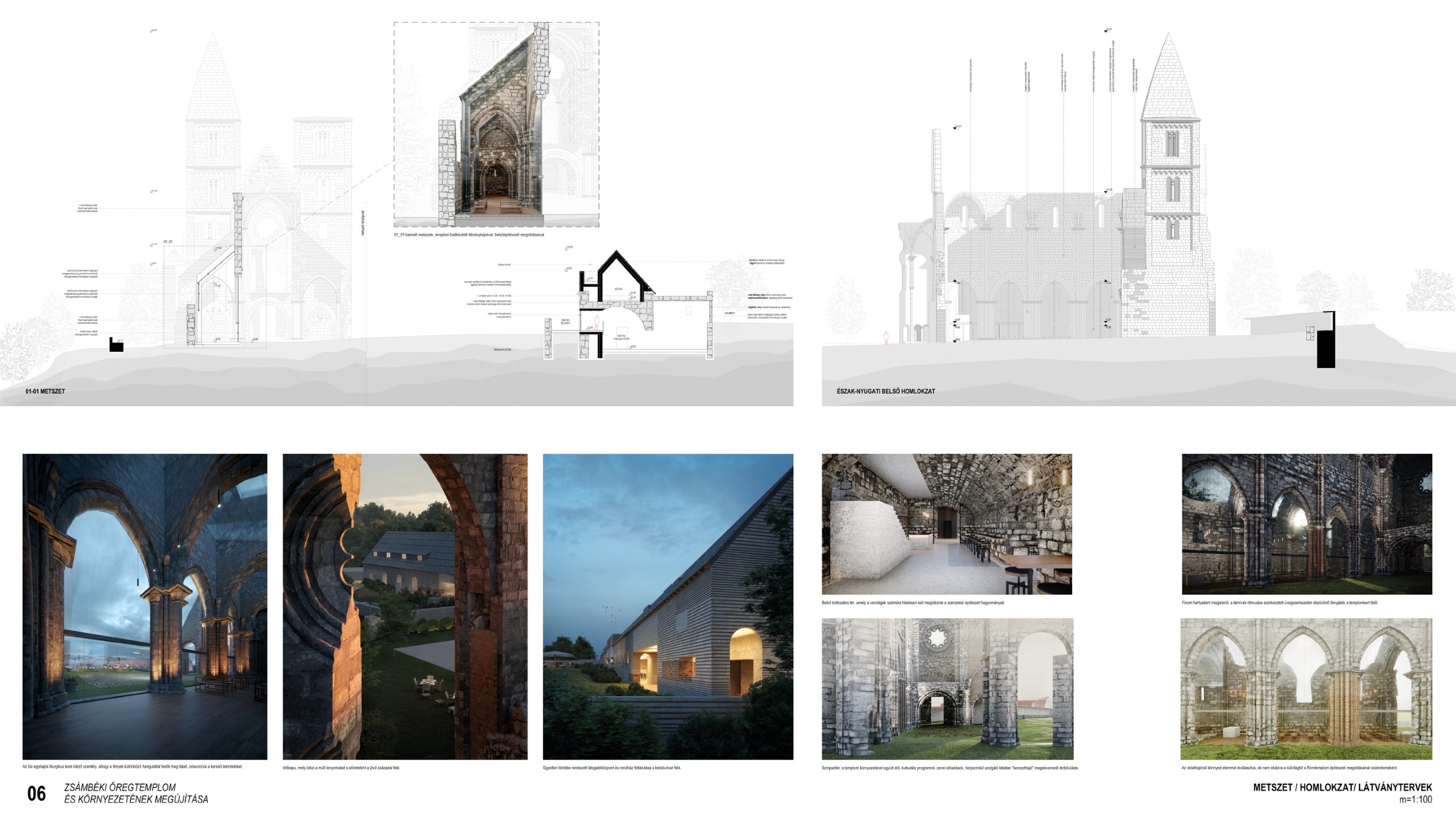
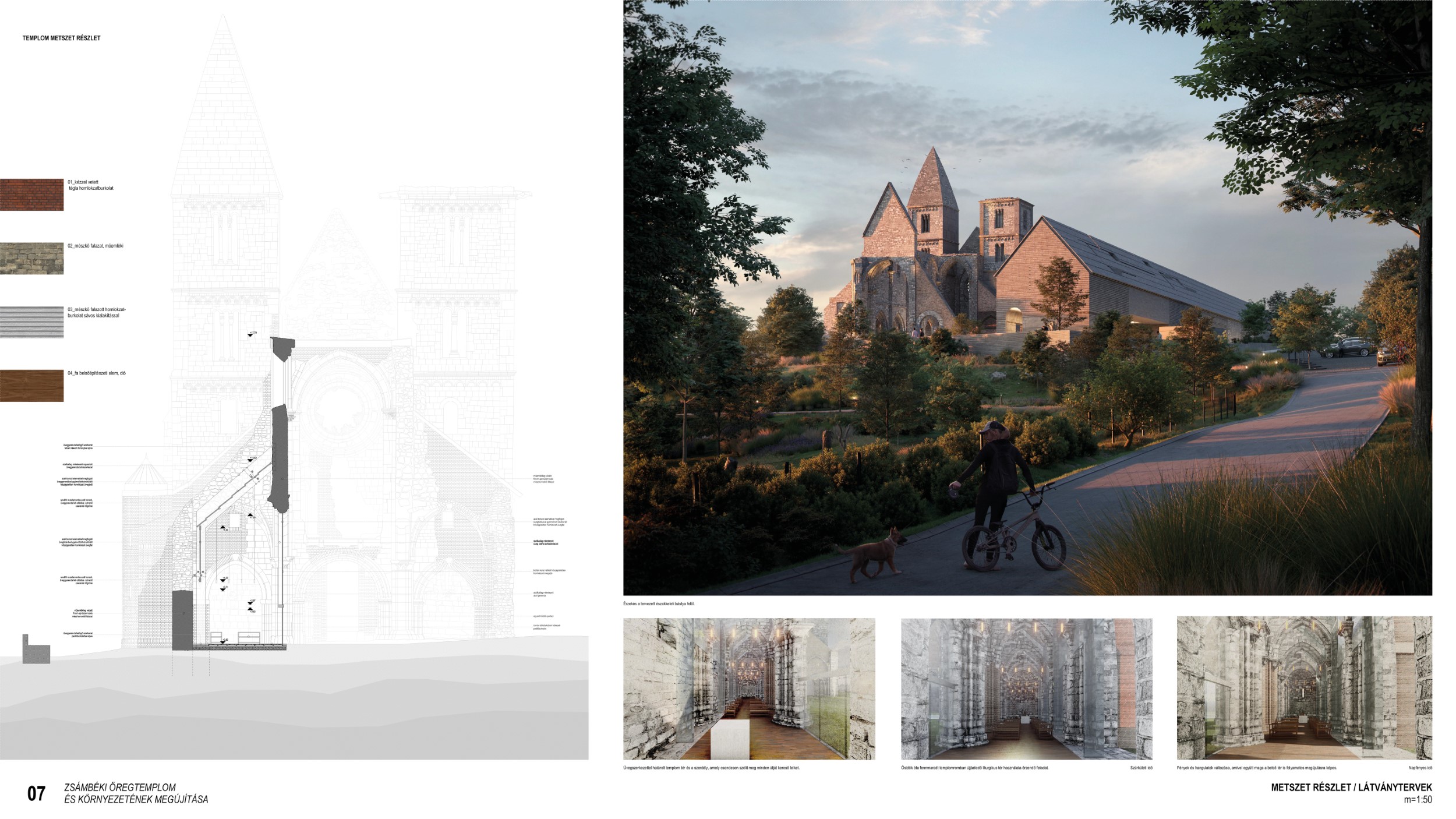
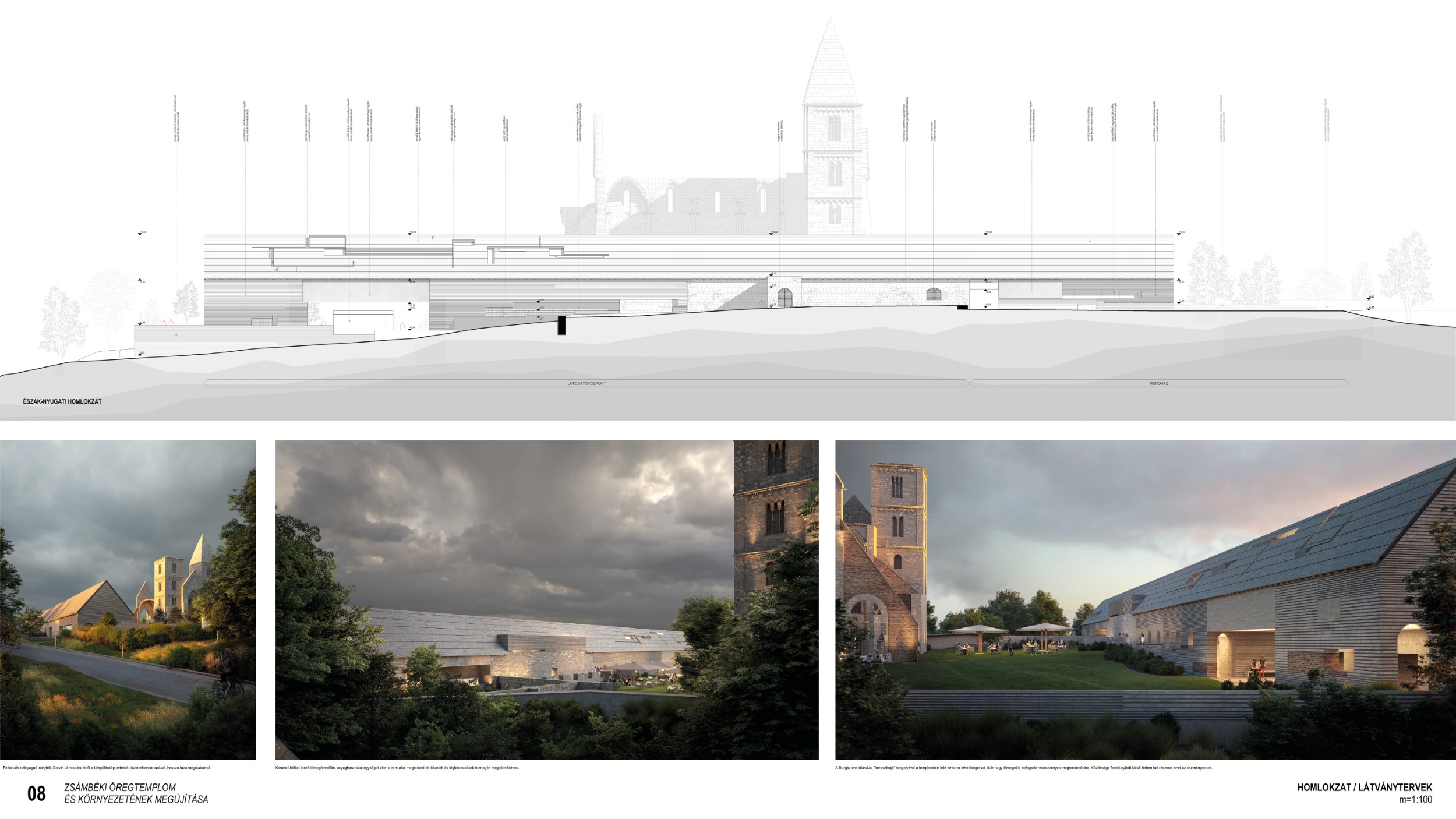
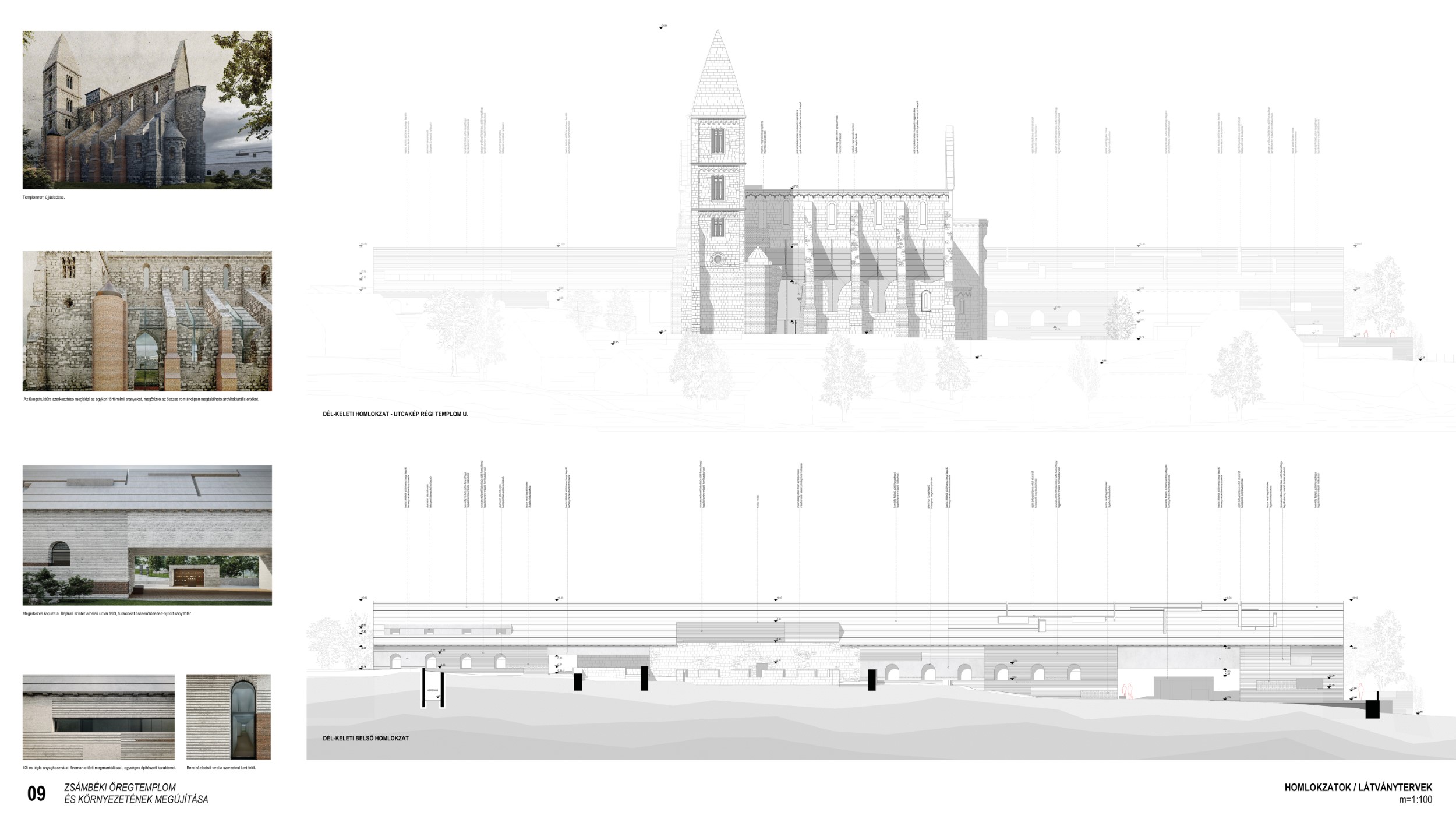
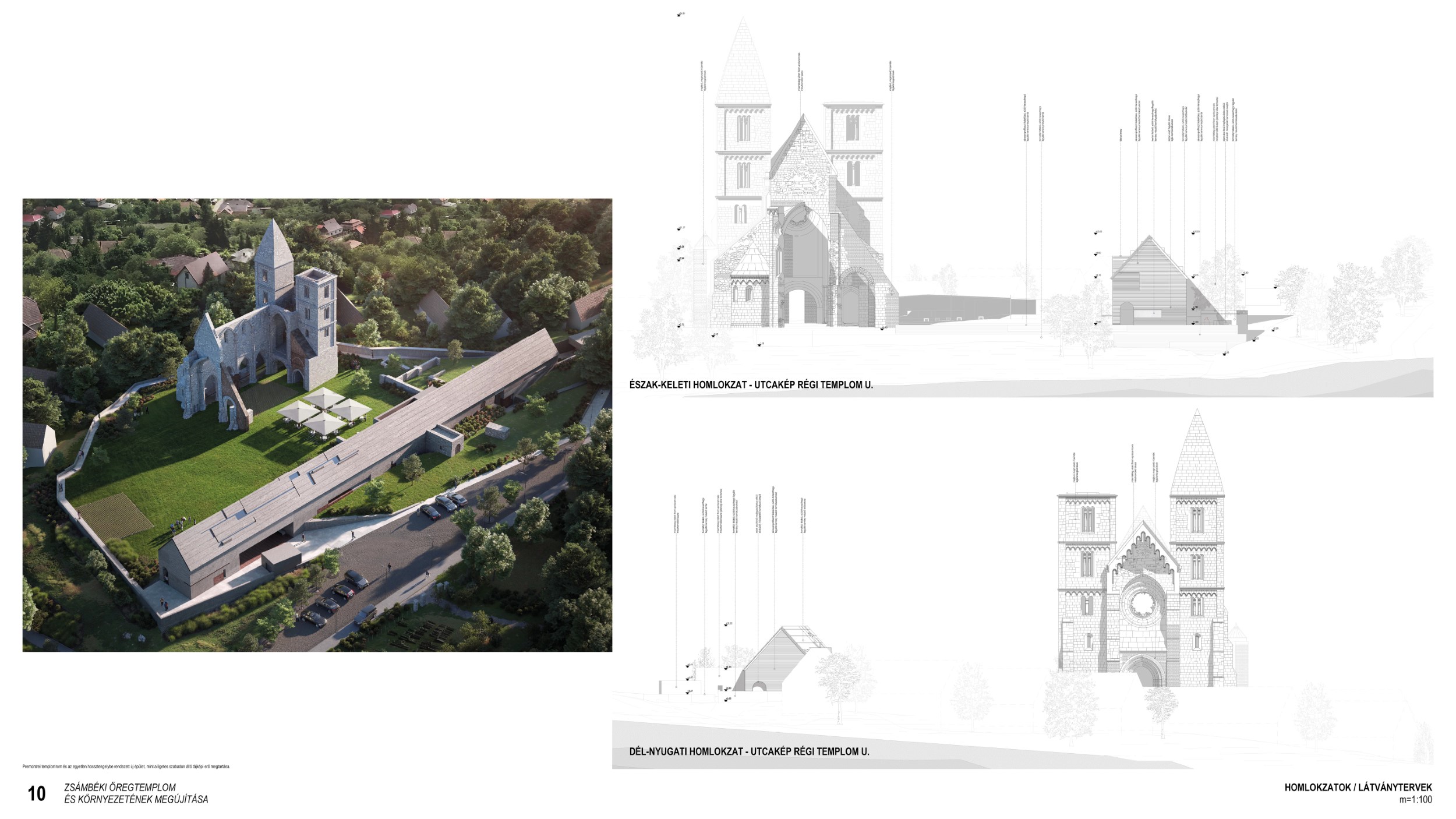
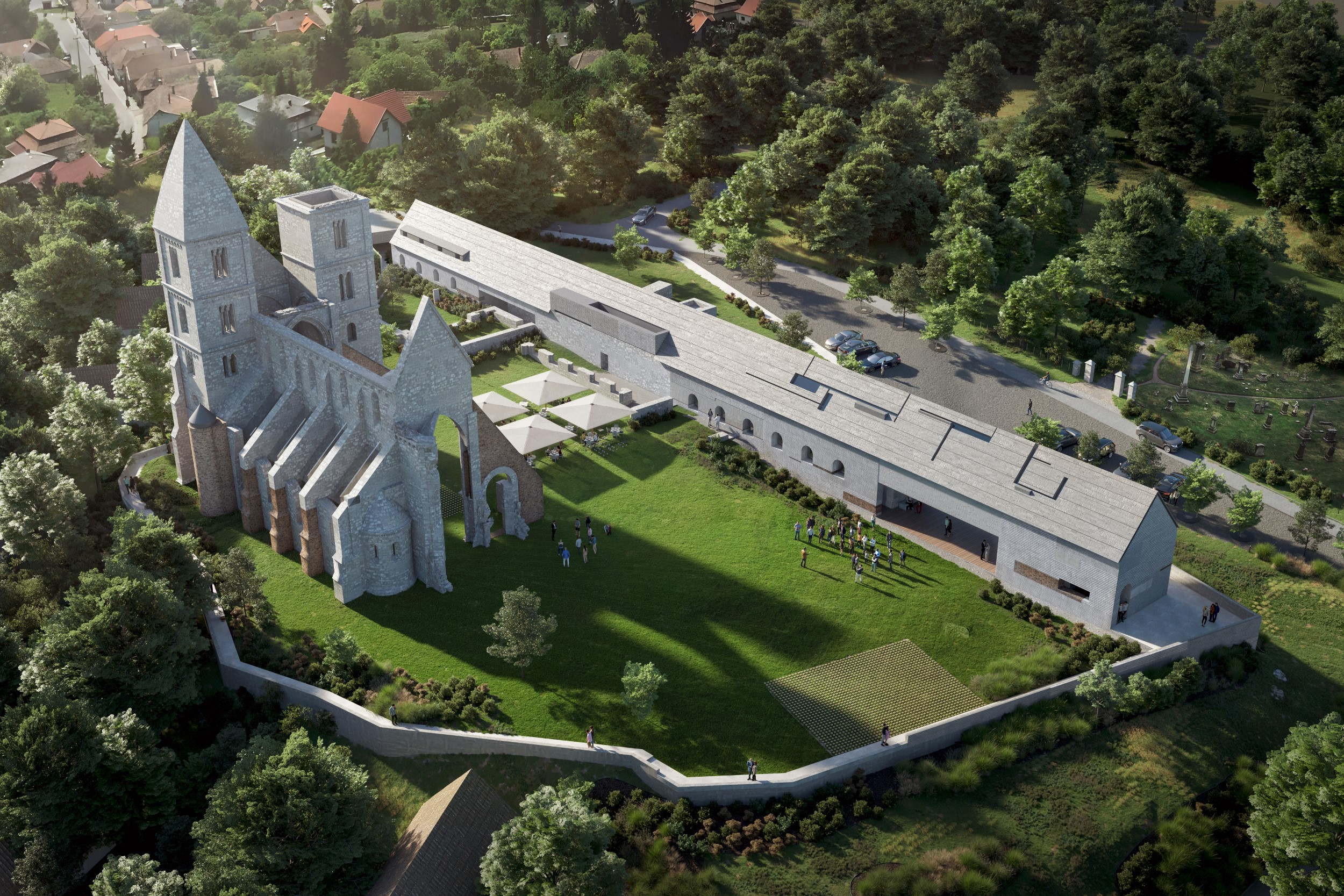
It wants to unlock the use of the liturgical space within the ruins, with the most minimal and least conspicuous structure possible, glass, so that the religious rite can be experienced again in the old building. And in the case of the monastery, the old and new functions arranged in a single block, such as the monks' residence, the exhibition space, the visitor center and the bistro, must form a powerful building body that wants to hold its place in terms of architecture next to the dignified, monumental Romanesque-Gothic church ruin. too. Our era, the XXI. intends to present the building complex in Zsámbék as an example of the new post-modernism approach and management practices of the 19th century. Thus, in terms of architecture, history and sacredness, continuation (and not separation) remains the guiding principle. The spatial reconstruction adapts to the combined spatial structure of the medieval church-monastery through architectural shaping, landscape design, and the use of materials.