Museum of Ethnography Night of Museums
Night of Museums
The Budapest Ethnographic Museum is one of Europe's major specialist museums, and thanks to its new building, which was handed over in 2022, it is one of the most modern ethnographic institutions in the world.
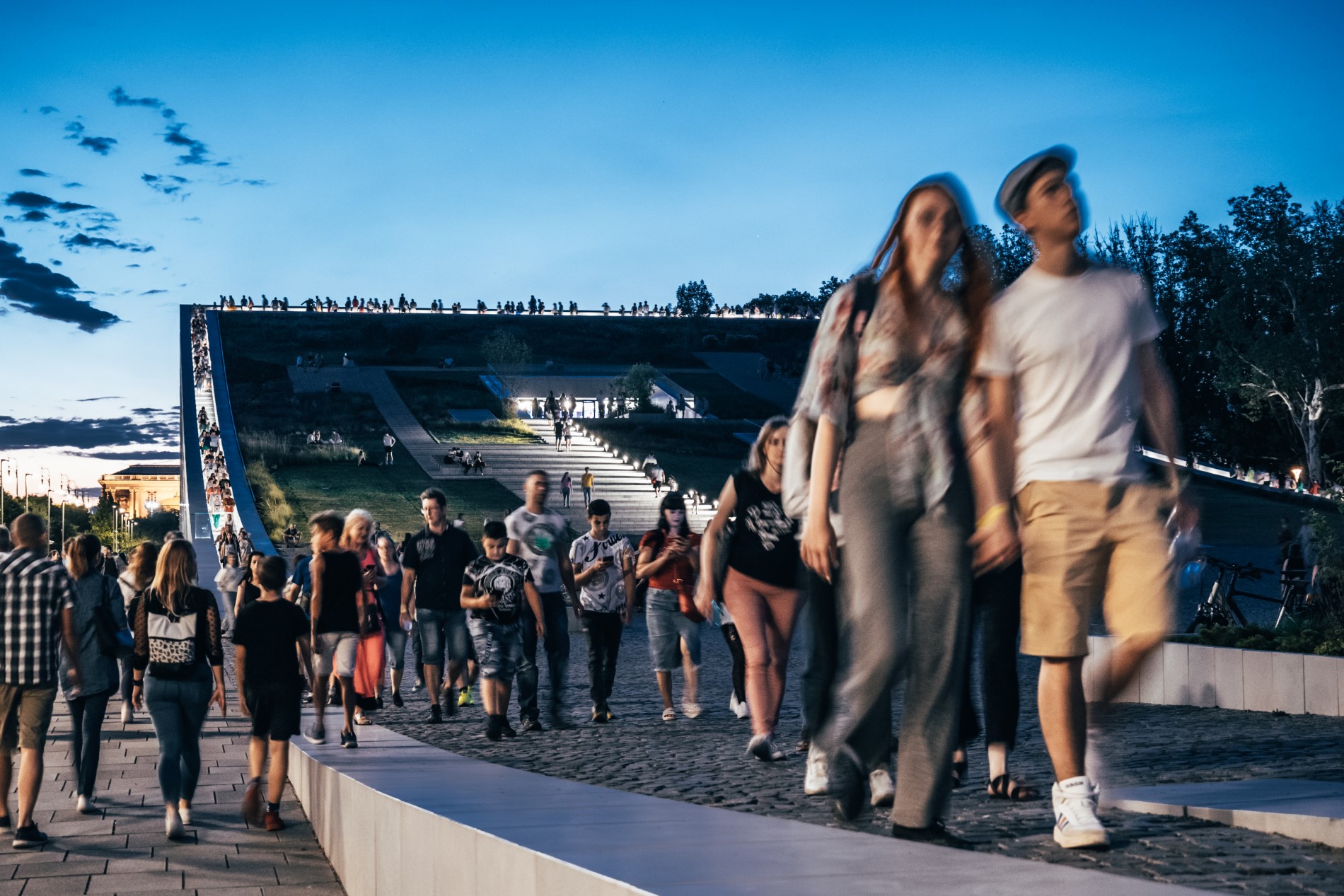
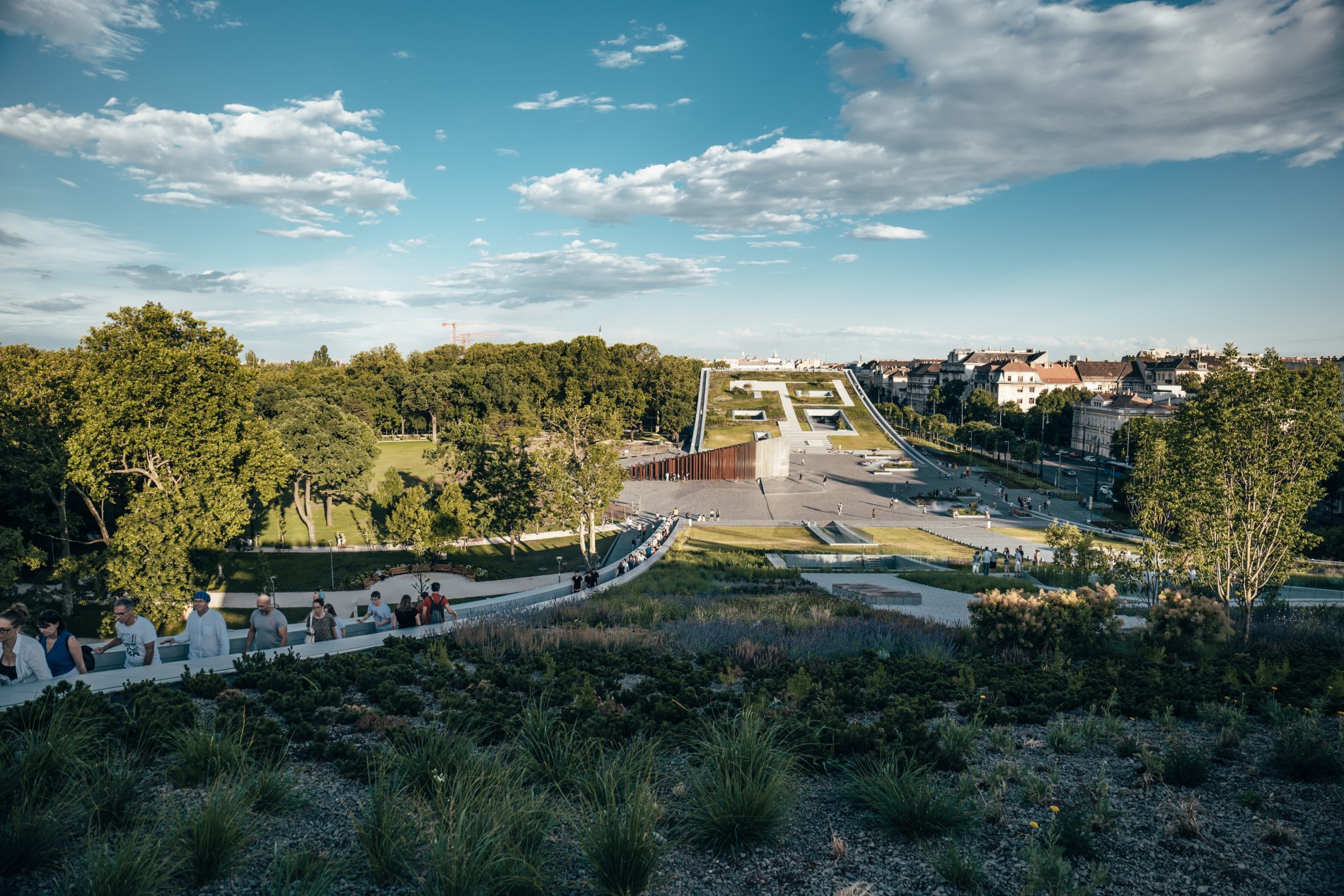
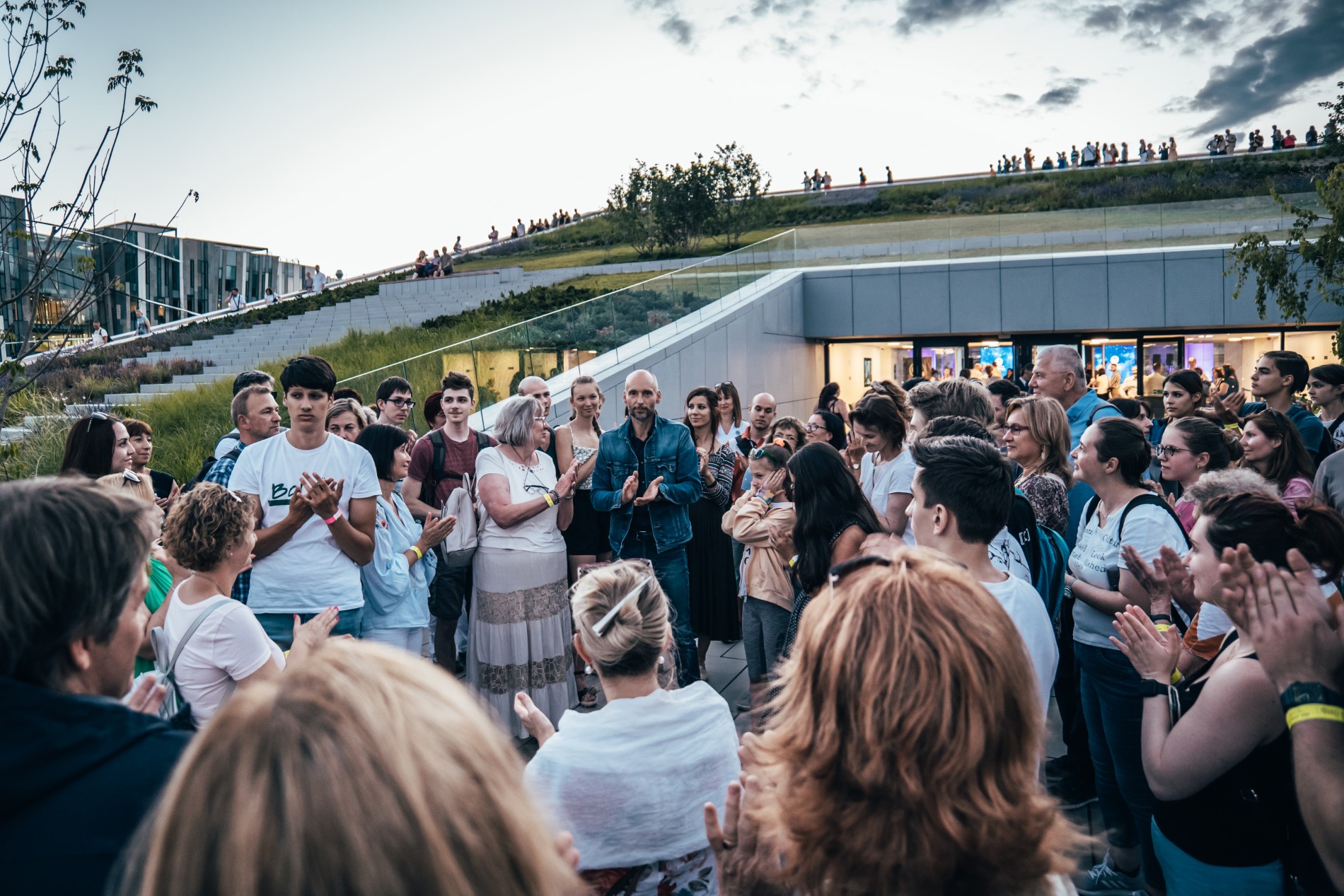
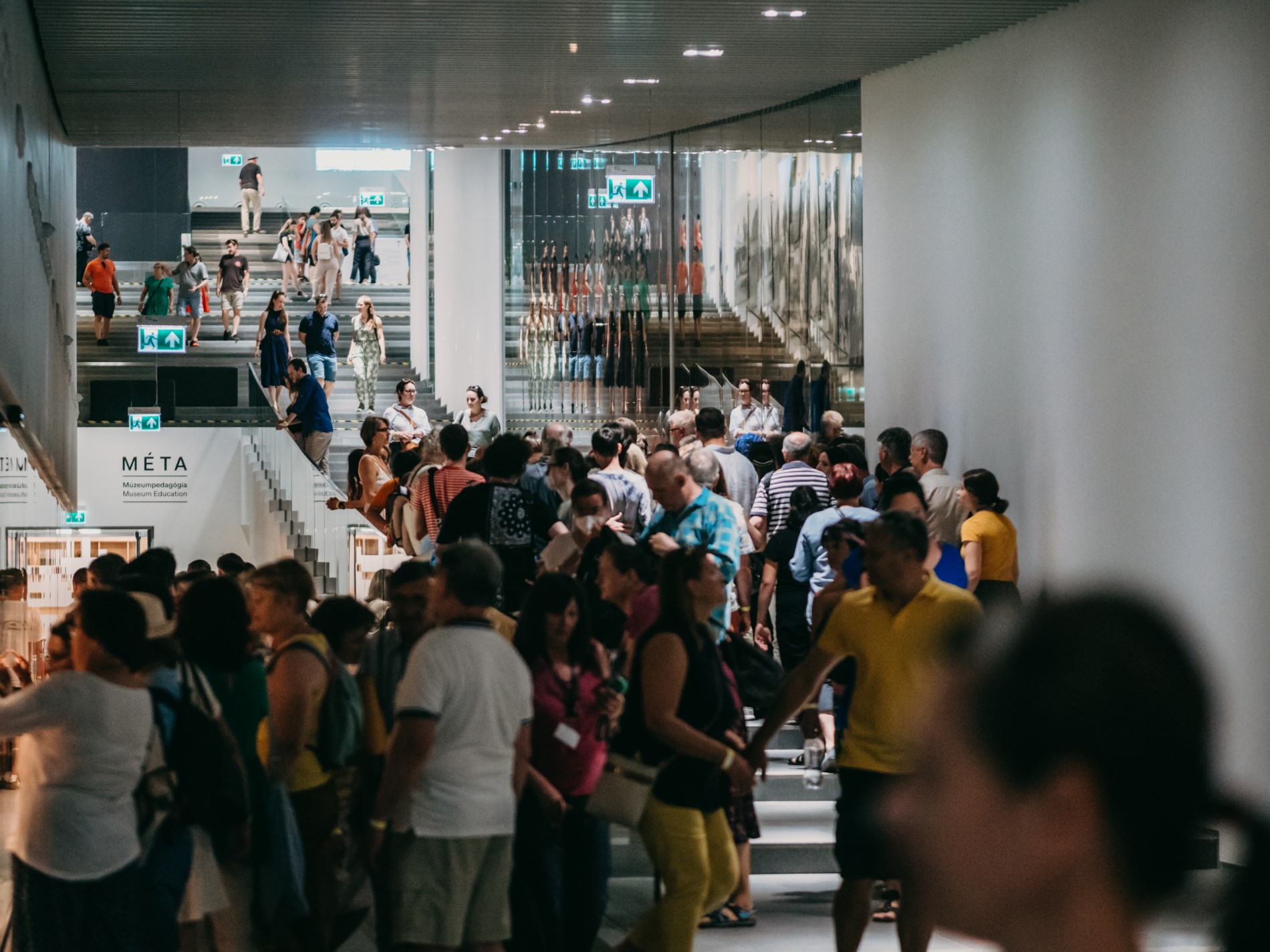
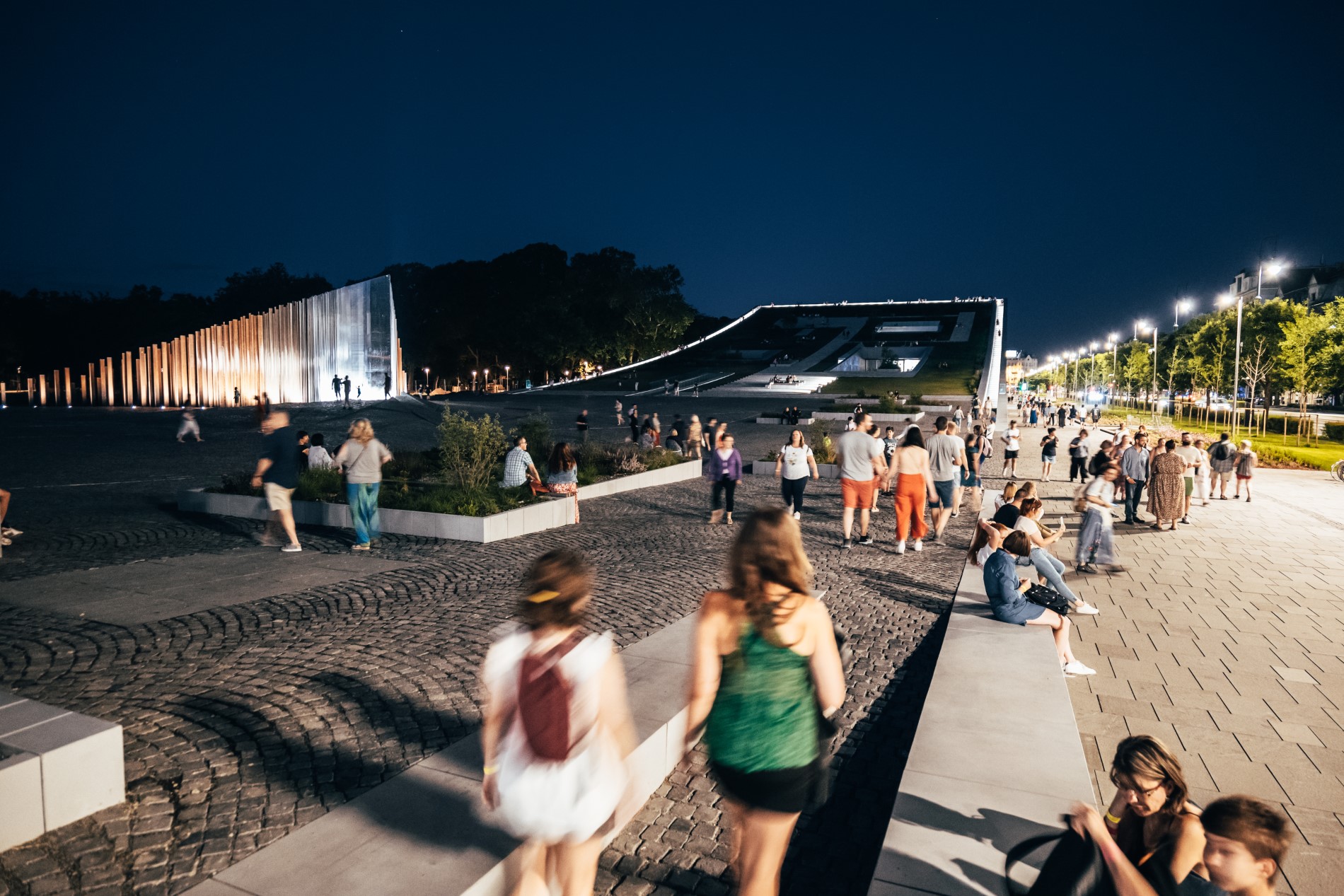
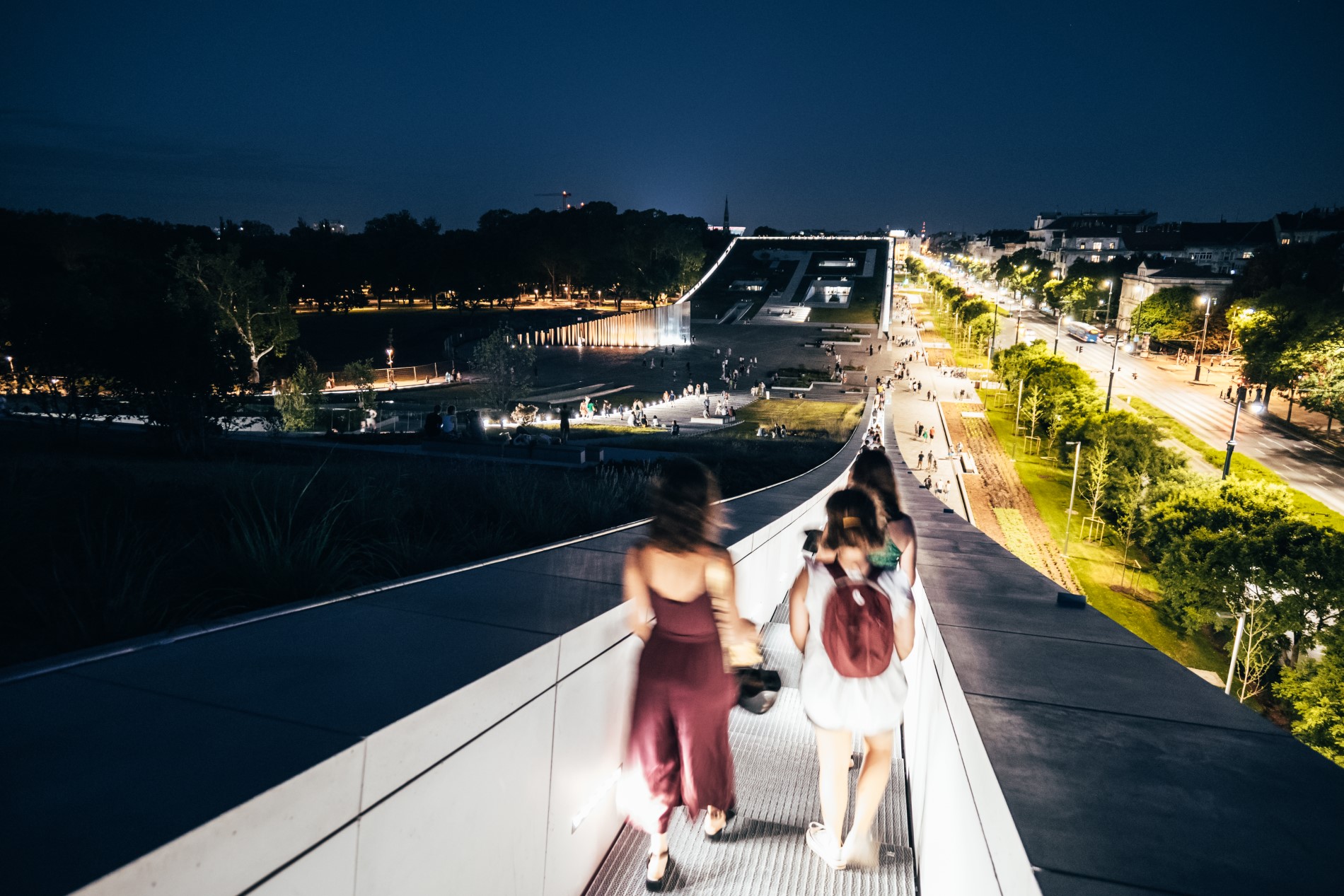
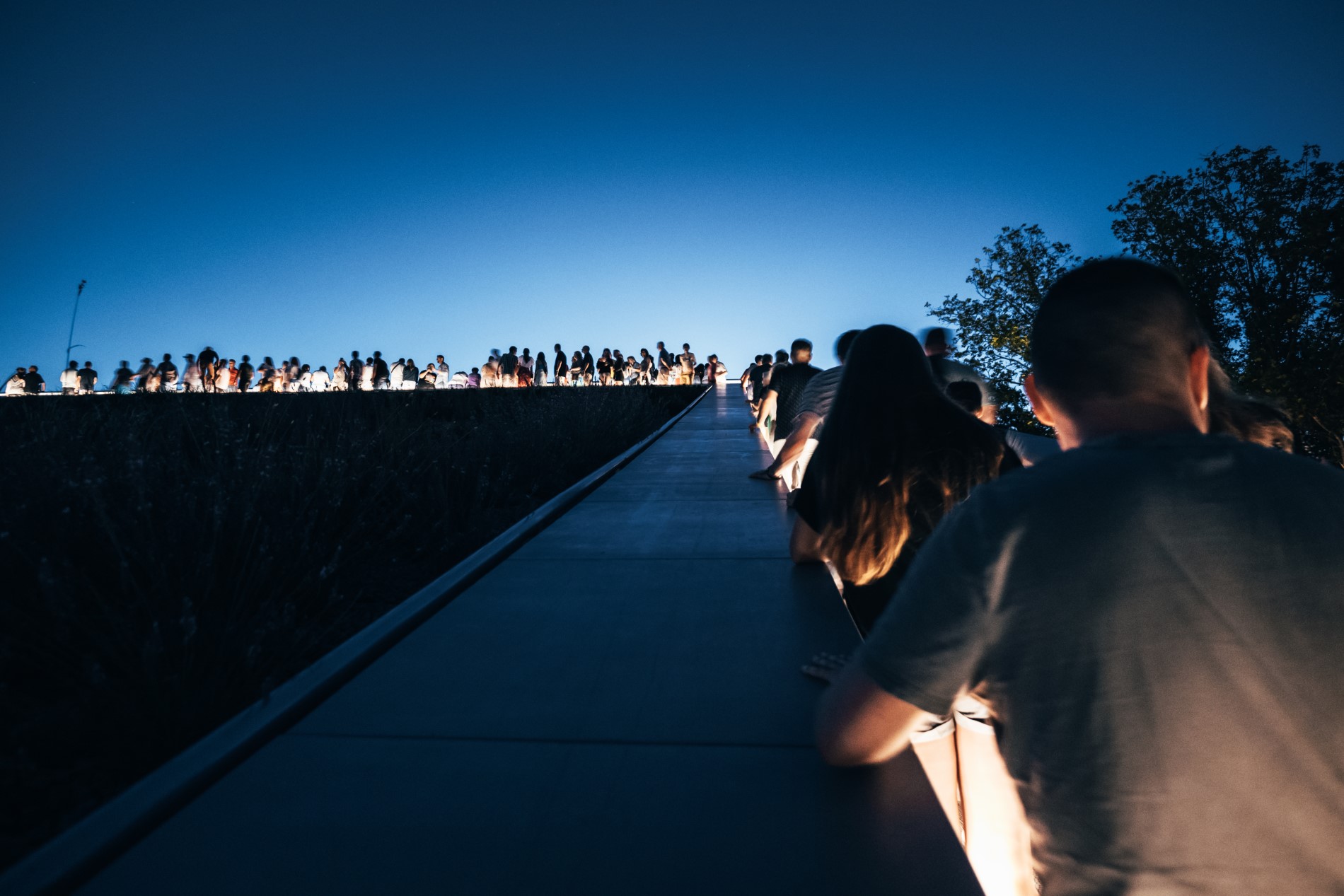
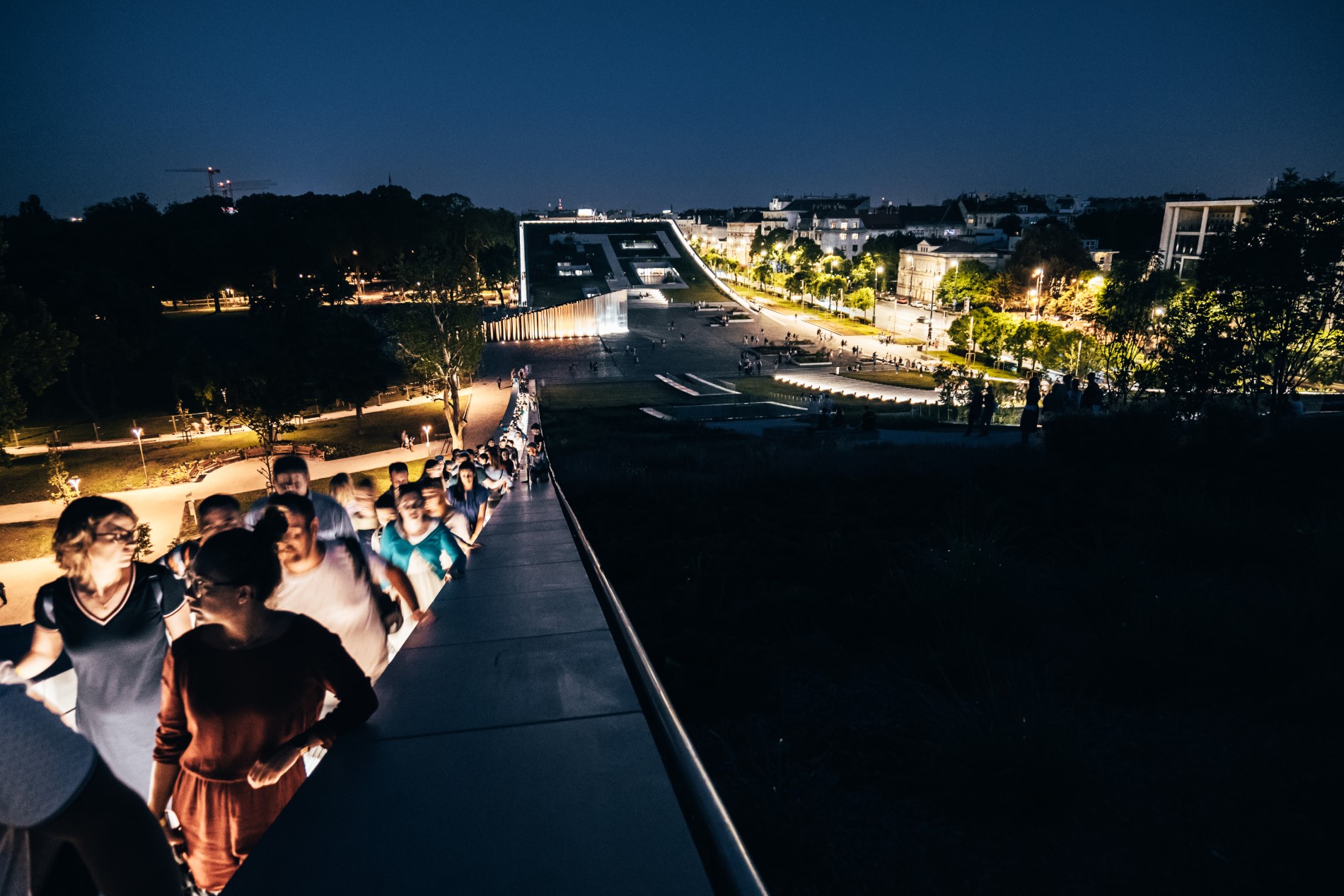
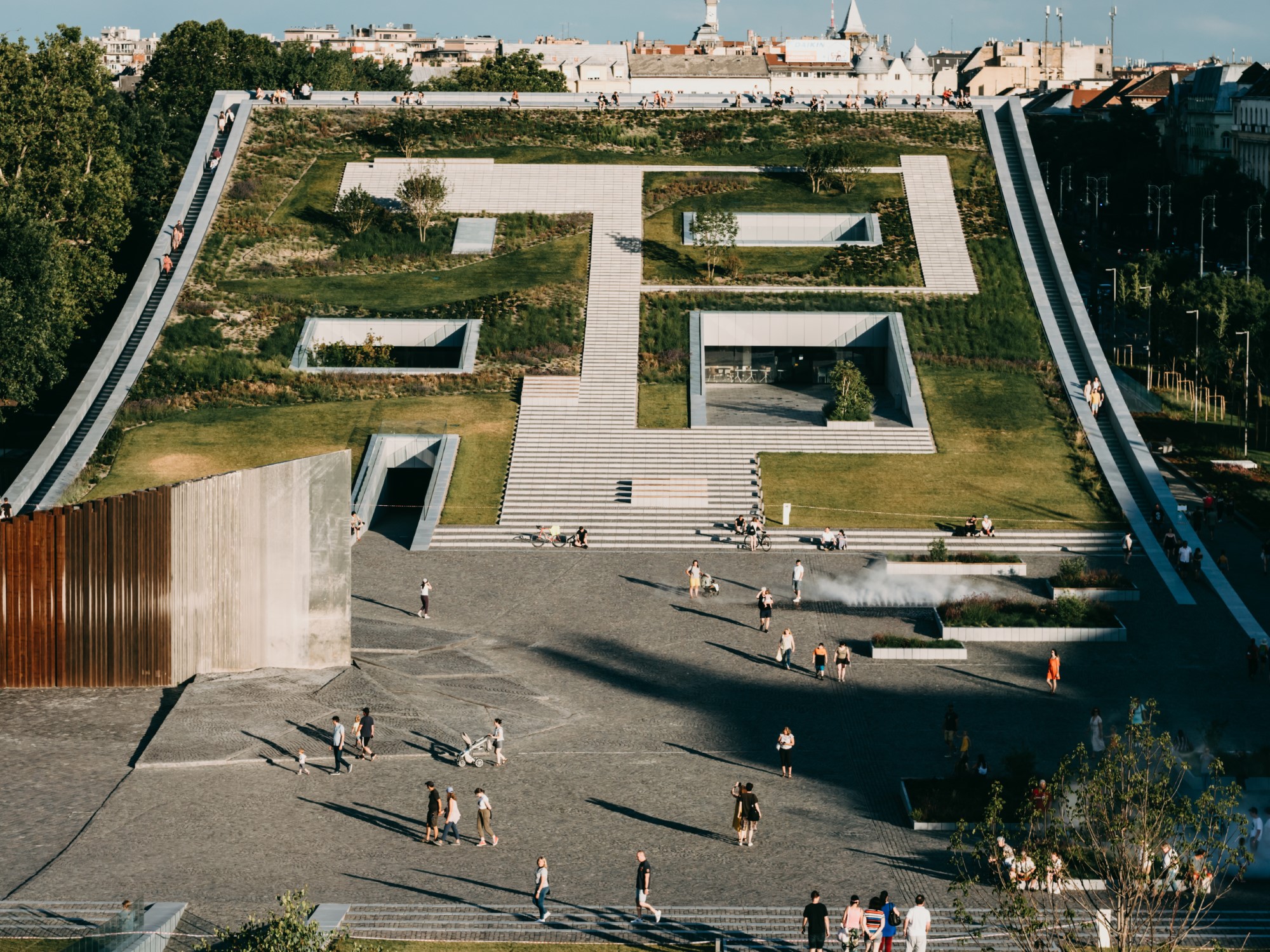
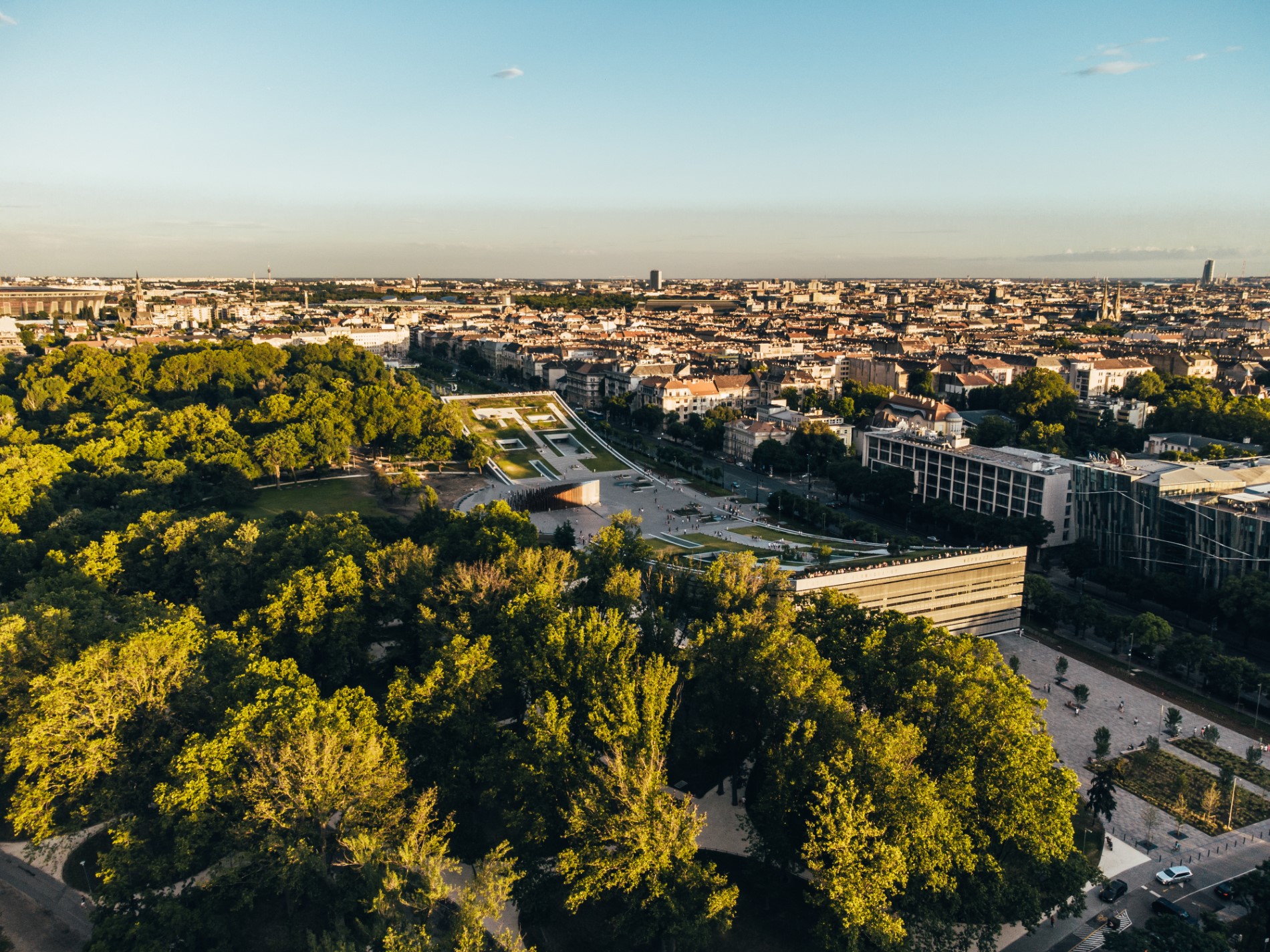
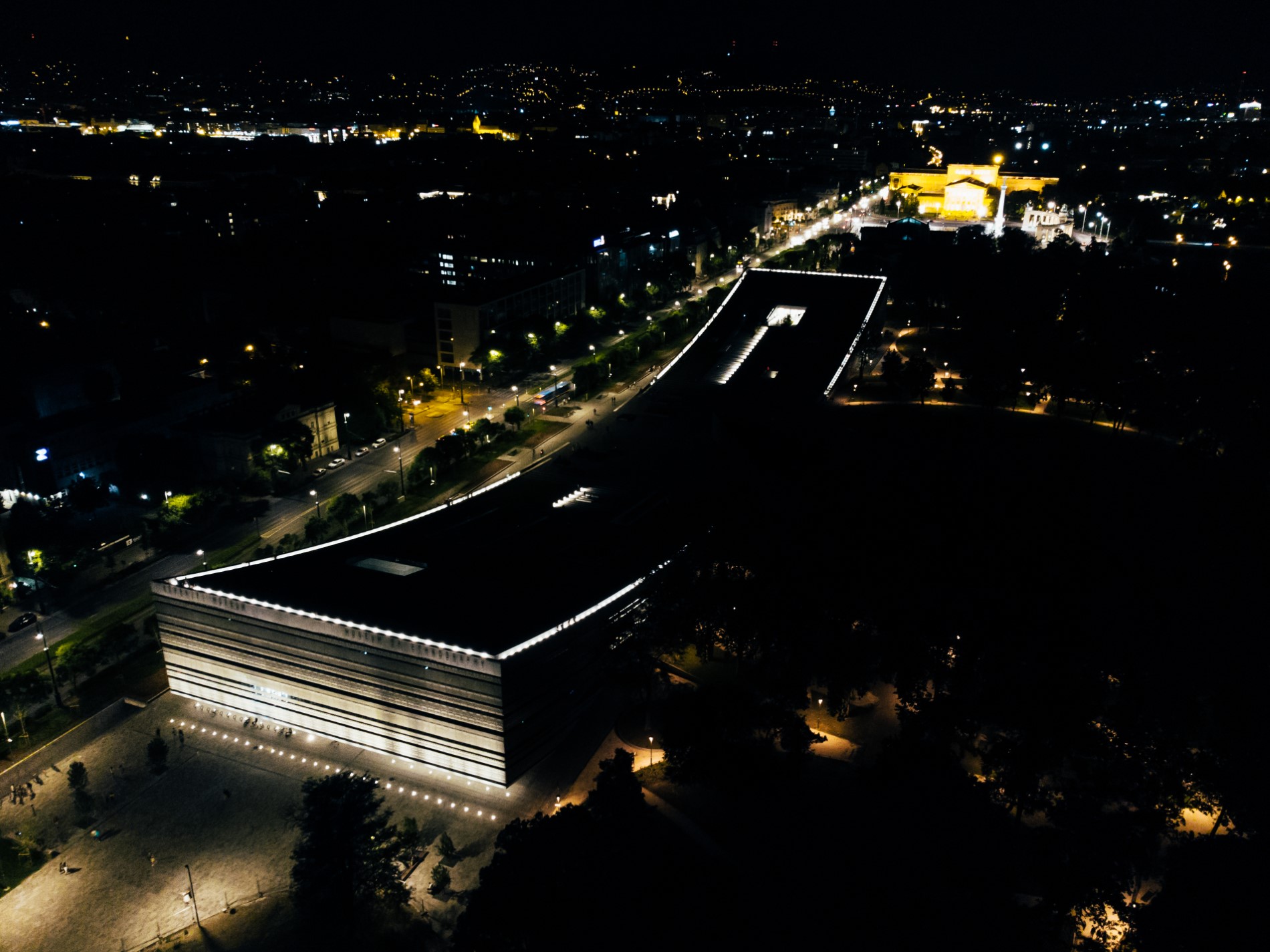
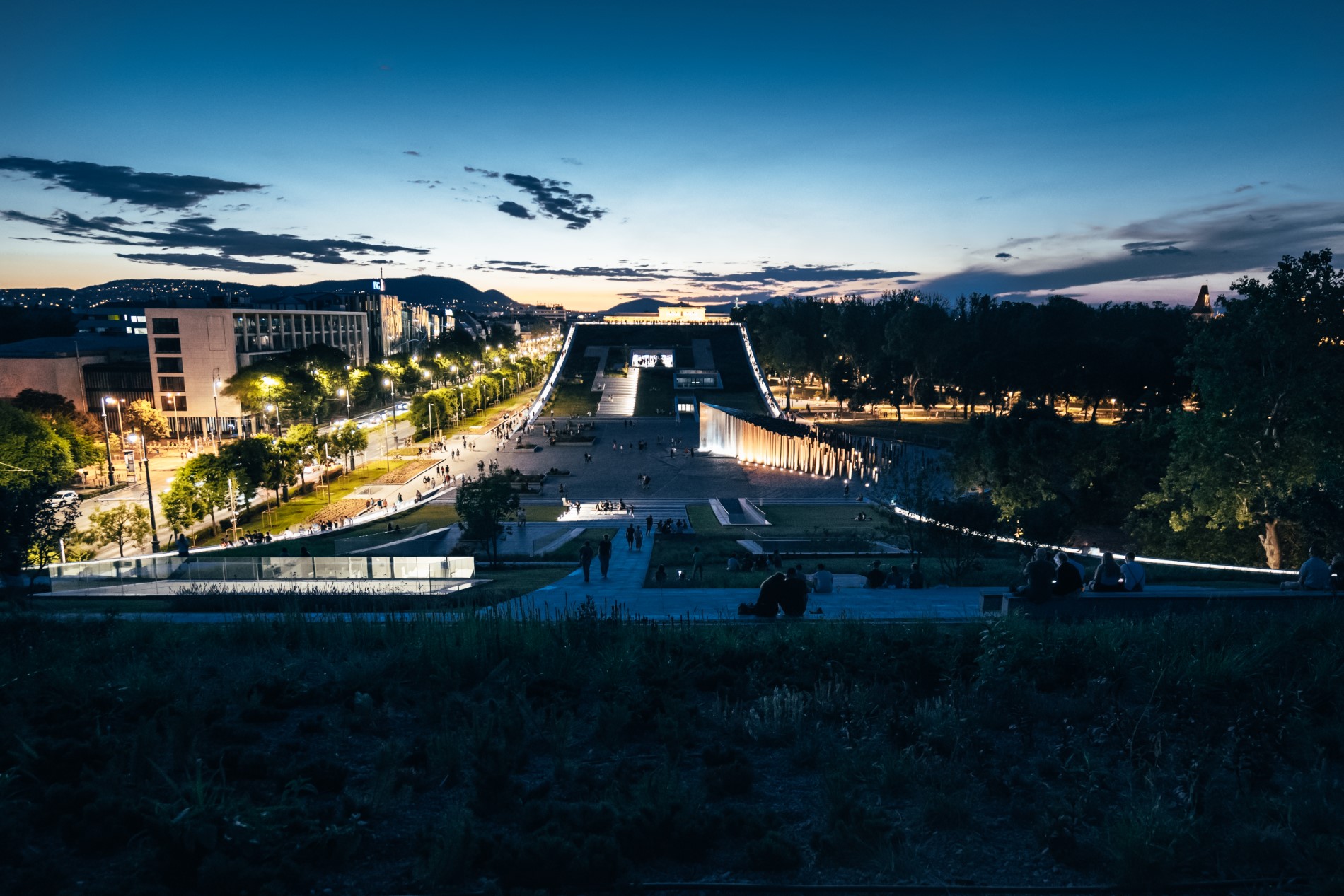
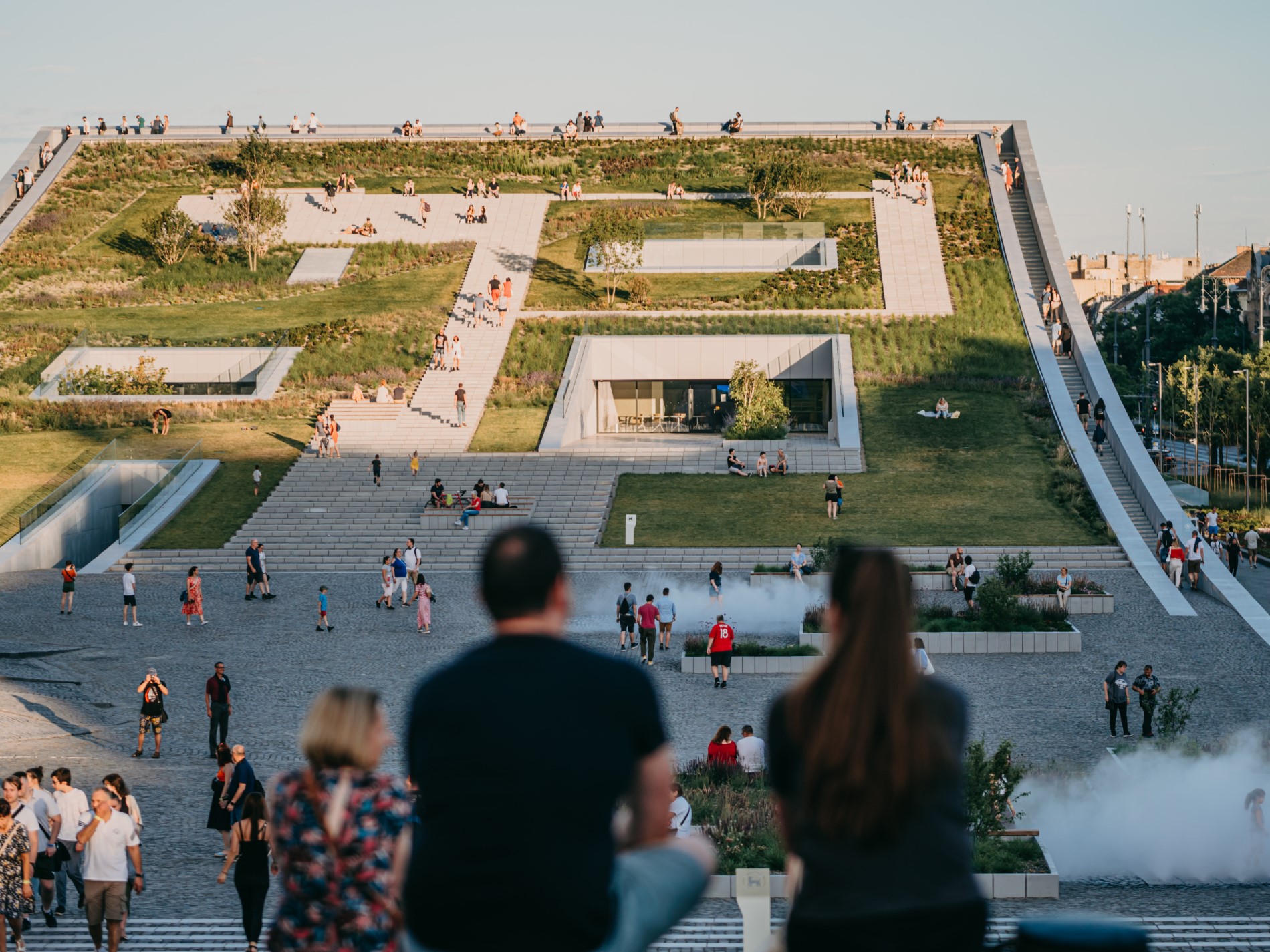
In addition to nearly 225,000 ethnographic objects, the collection includes unique photographs, manuscripts, photographs, folk music and film recordings. In addition to the priceless tangible memories of Hungarian folk culture, the largest ethnographic material of the Carpathian Basin and cultures outside Europe can be found here, but also significant at the Central European level. Through the cultural strategic role of the institution, as well as the competence tasks undertaken in the field of stock protection and digitization, it also affects the work of the museums of the Carpathian Basin. The new Ethnographic Museum was built at the gate of Városliget, one of Budapest's oldest parks, based on plans by Napur Architect. The two wings of the building connecting National Monument 56 rise to the height of the foliage of the surrounding trees along a circular arc with a diameter of 1 kilometer. At the same time, this "sacred crossing" - as a green reflection of Hősök tere - pays tribute to unsung heroes, while, due to its function as a museum, it embraces and holds together the national and universal collection of artefacts. According to the designers' intention, the Museum of Ethnography wants to be a memorable point on the Pest side of the capital, which presents the visitor with a panorama of the Buda mountains and opens a new perspective towards Hősök tere and the greenery of the park. The dome of the Parliament can also be seen from the top of its eastern wing. The green roof garden forming an artificial valley is a space for relaxation and reflection, an architecture of reconciliation. The special element of the intricate exhibition space system, which is located underground and is nearly 7,000 square meters long and hosts temporary and permanent exhibitions, is the staircase that runs the entire length of the building, along which stretches the colorful display of Kerámiatér. The crown of the building is the glass facade, around which runs a grid of almost half a million pixels, based on ethnographic motifs selected from the museum's Hungarian and international collections, with a raster structure. The pixels were inserted by a special robot into the more than 2,000 laser-cut aluminum grids, and the small cubes were used to form shapes born as a contemporary reinterpretation of 20 Hungarian and 20 international (including Venezuelan, Congolese, Cameroonian, Mongolian, Chinese and Melanesian) ethnographic motifs. As a fabric of Hungarian and universal culture, the web of the ornamental facade not only embraces and dresses the building, but also summarizes the ethos of the collections and the work carried out in the Museum of Ethnography, which goes back 150 years and is also decisive in contemporary culture.