Magyar Építészeti Központ és Múzeum
_ Priority purchase
Idea
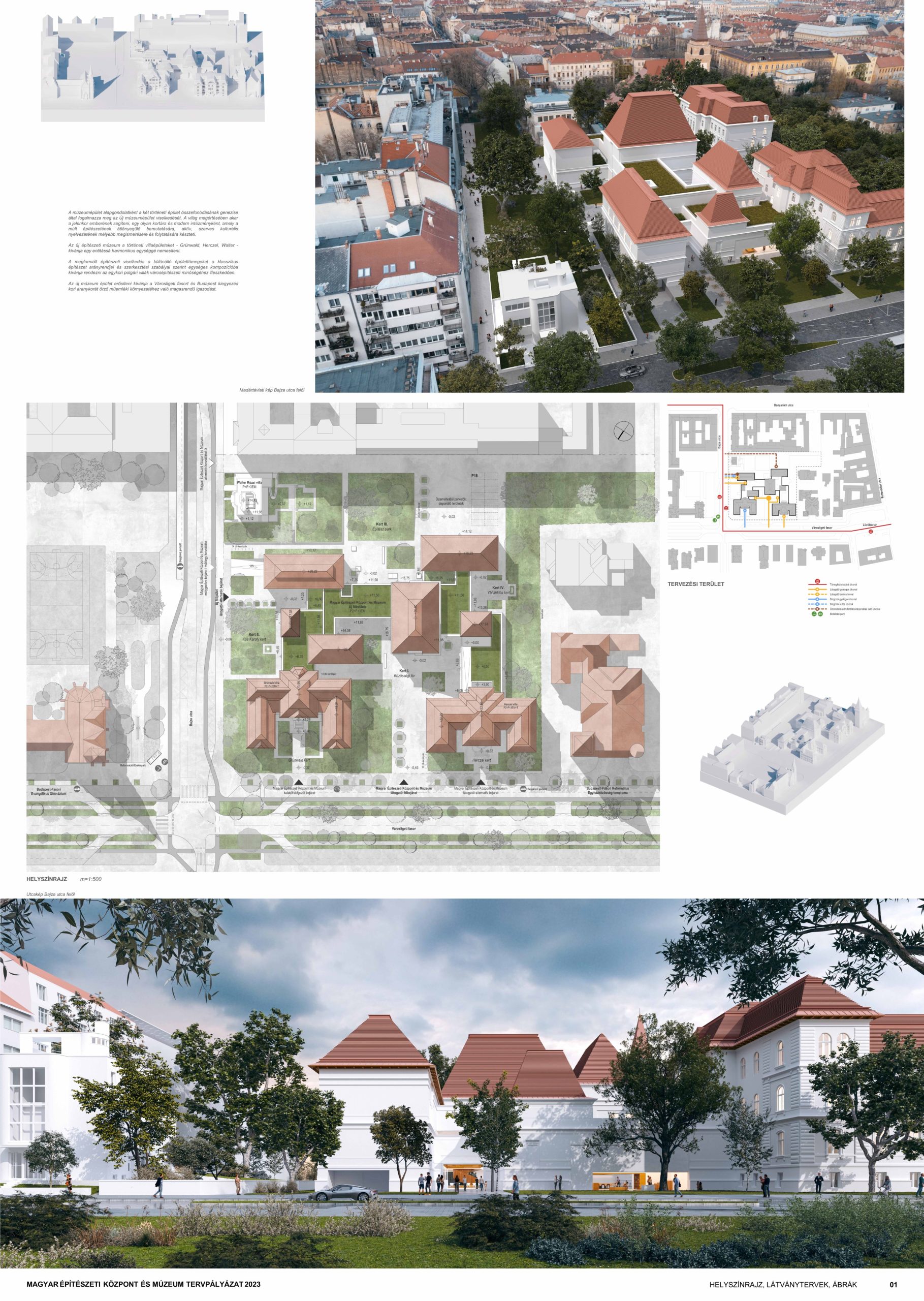
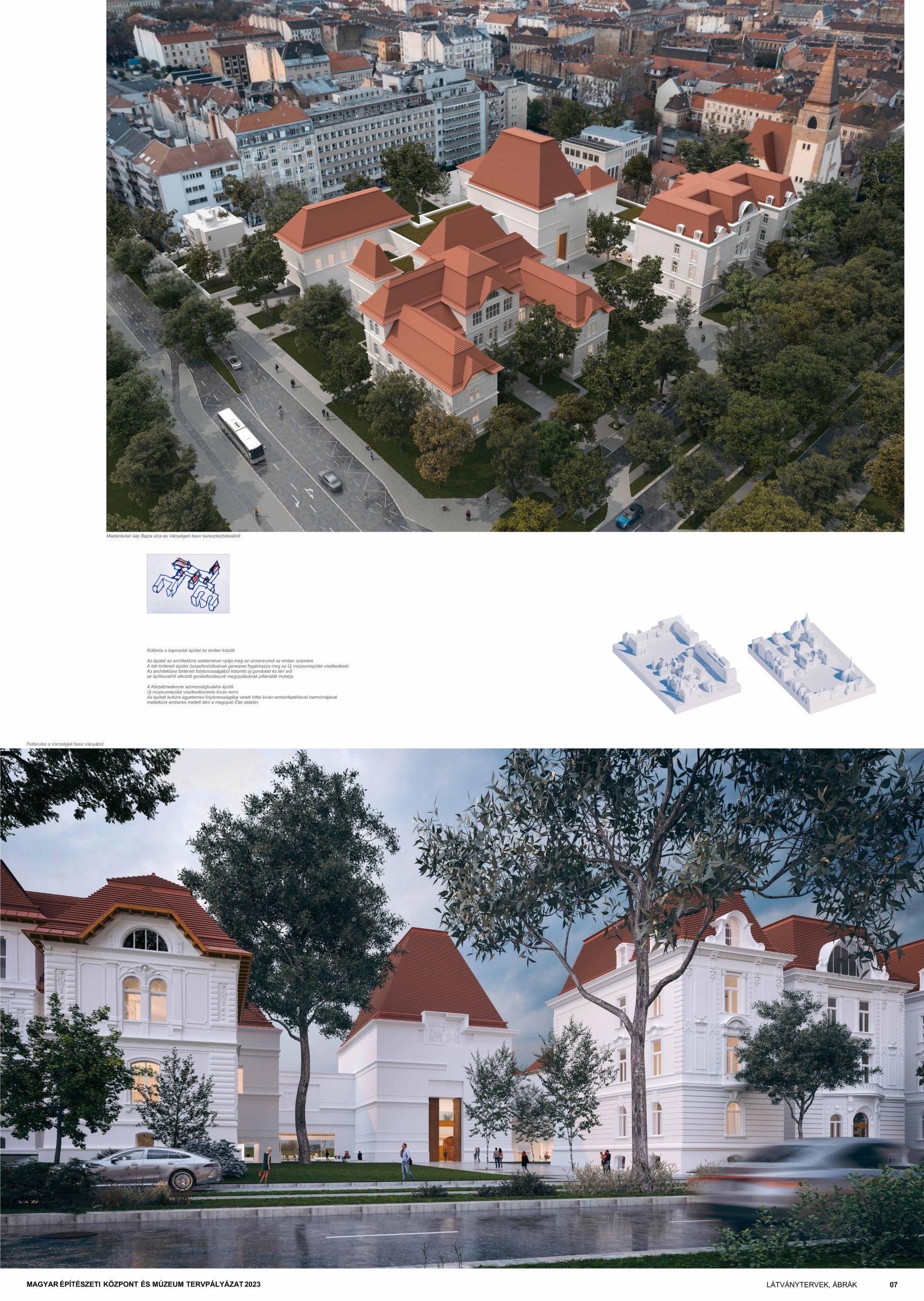
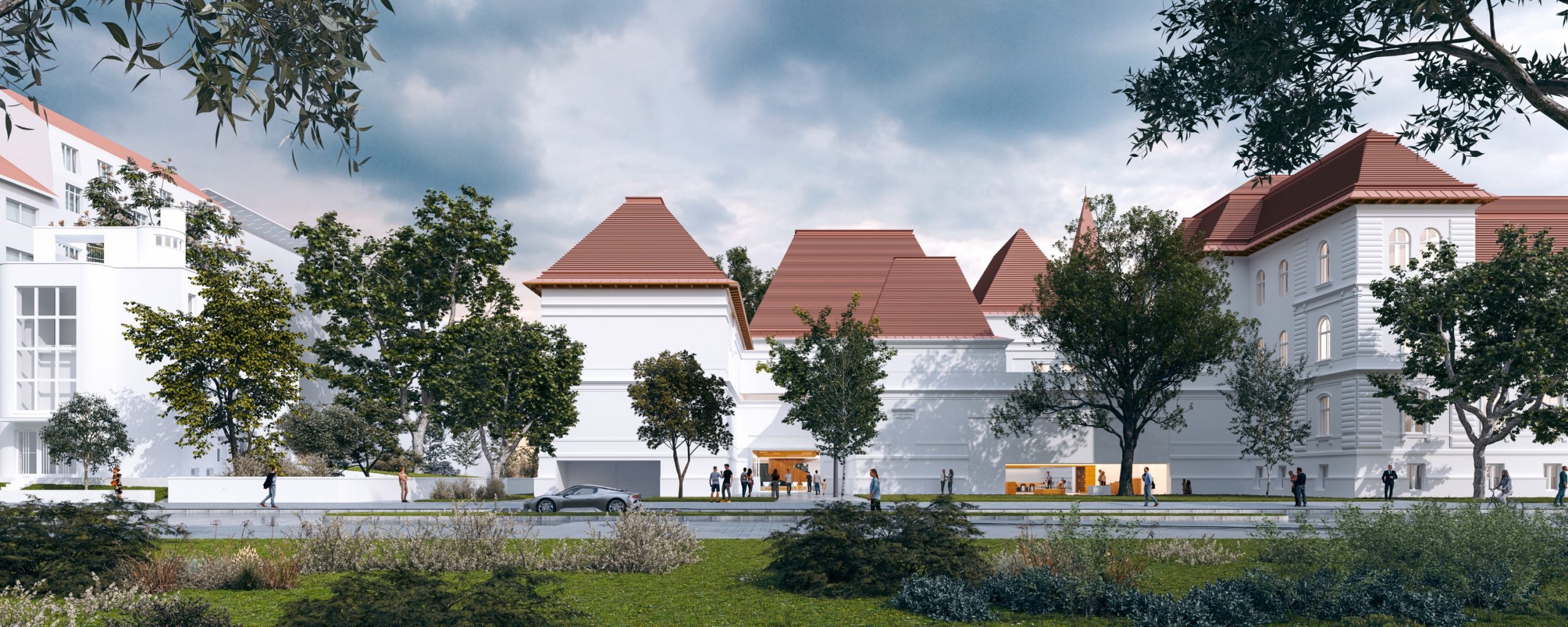
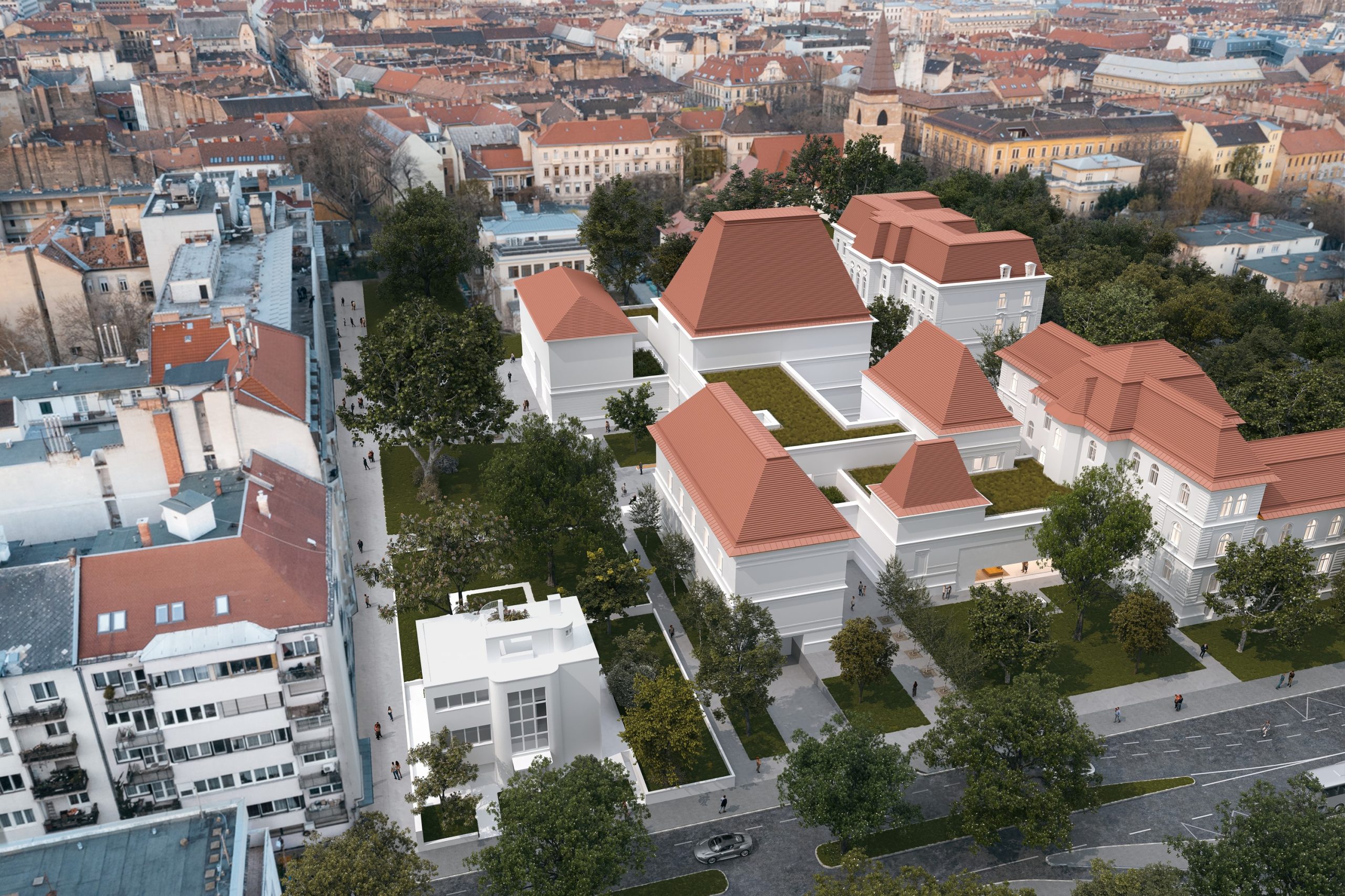
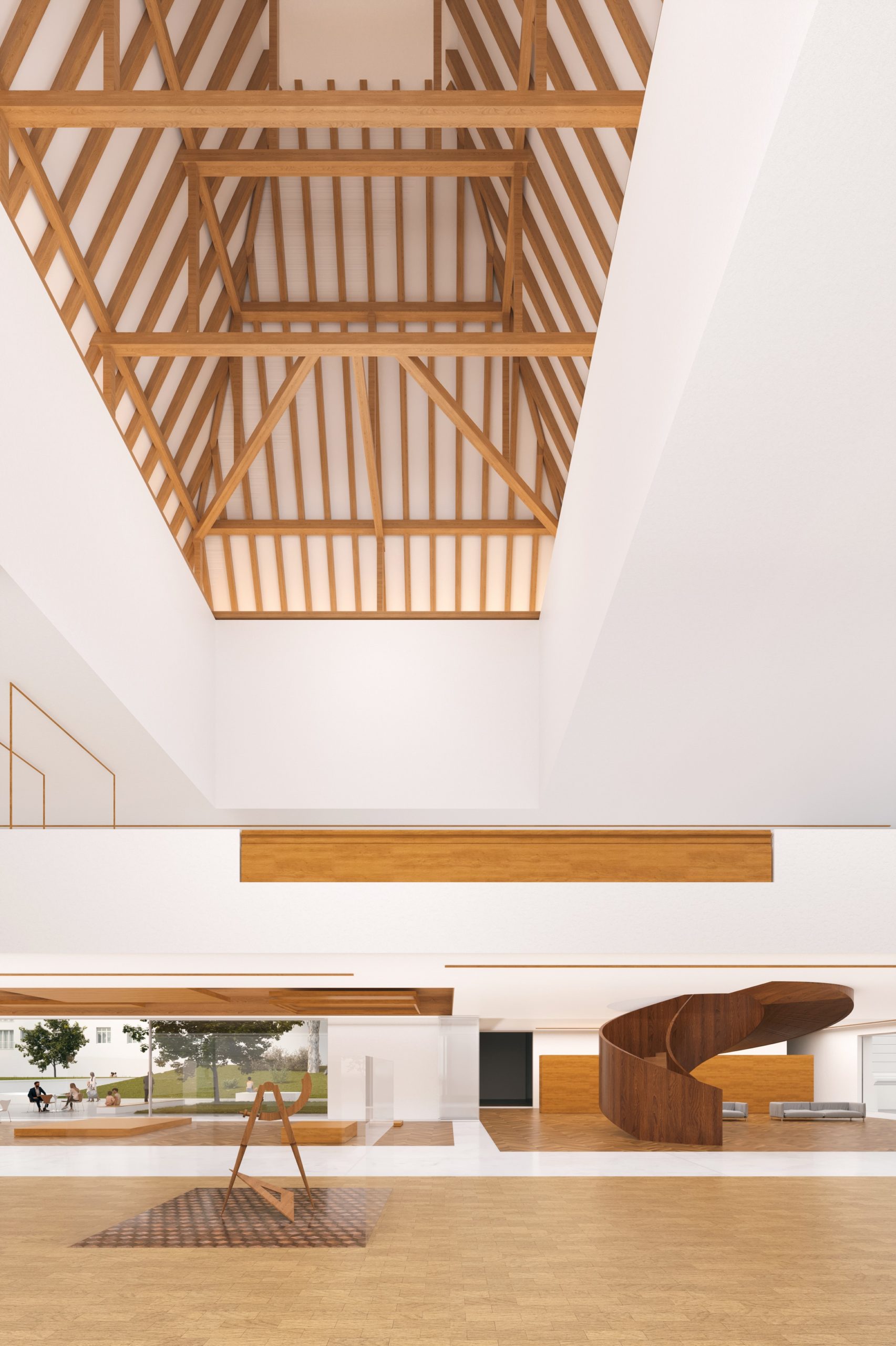
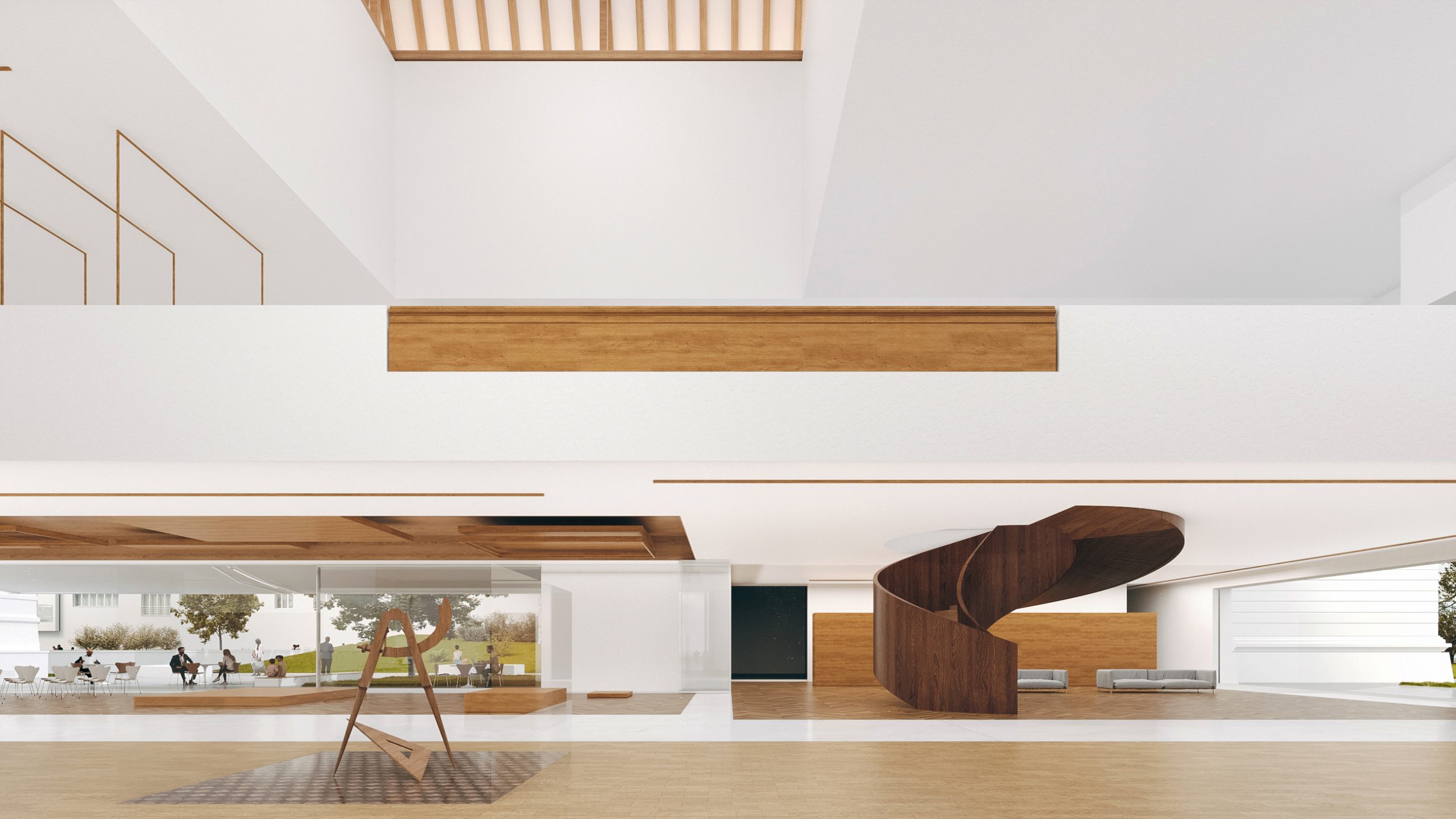
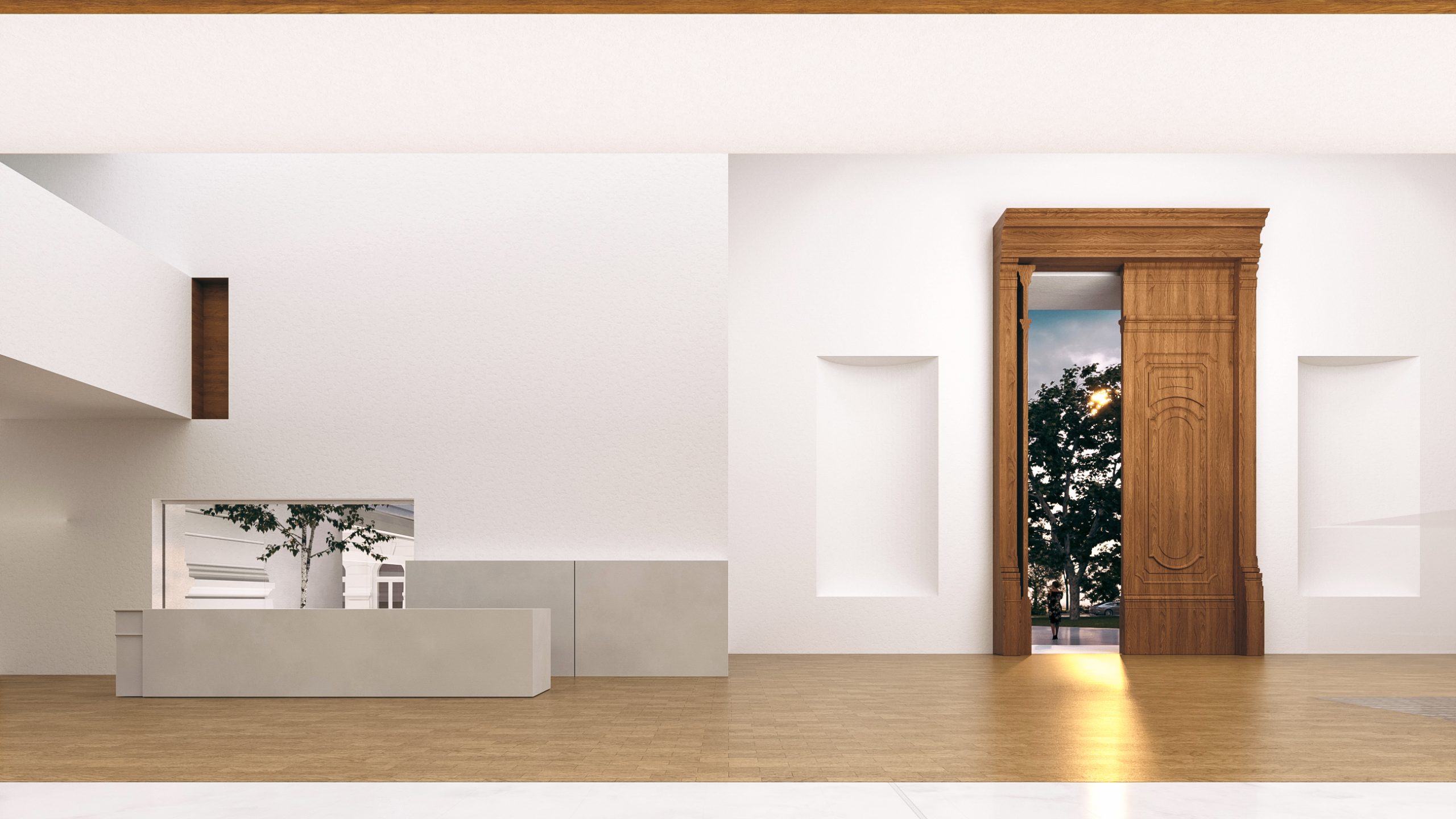
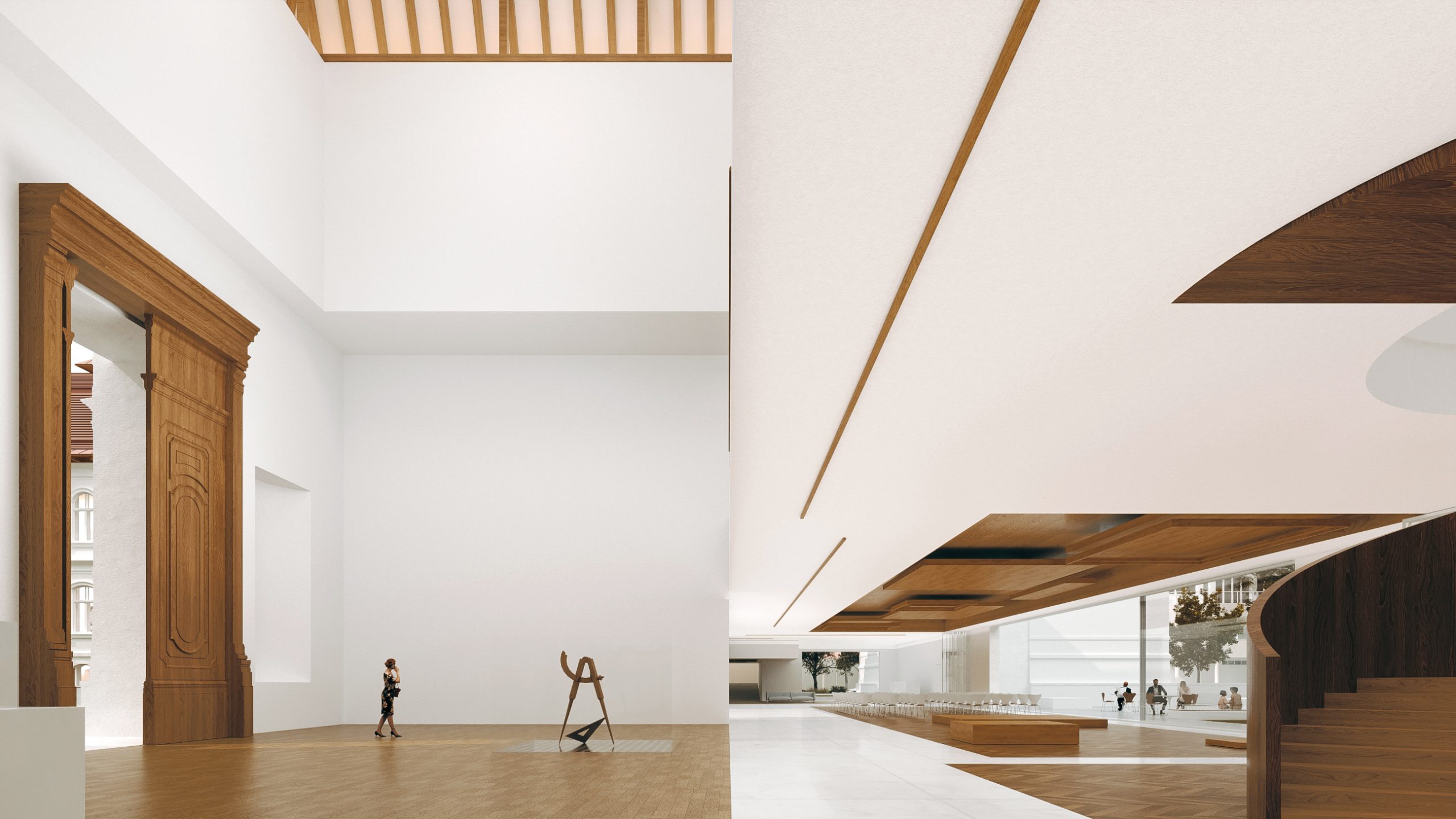
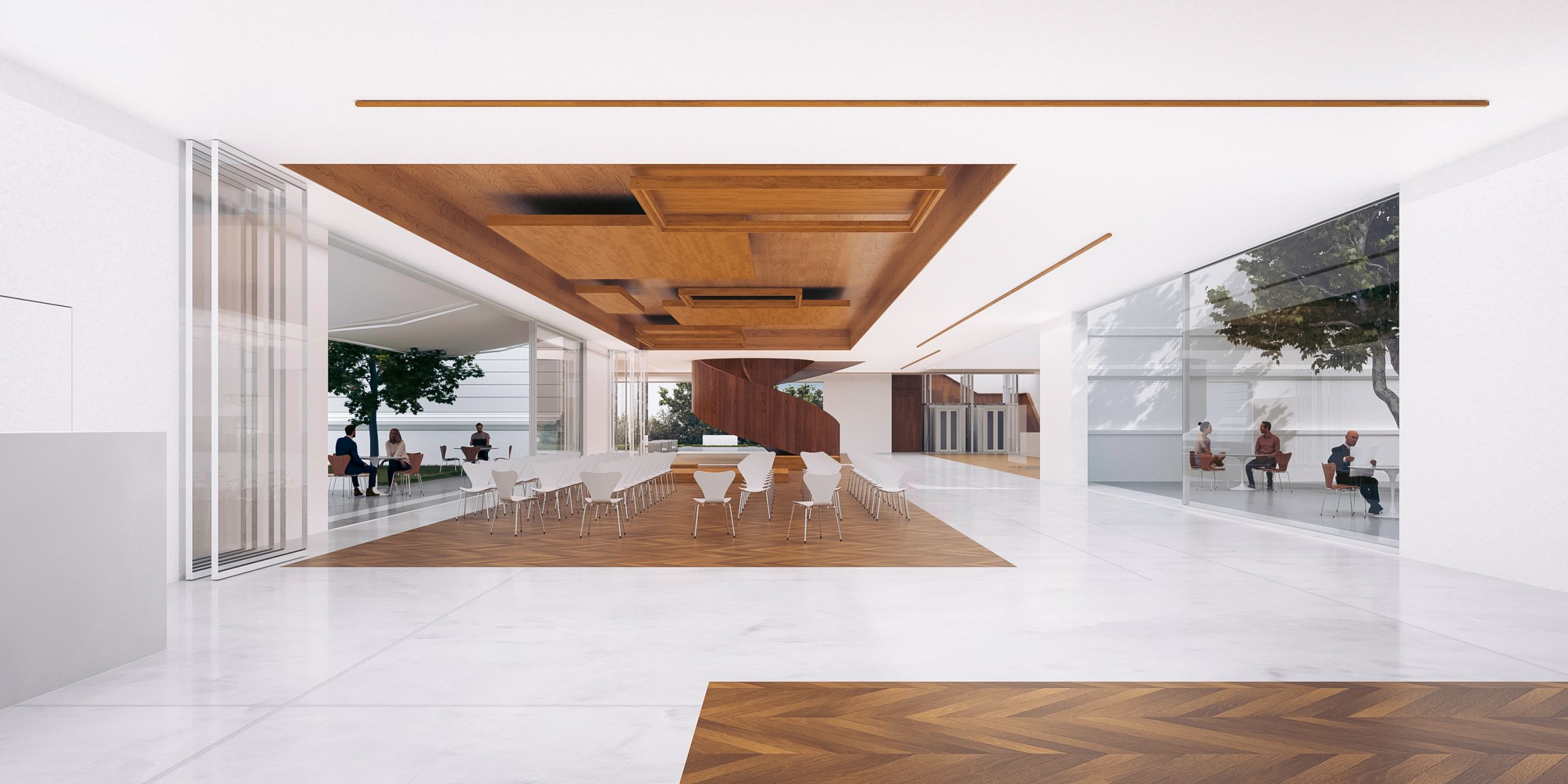
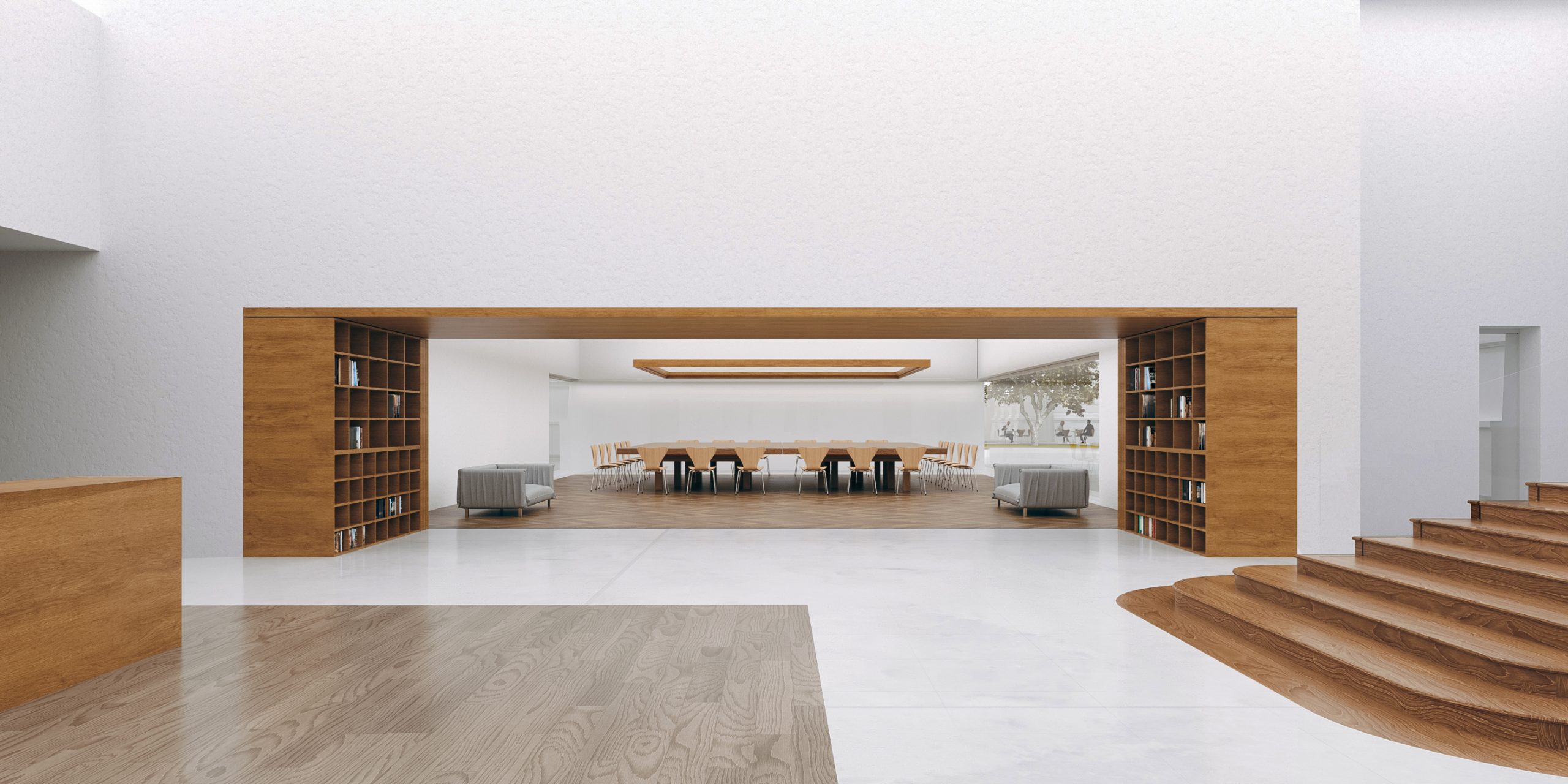
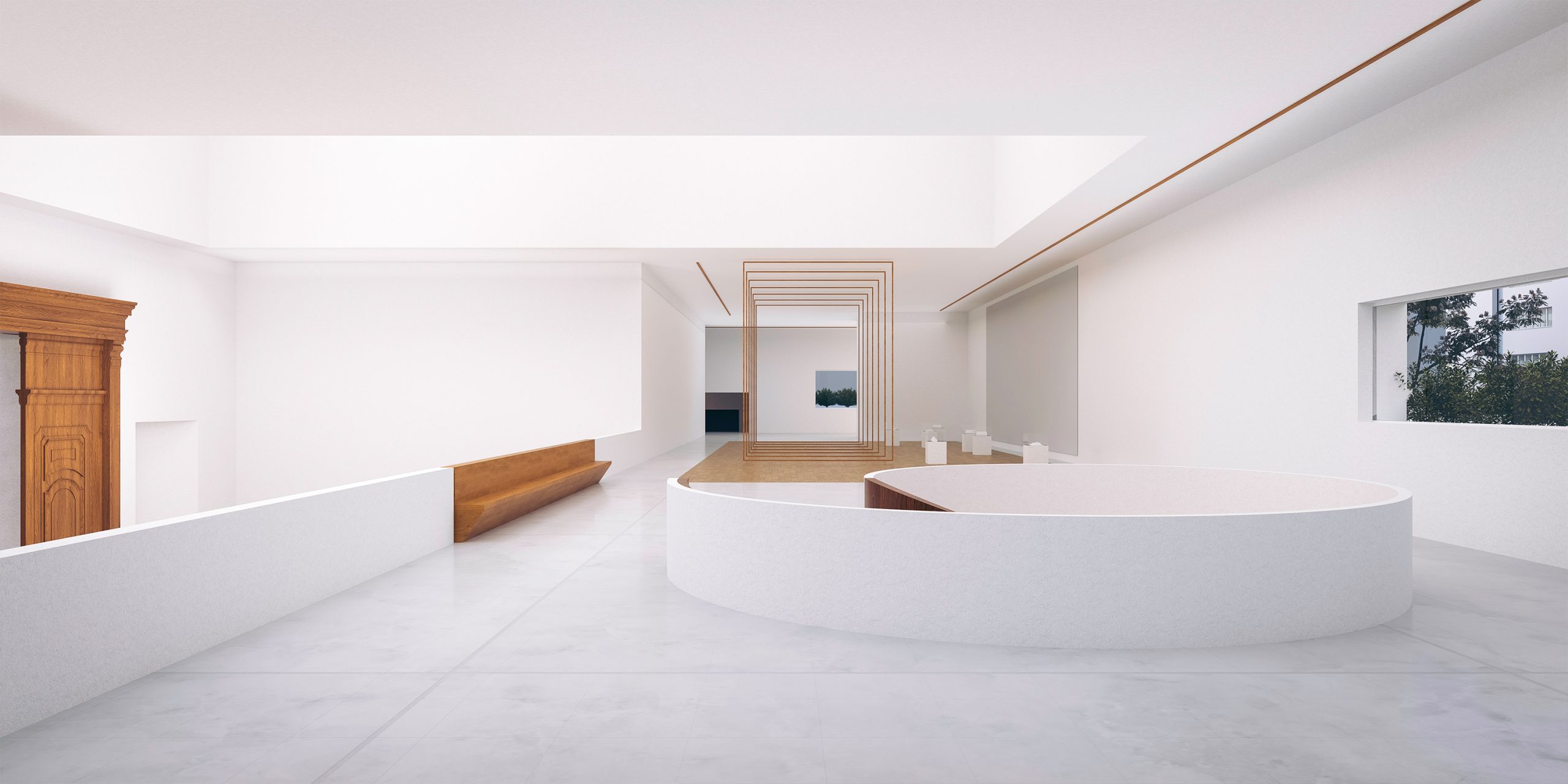
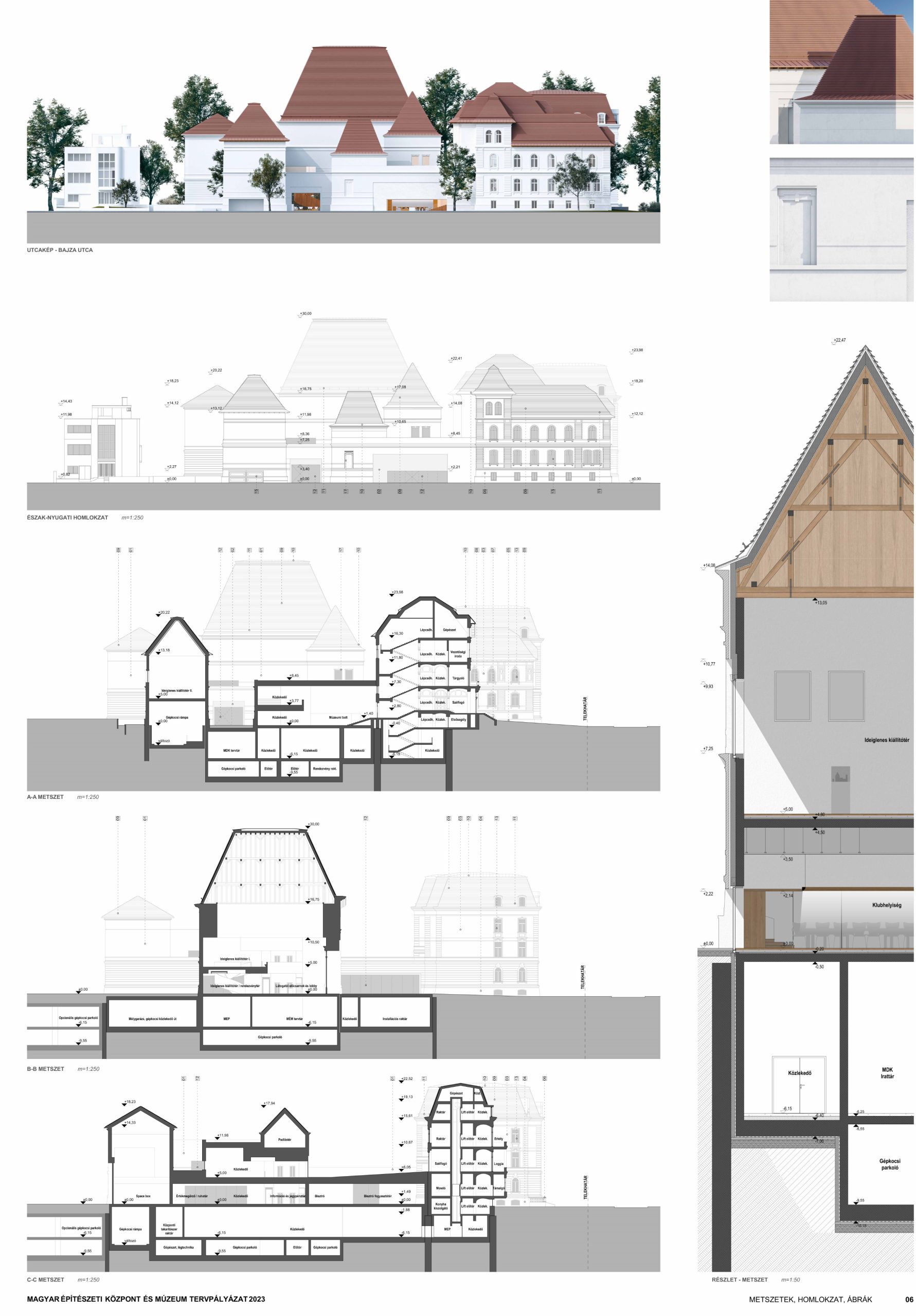
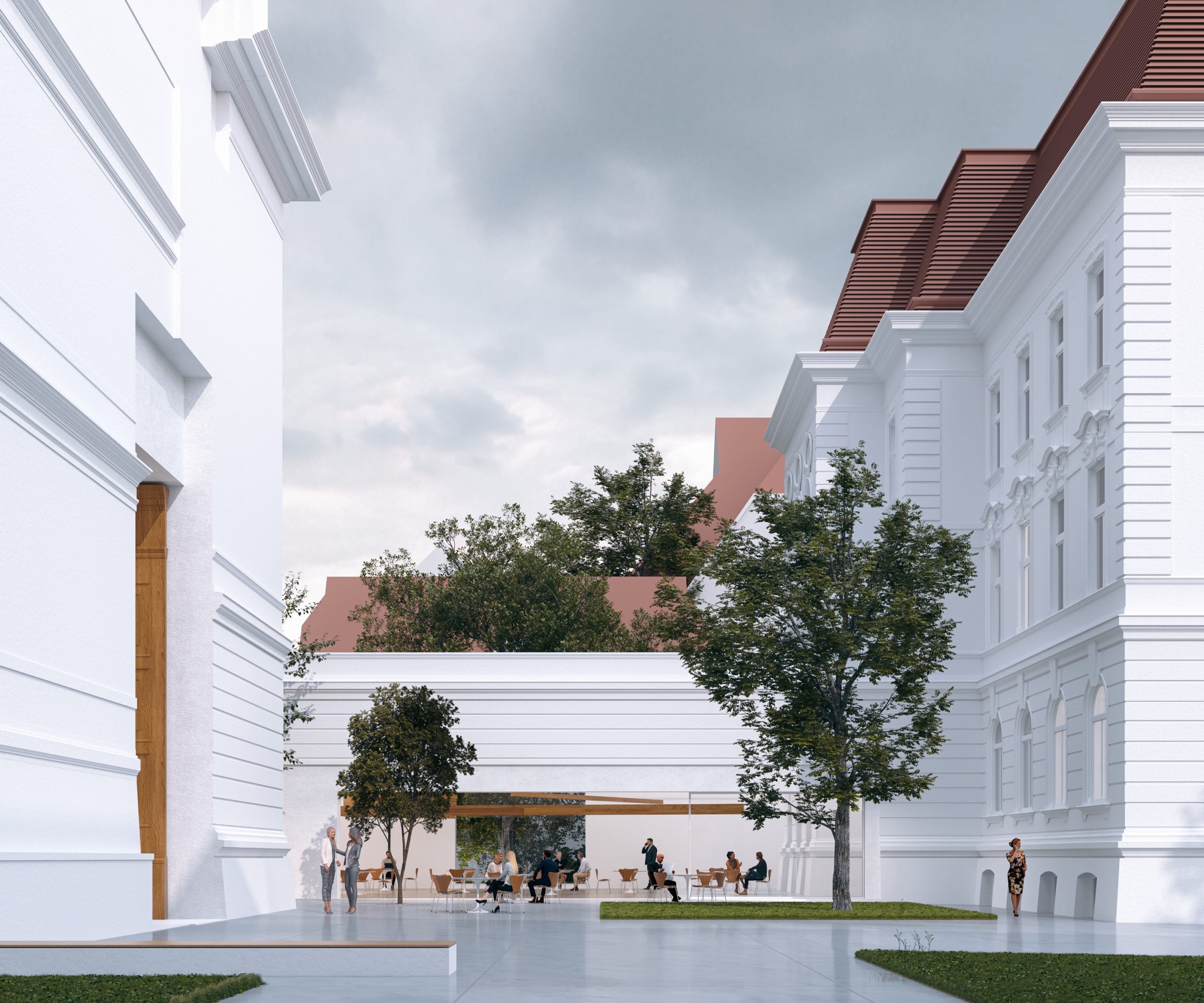
The relationship between a building and a person is special. The building opens the universe to man with the spirit of architecture. The genesis of the intertwining of historical buildings defines the behavior of the New Museum Building. The new thought and spatial force emerging from the historical continuity of architecture shows the moment of renewal of our thinking about architecture.
The New Museum Building, based on the Carpathian identity, wants to be a model of behavior. With a belief in the universal continuity of the built culture, it wants to stand with people on the side of the renewing Life with its harmony on a human scale.
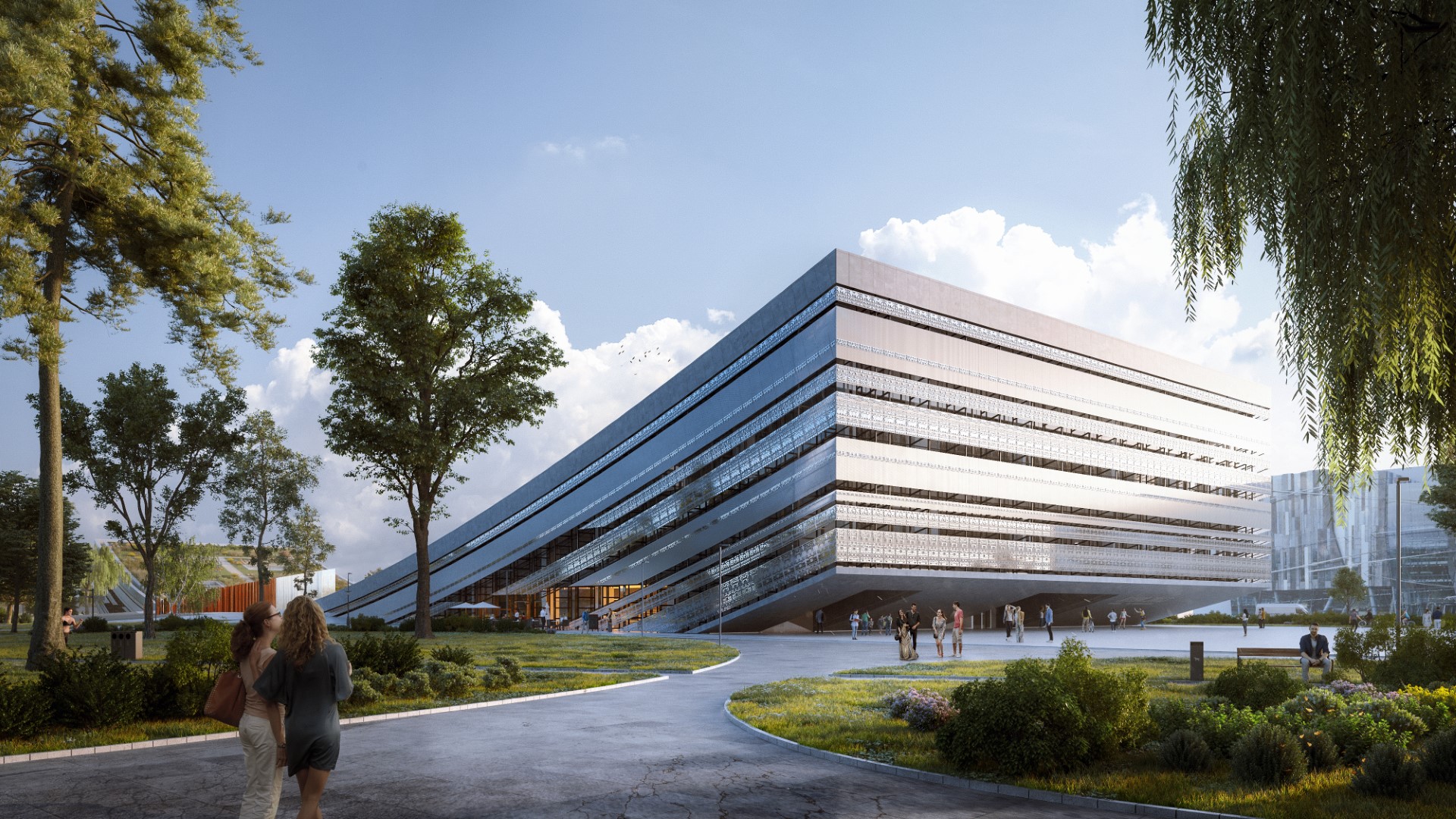
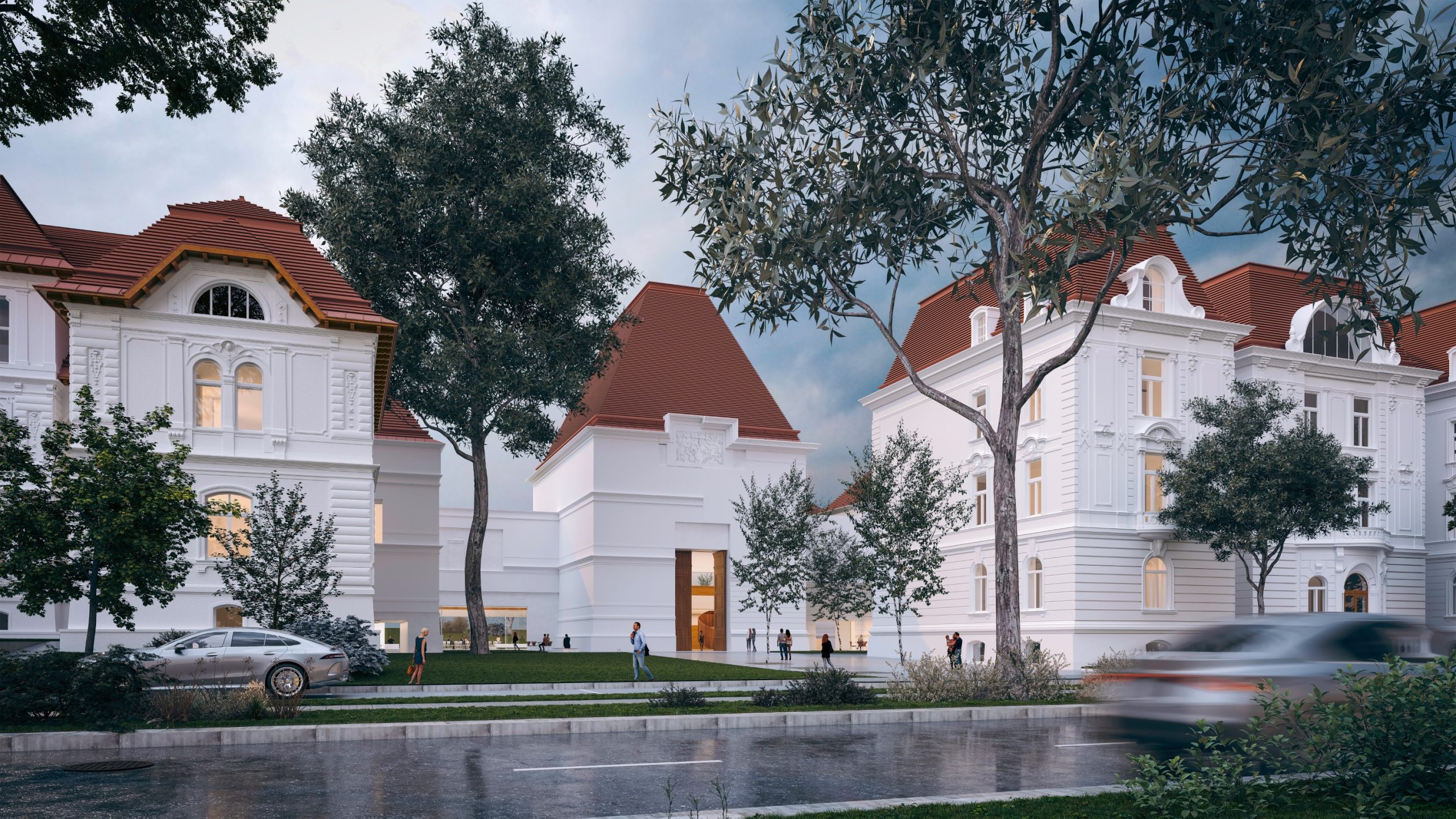
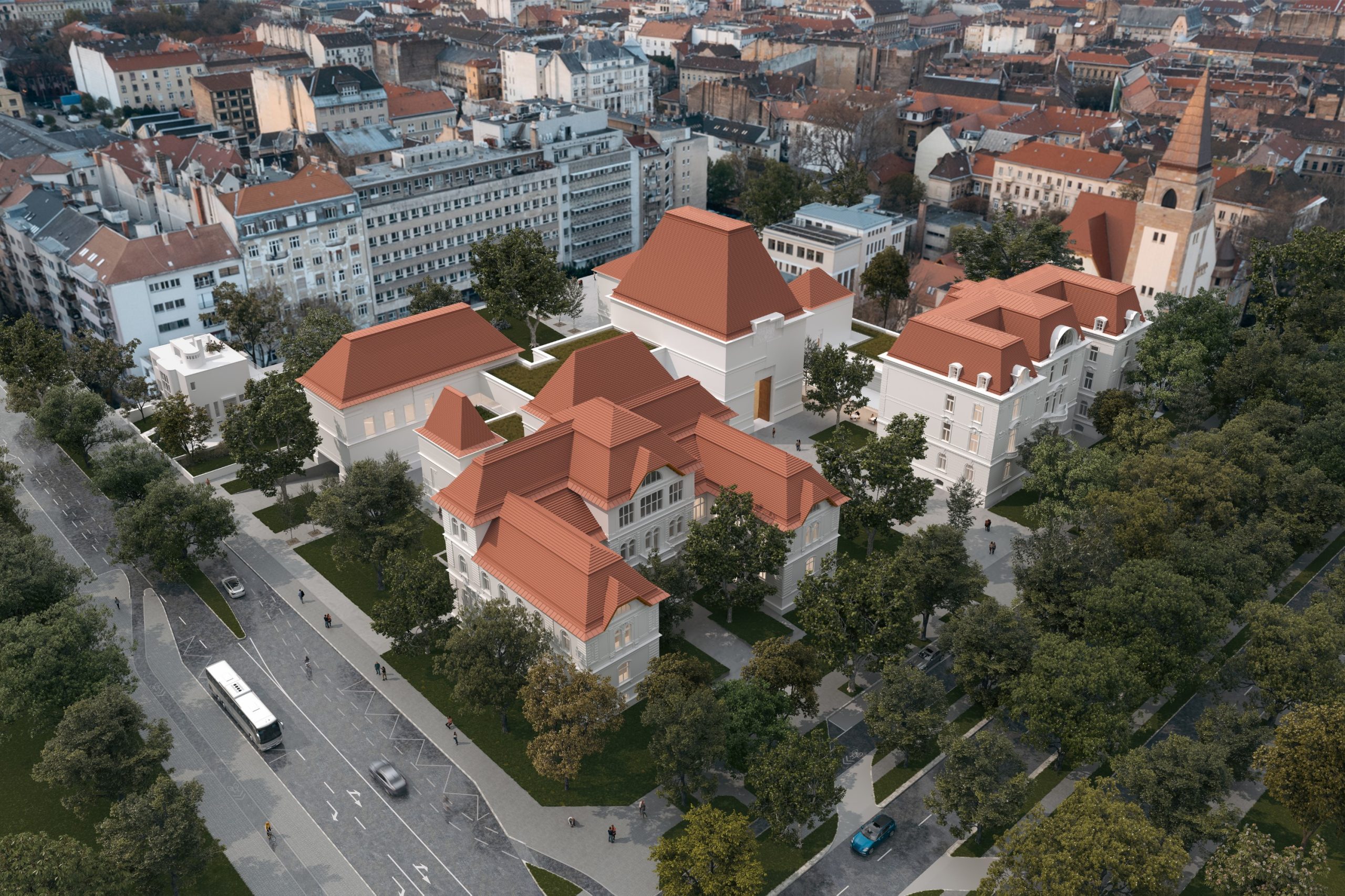
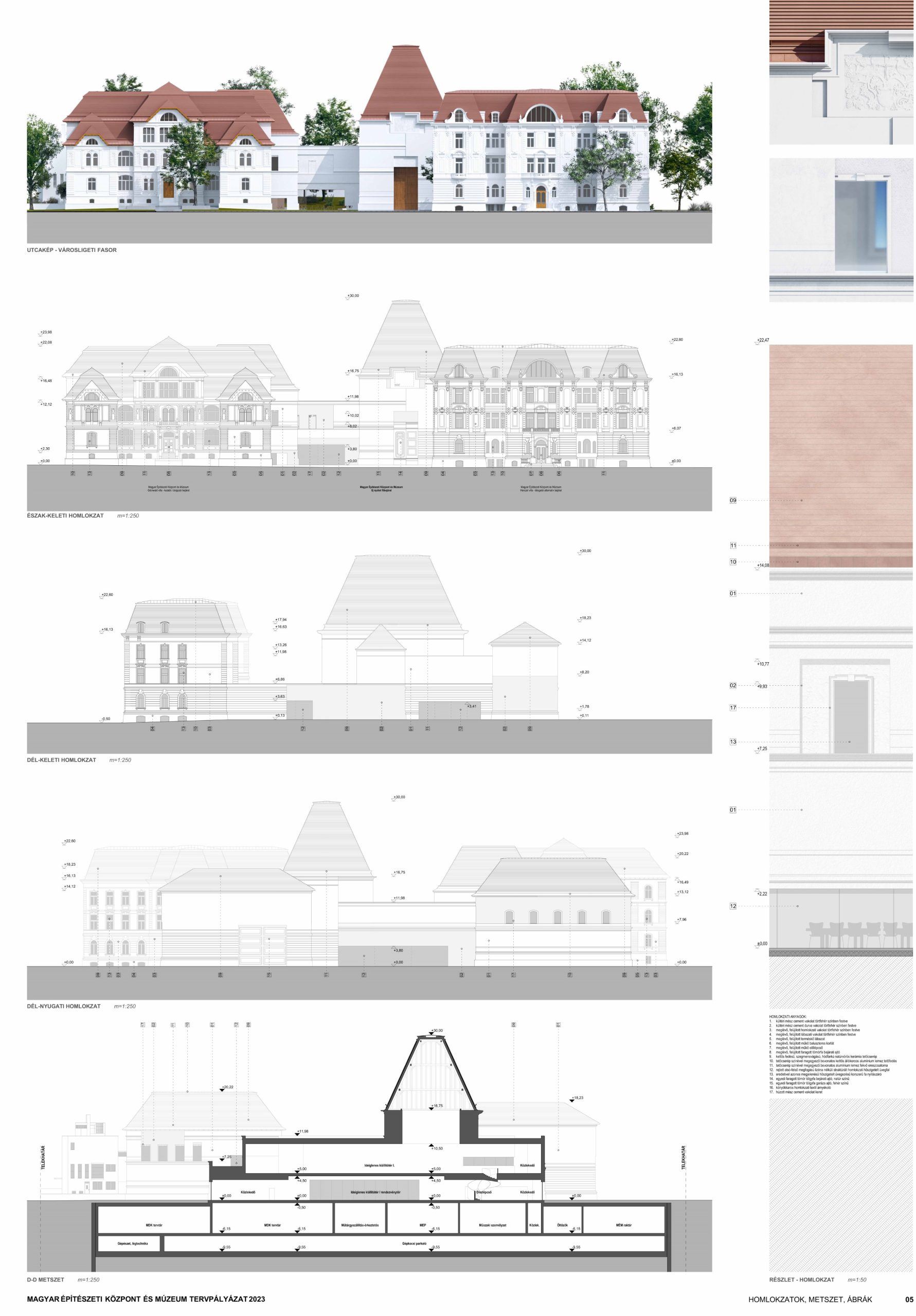
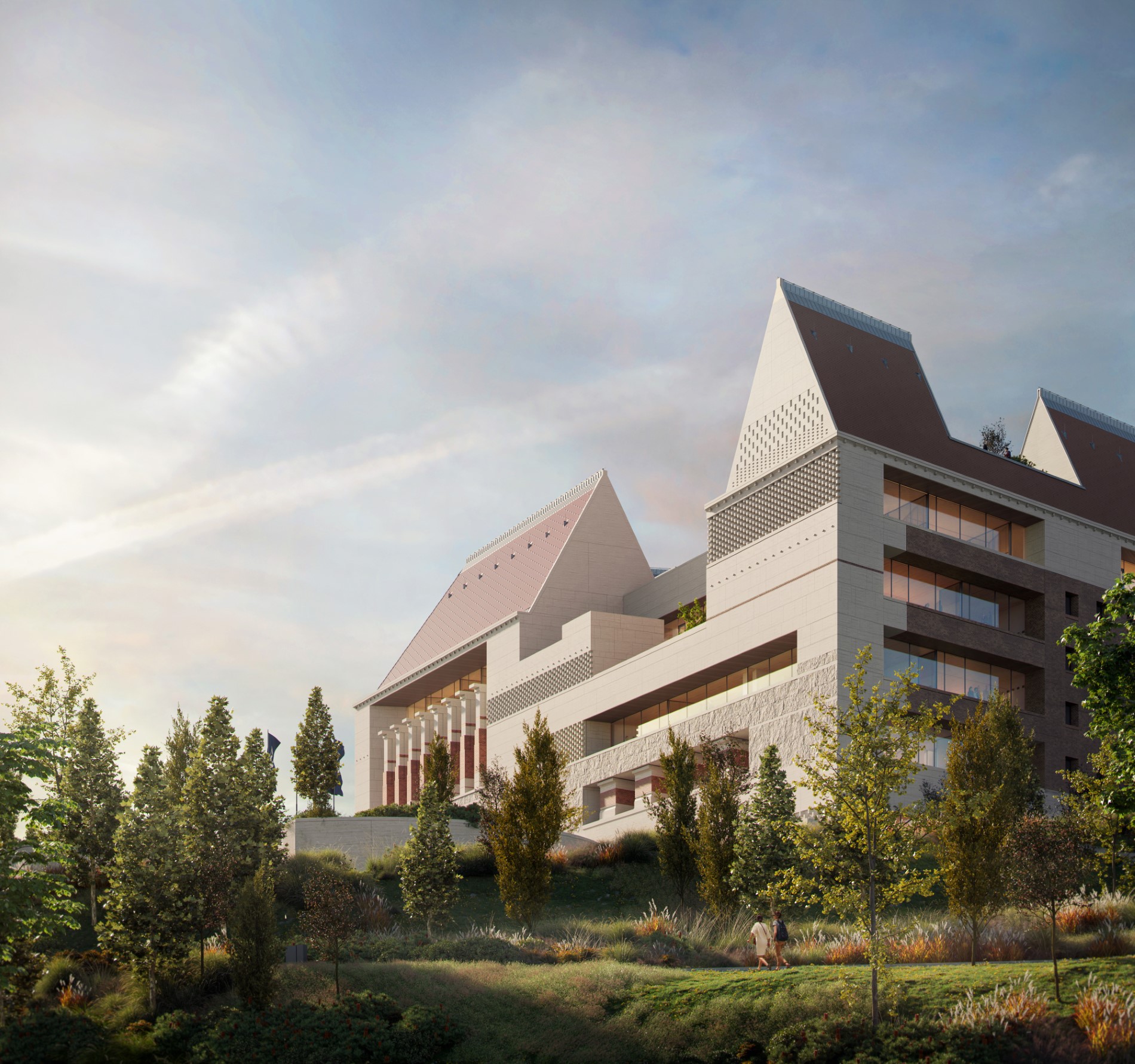
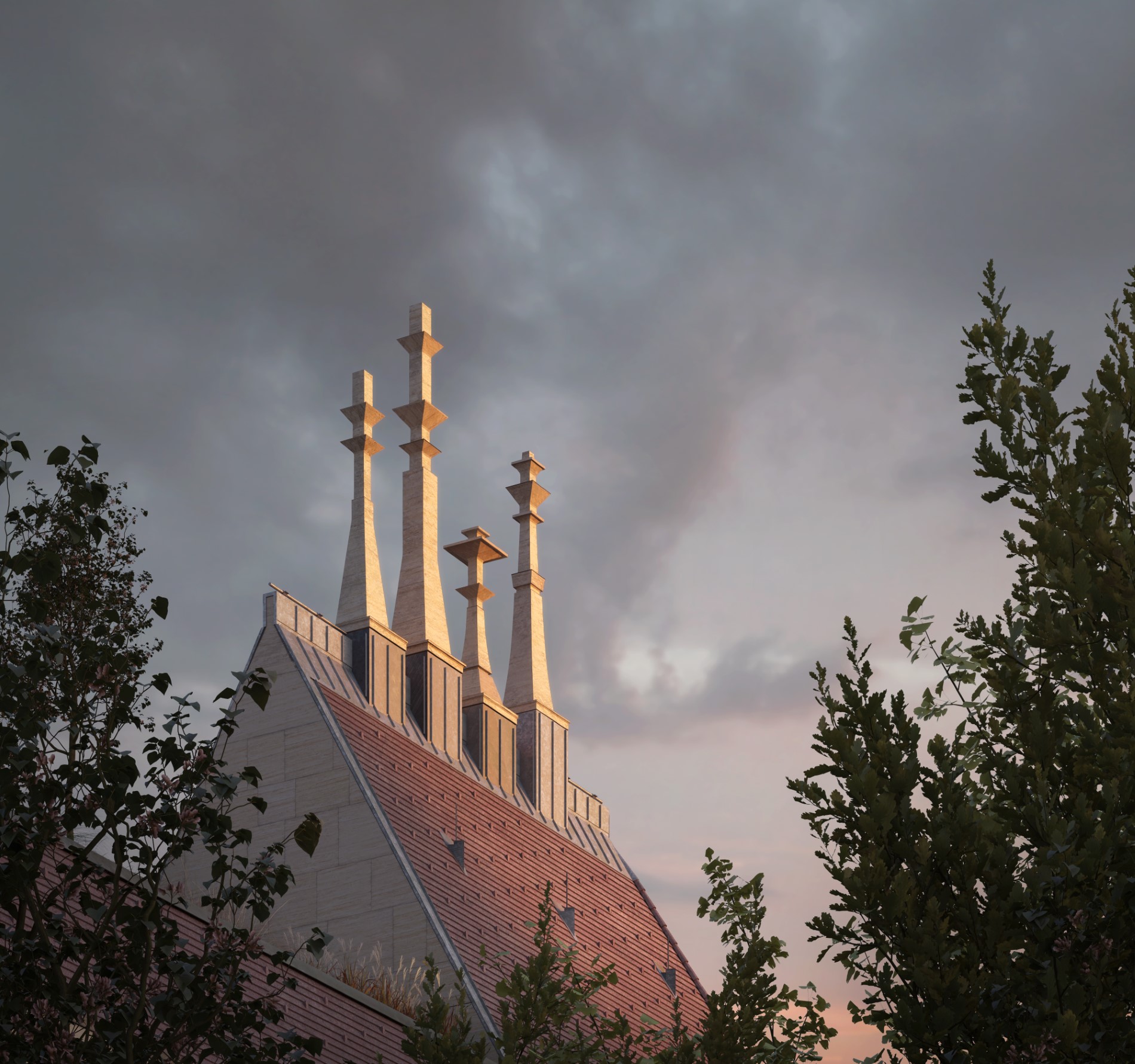
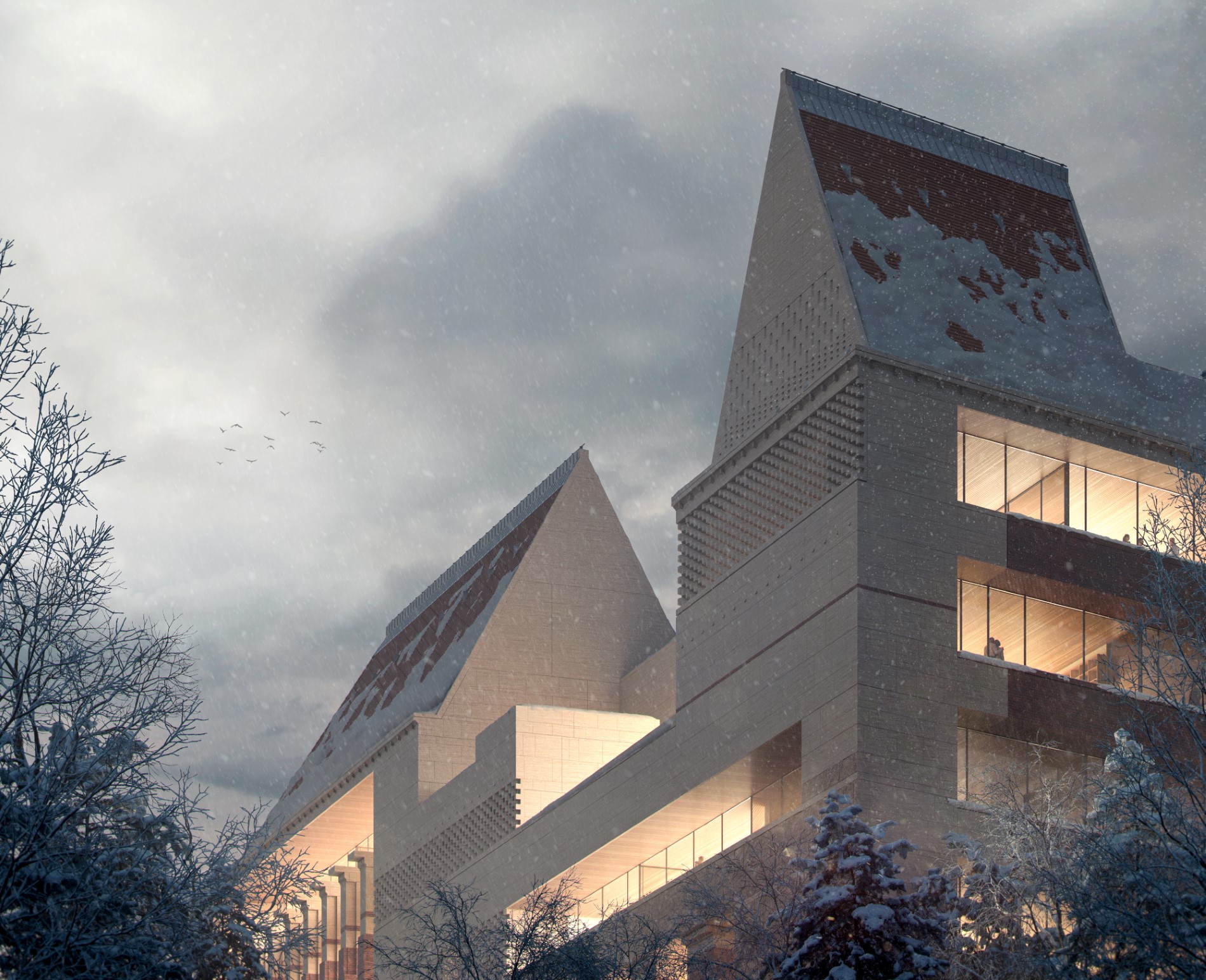
As a basic idea, the museum formulates the behavior of the new building through the genesis of the intertwining of the two historical buildings. It wants to help the people of today in understanding the world, as a contemporary and modern institution that encourages the essential presentation of the architecture of the past, a deeper understanding and continuation of its active, organic cultural language. The new architecture museum aims to ennoble the historical villa buildings - Grünwald, Herczel, Walter - into an entity, a harmonious unit. The formed architectural behavior aims to organize the separate building masses into a uniform composition according to the proportions and editing rules of classical architecture, in line with the urban architectural quality of the former bourgeois villas. The building of the new museum aims to strengthen the high level of alignment with the Városliget tree line and the historic environment that preserves Budapest's golden age from the Compromise era. (excerpt from the art description 2023)


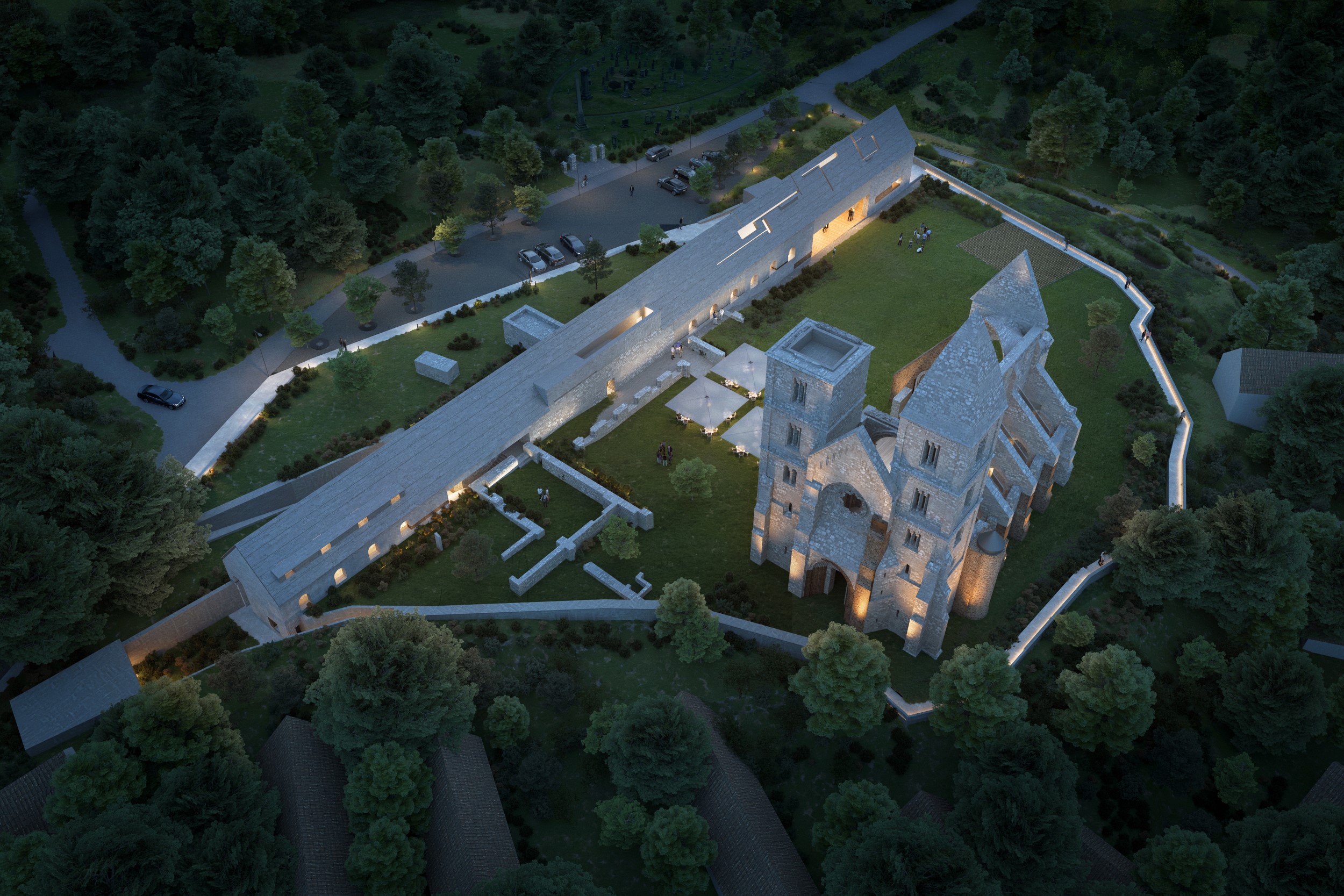
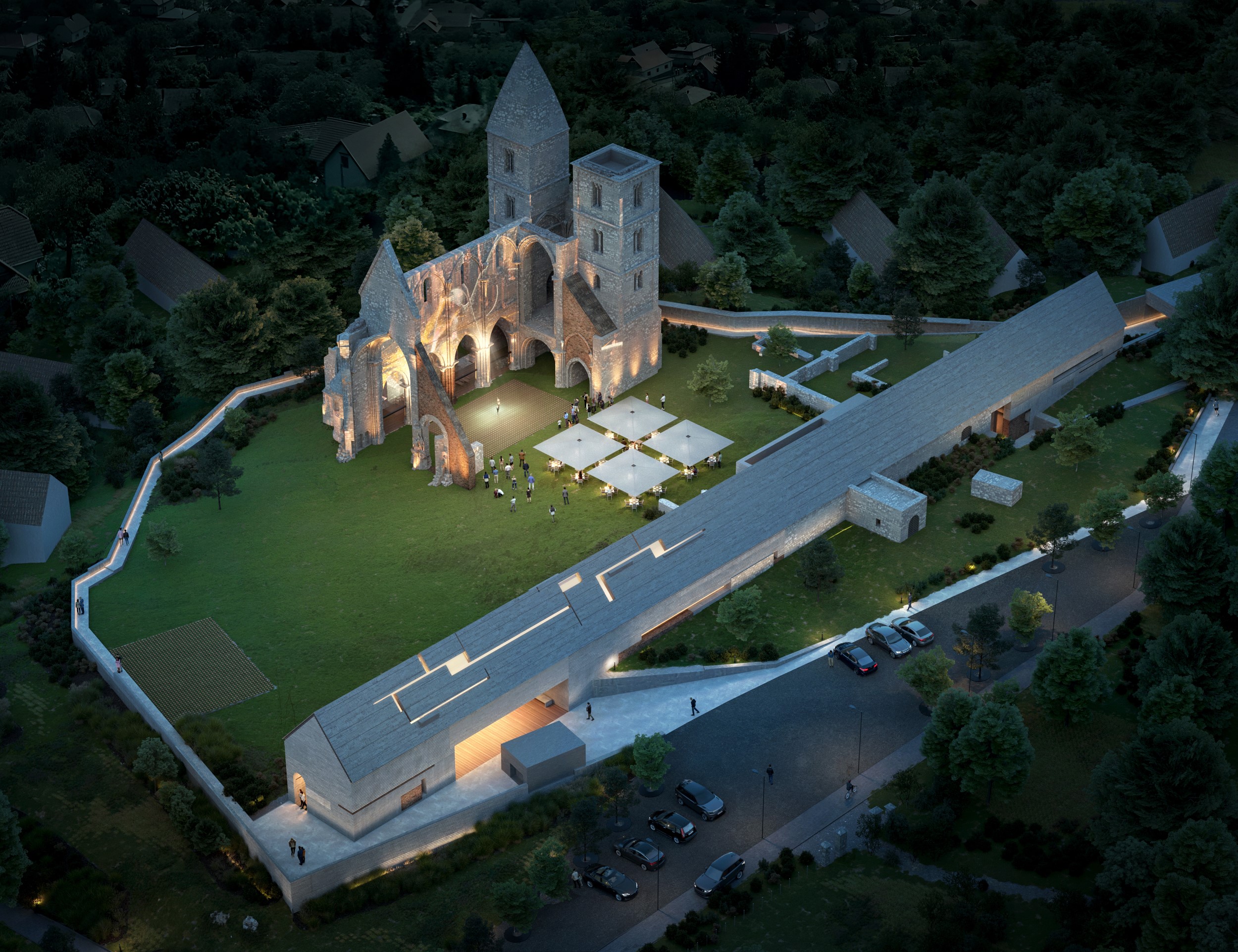
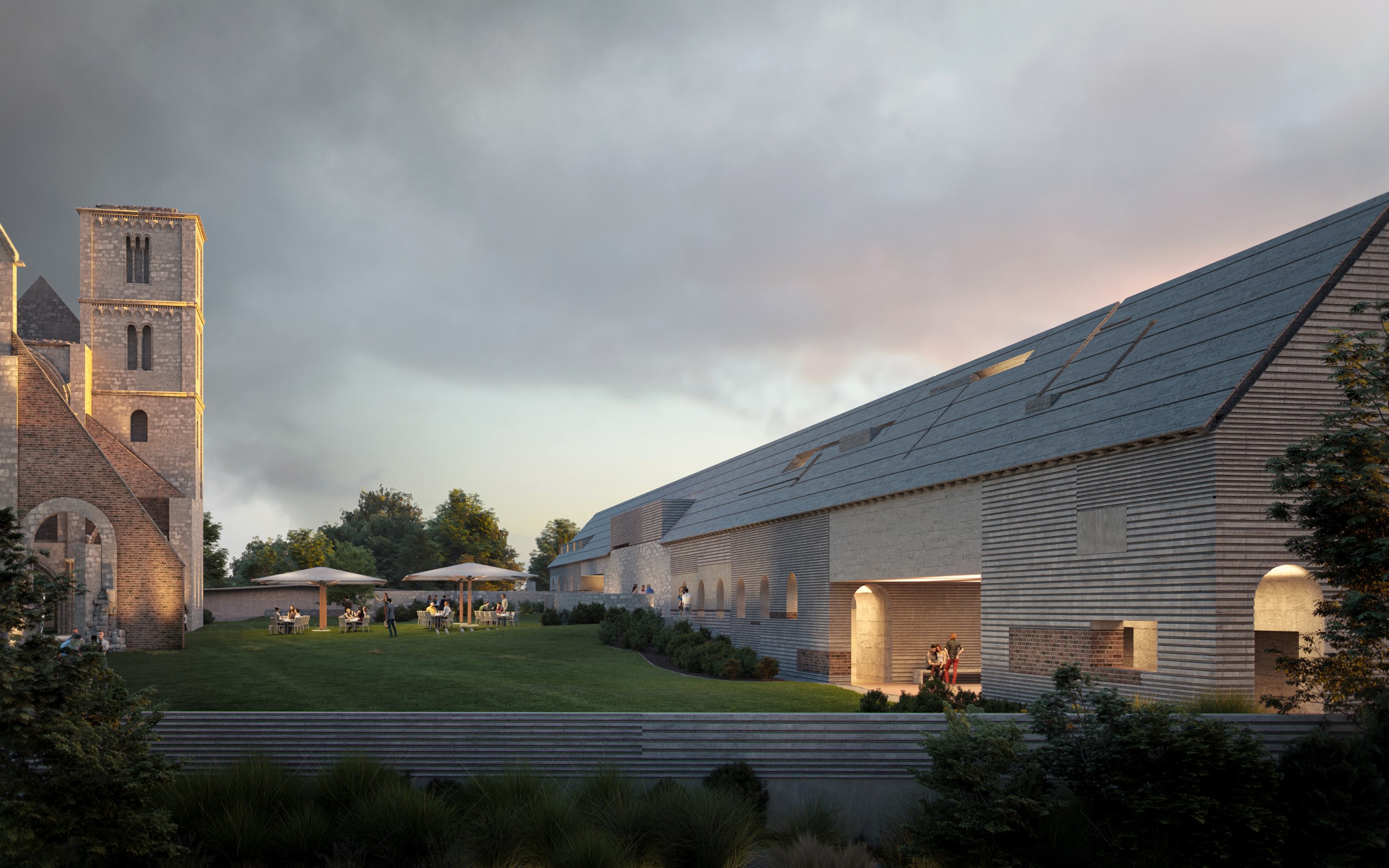
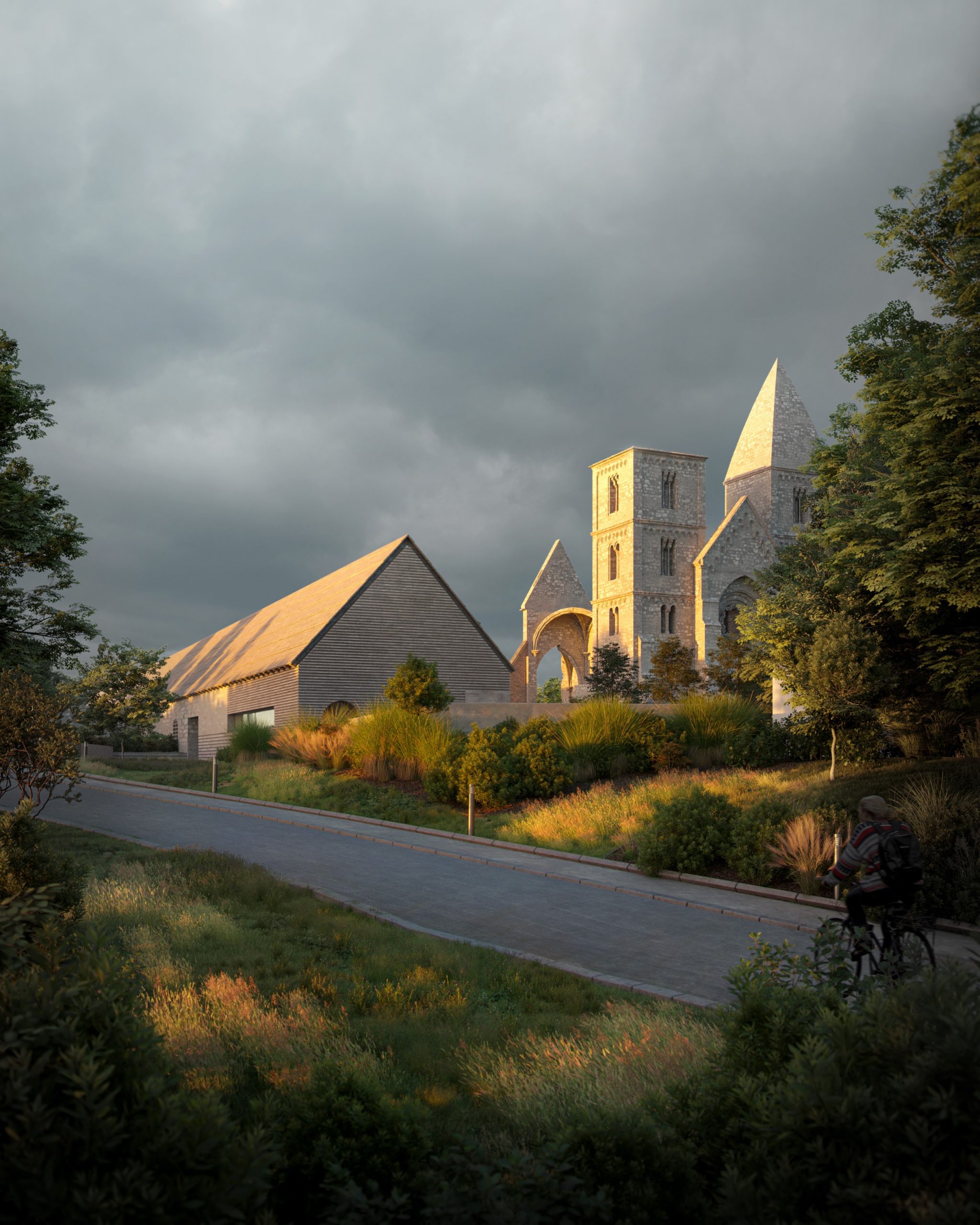
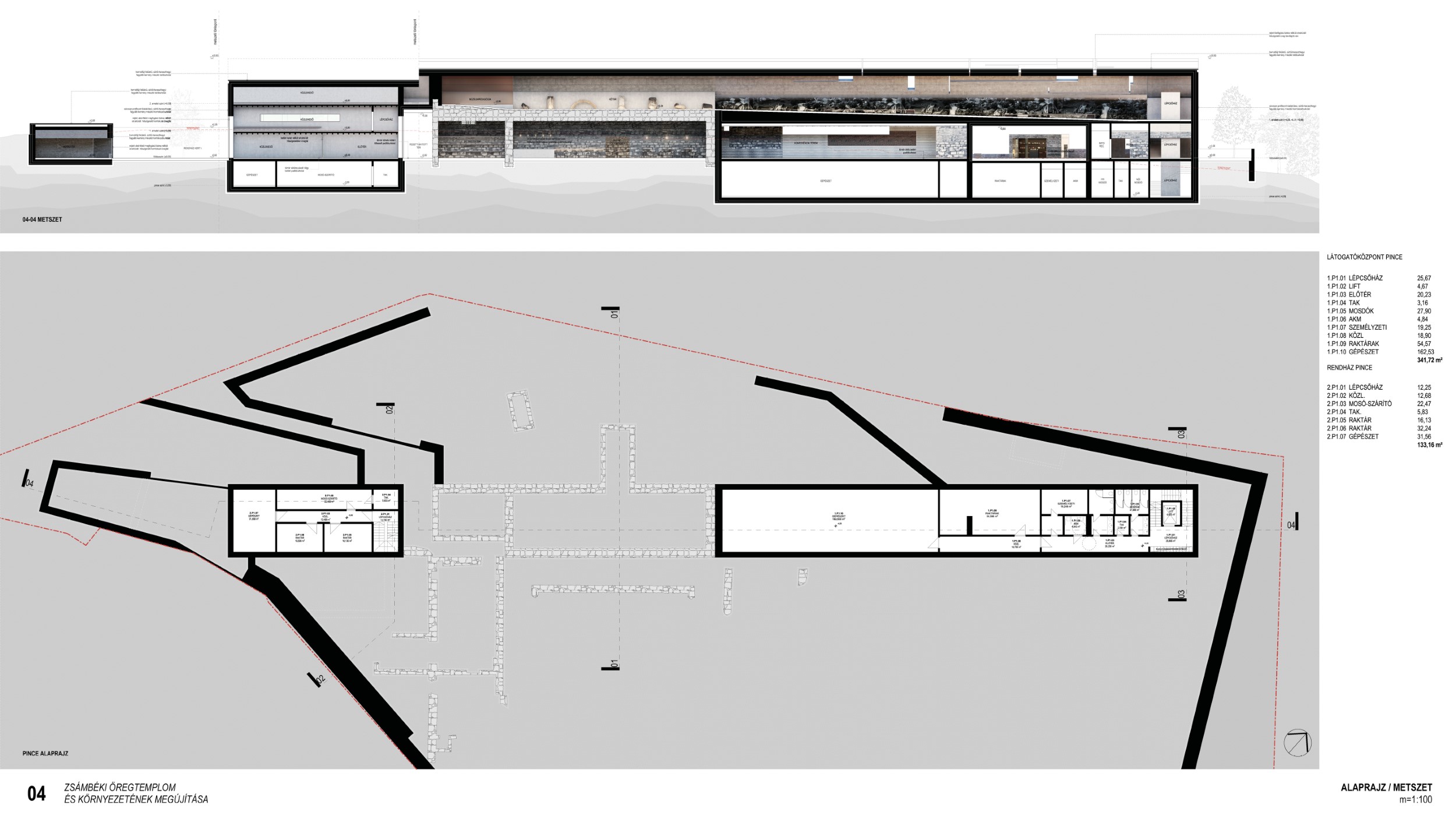
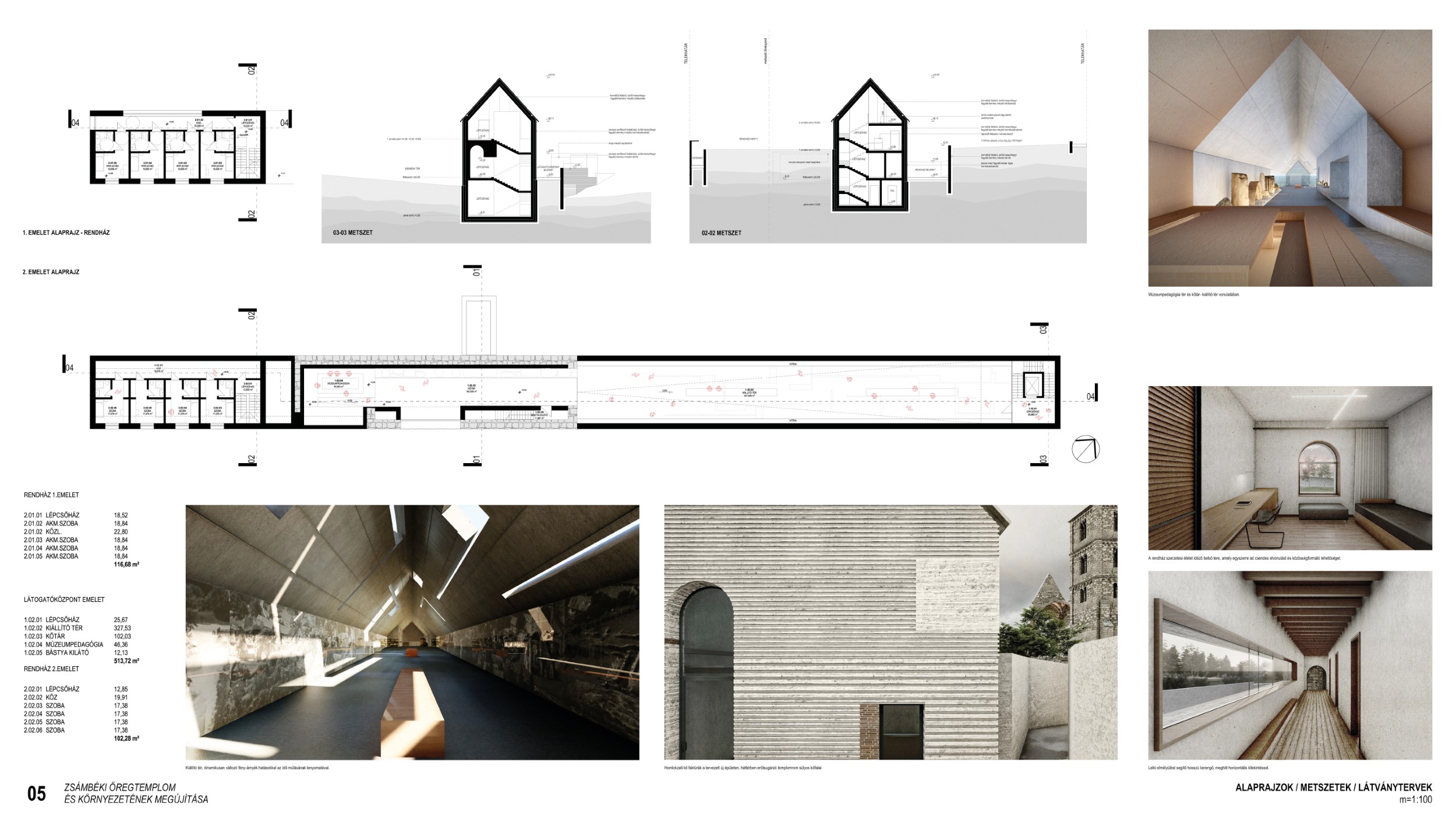
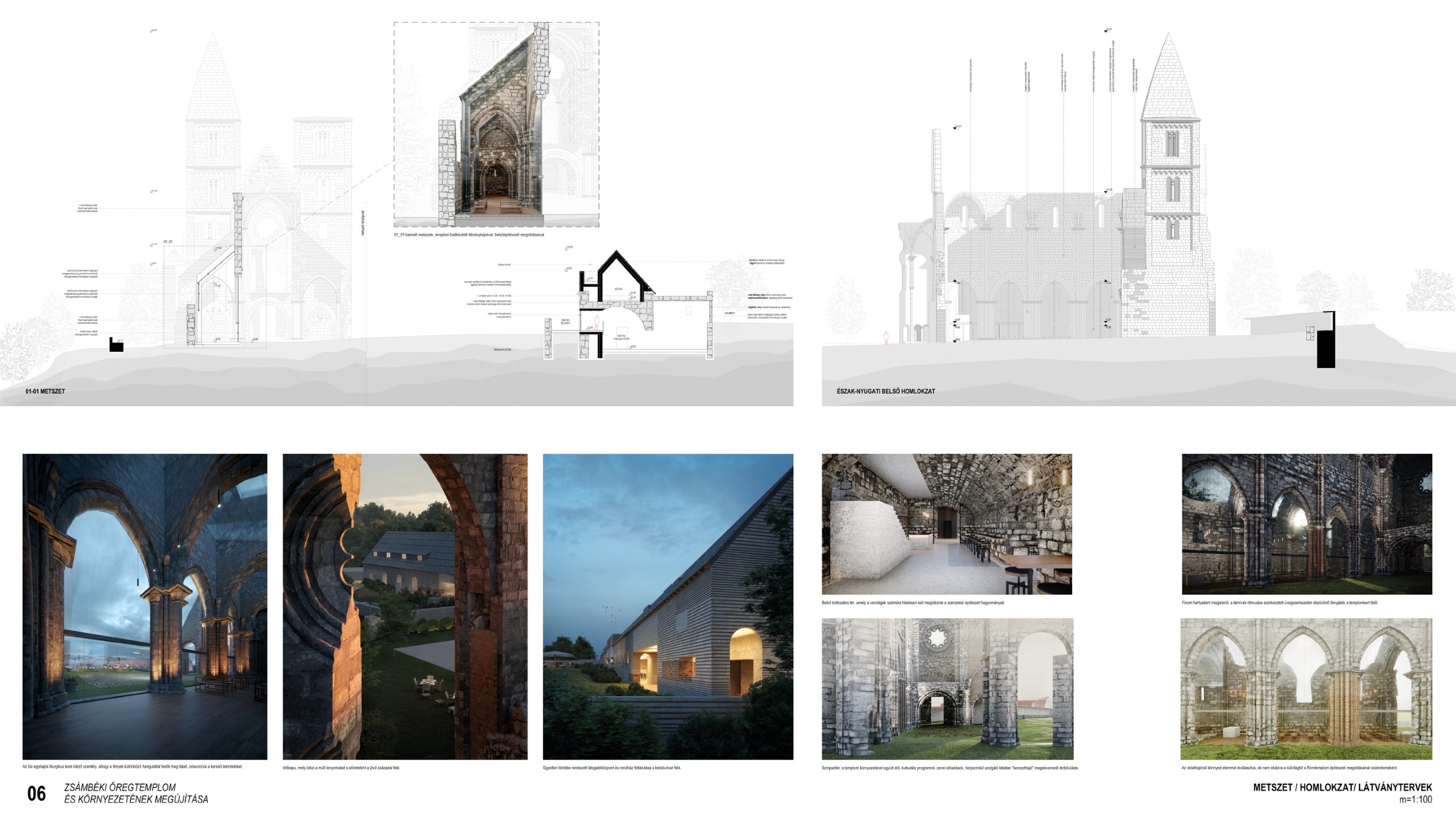
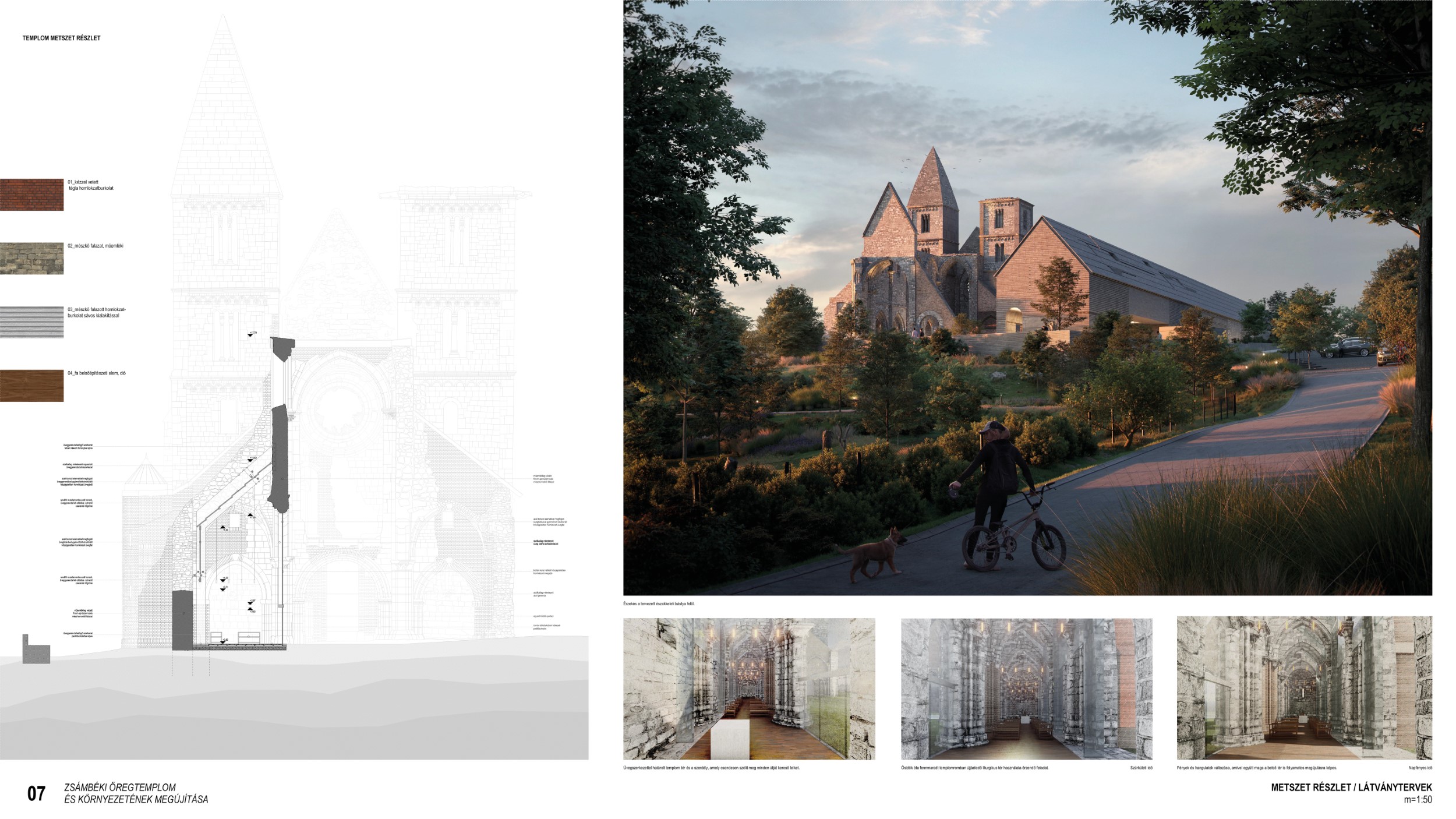
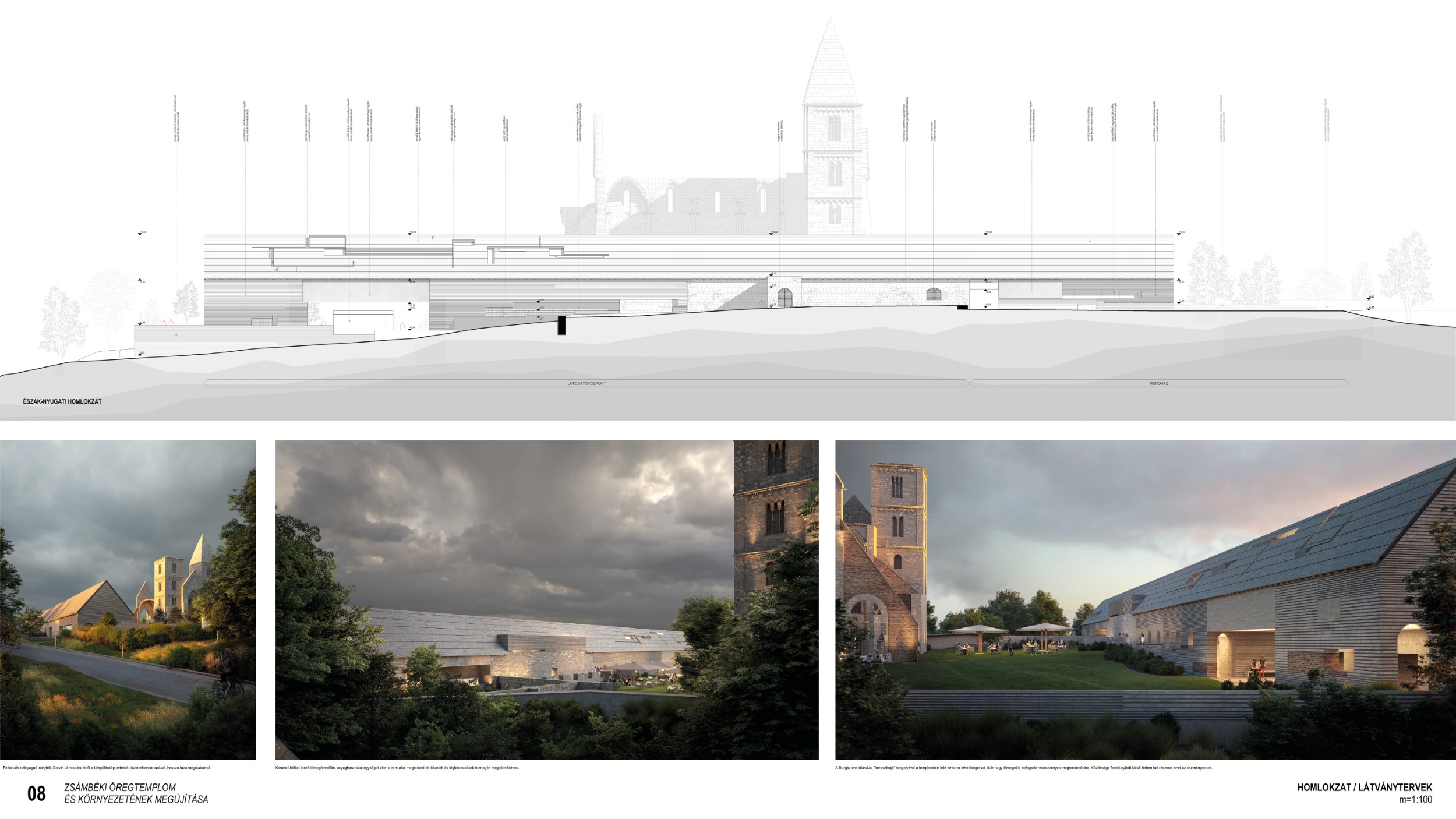
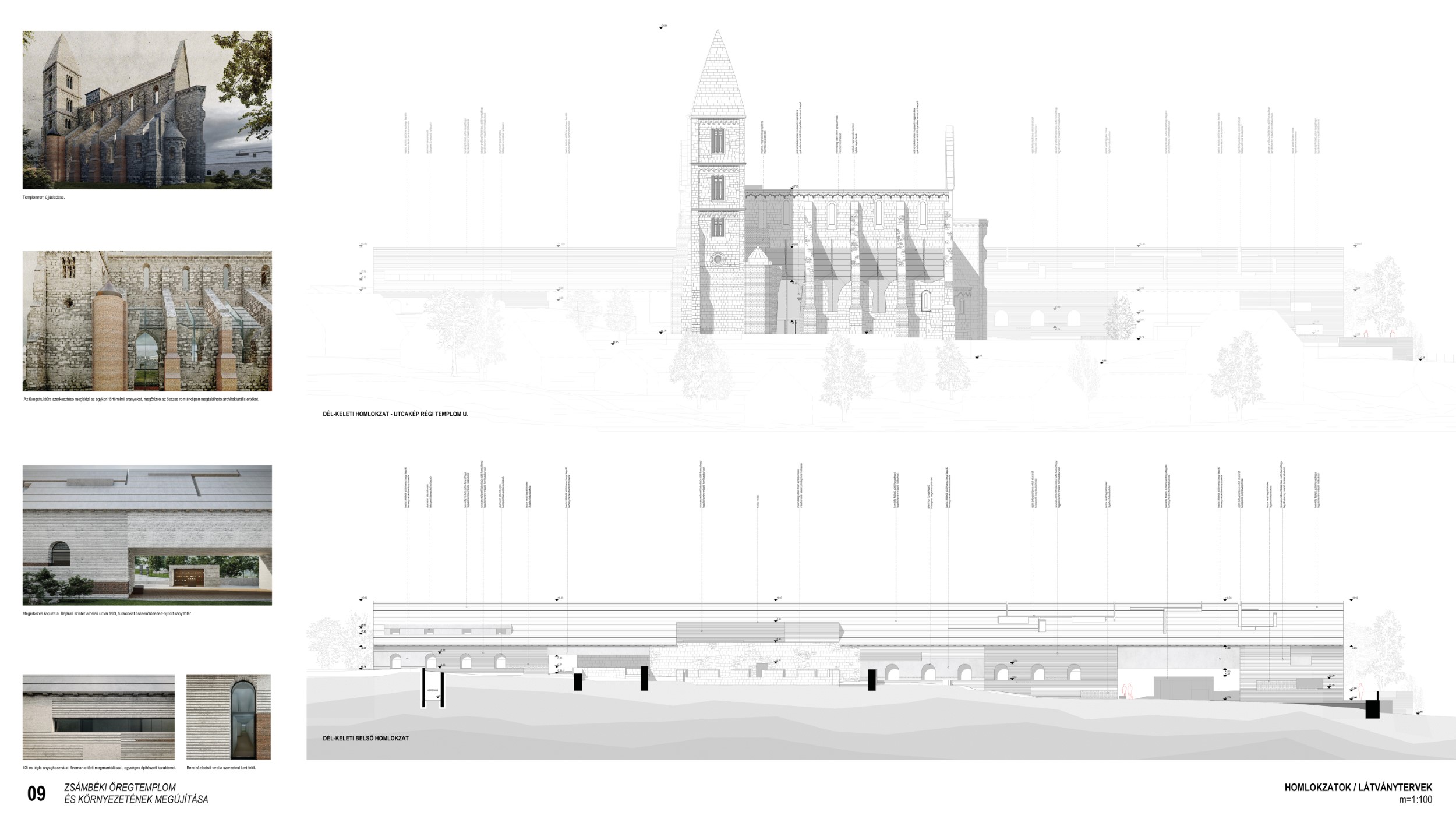
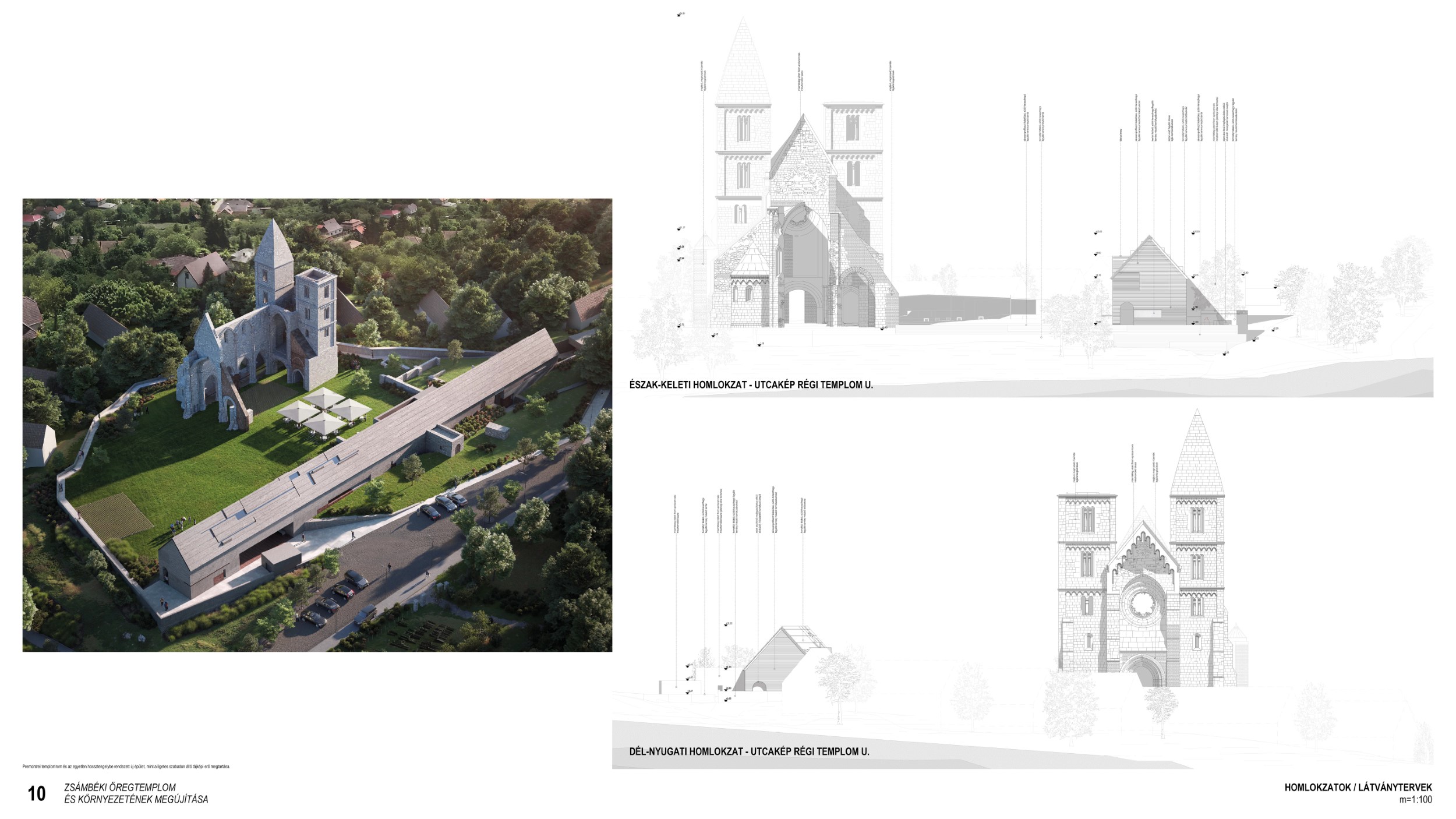
Renovation of Zsámbéki Old Church and its surroundings
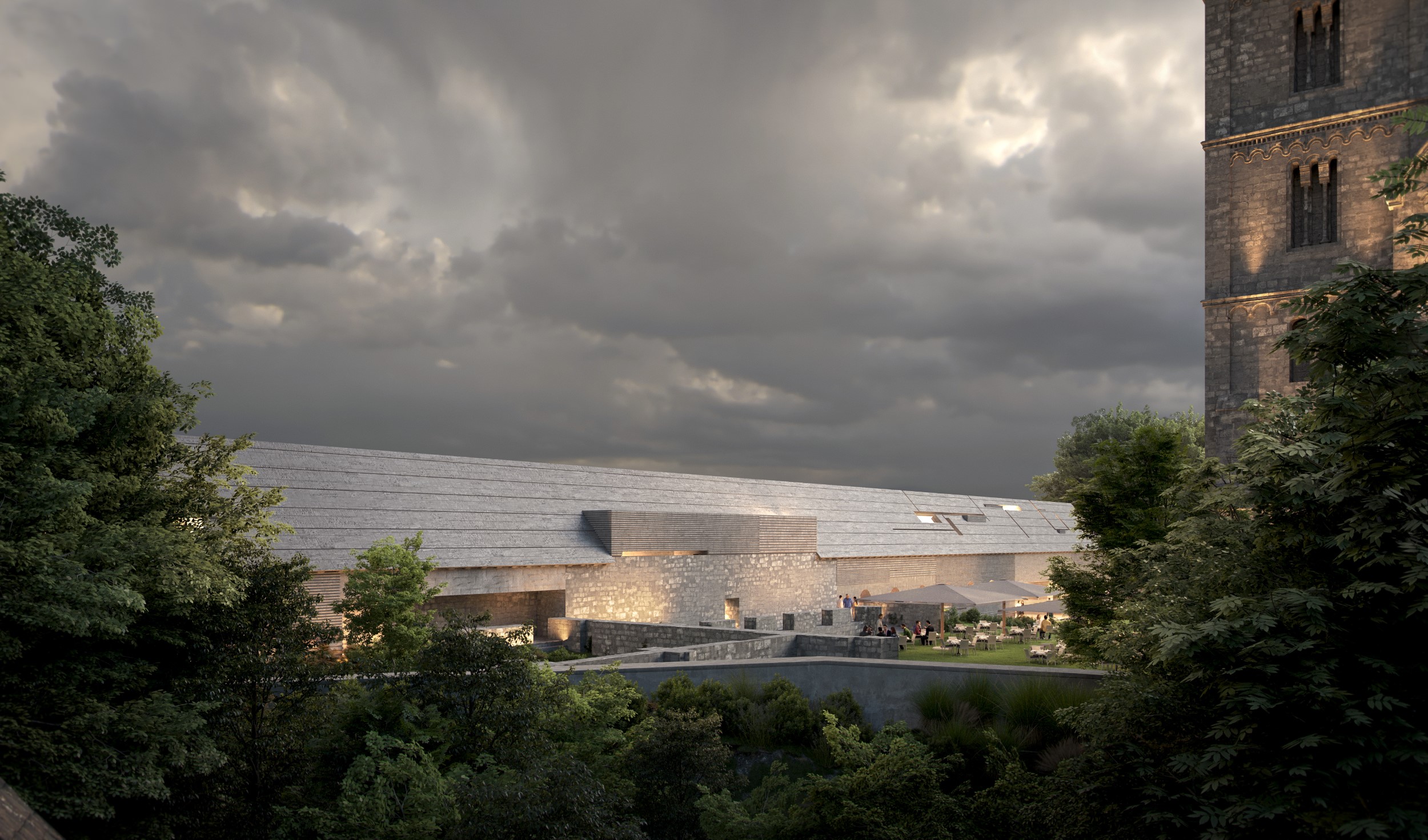
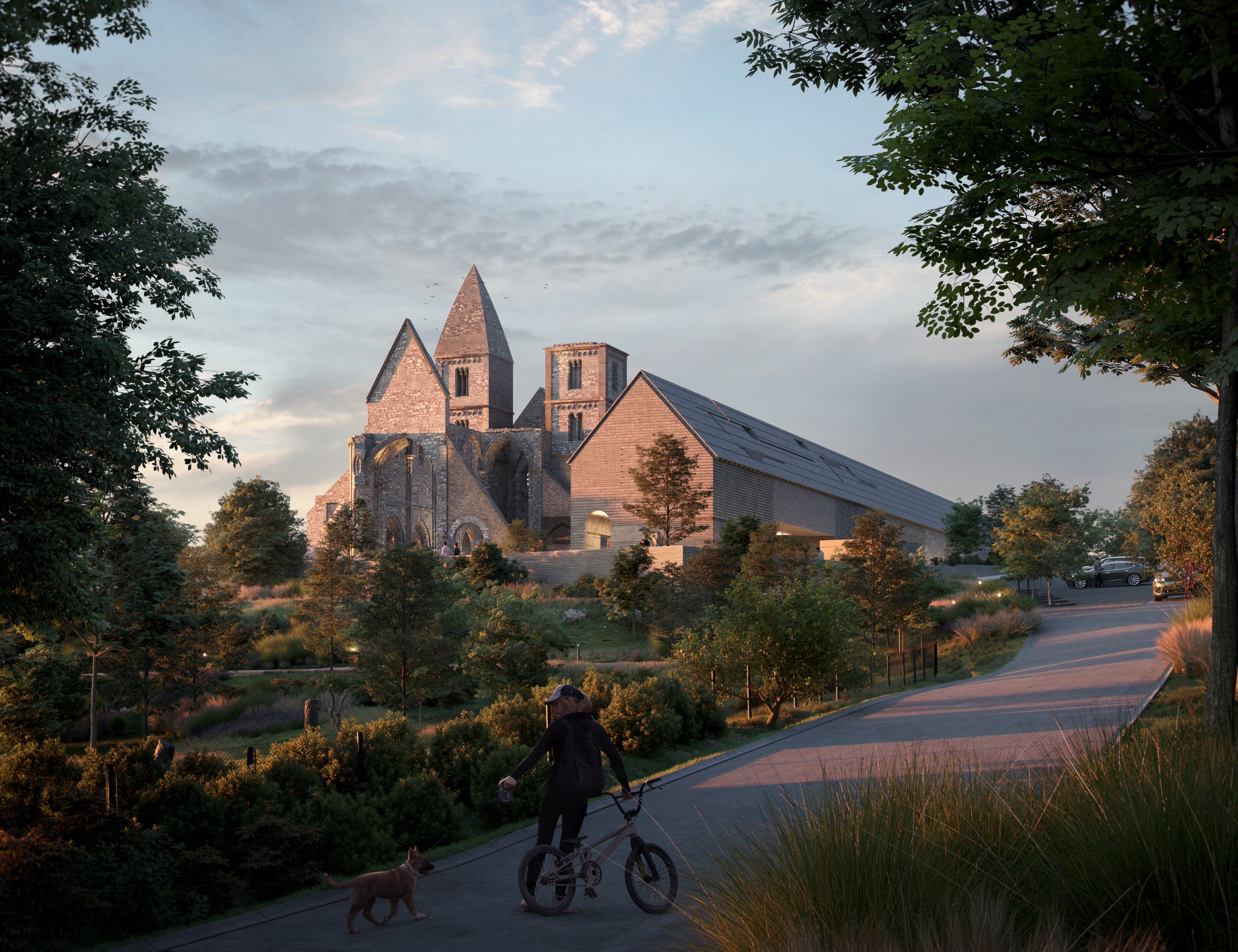
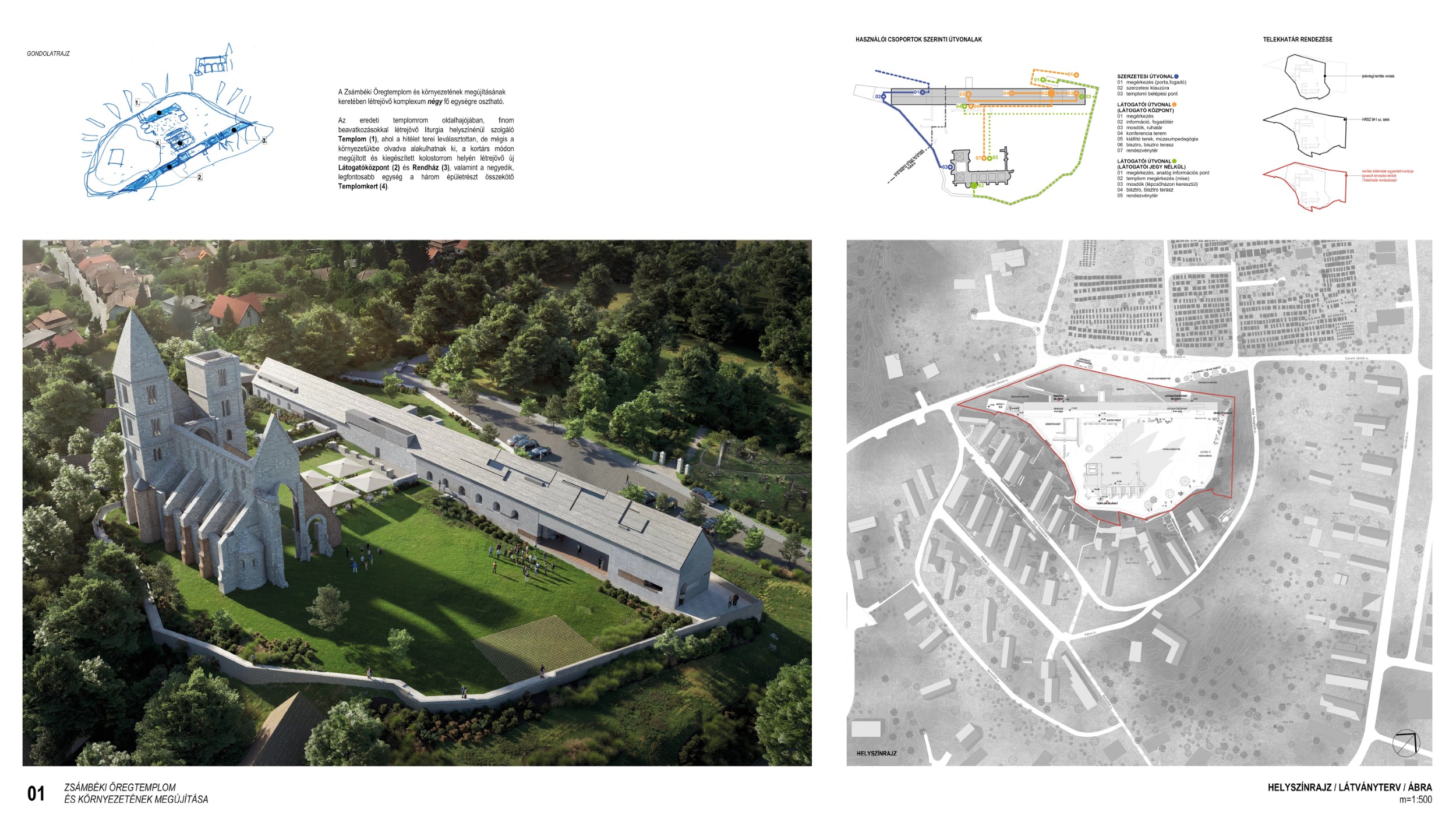
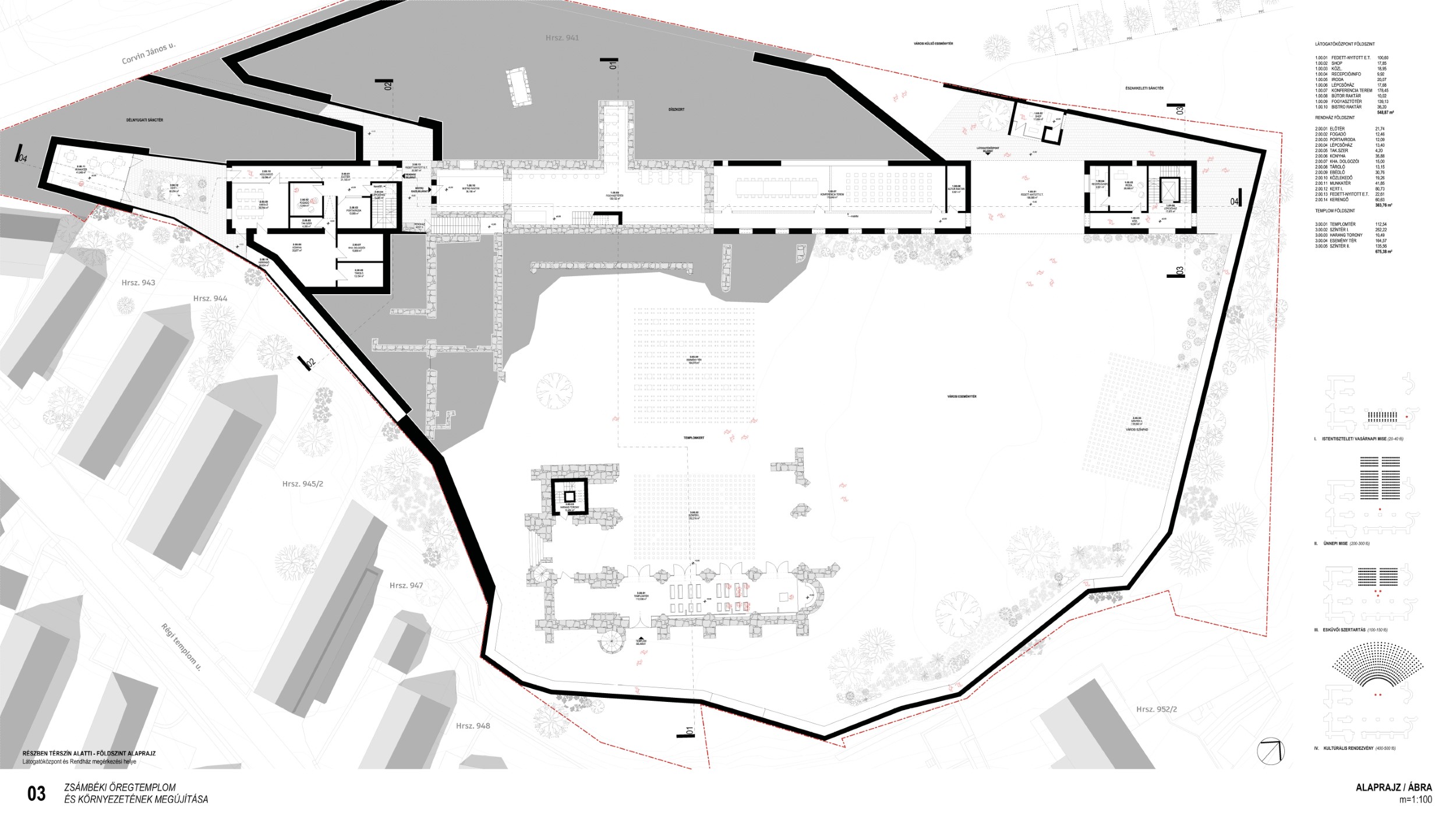
Renovation of Zsámbéki Old Church and its surroundings - design tender - selected
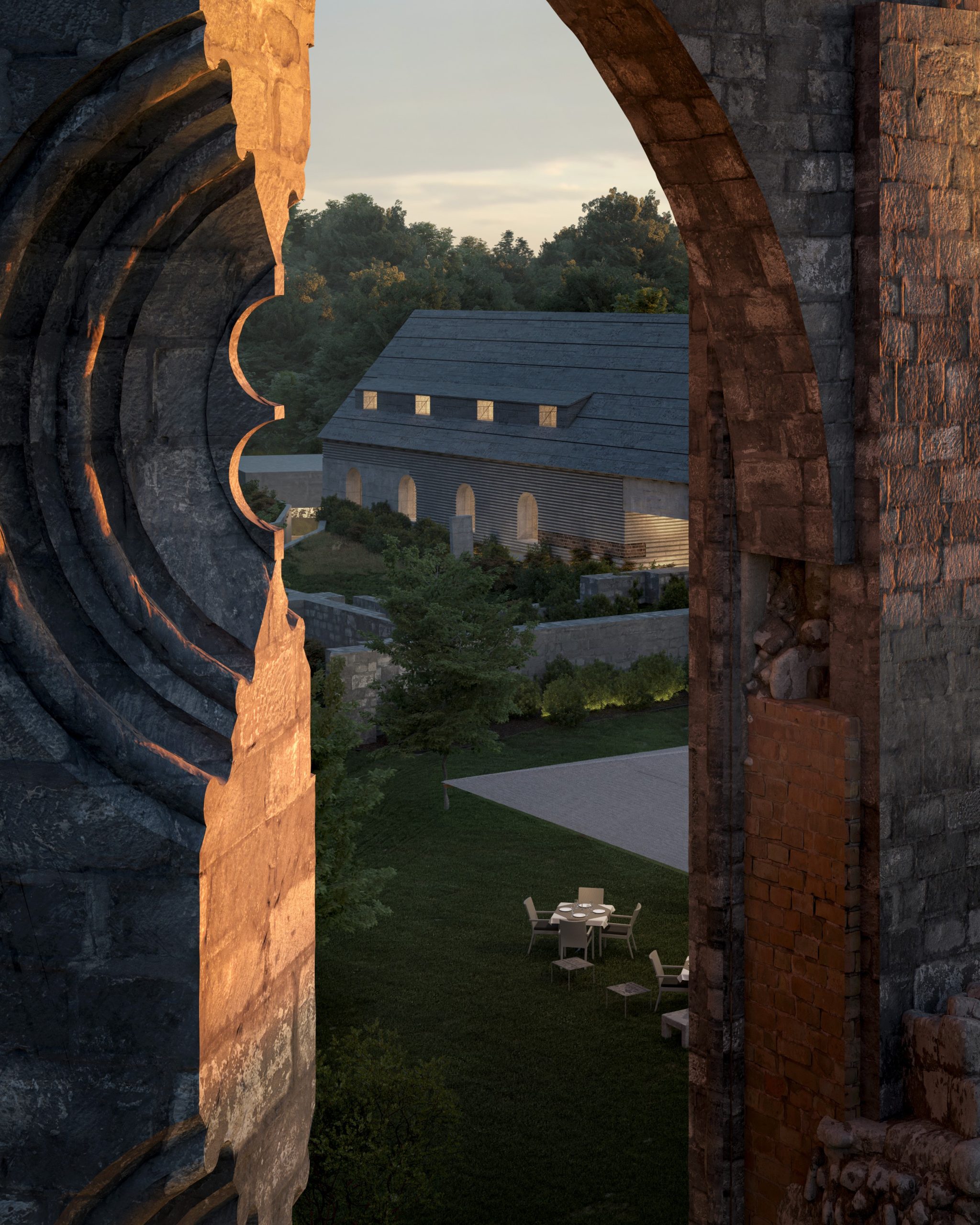
"Let the work of István Möller in Zsámbék stand as an example here, who started the task with the intention of rebuilding and treasured the Middle Ages carved in stone as a celebrated architectural and historical monument preservation thesis.
Keeping it as a ruin is a direct reference to historical antecedents, and filling it with a function is the fulfillment of memory." (from the tender description)
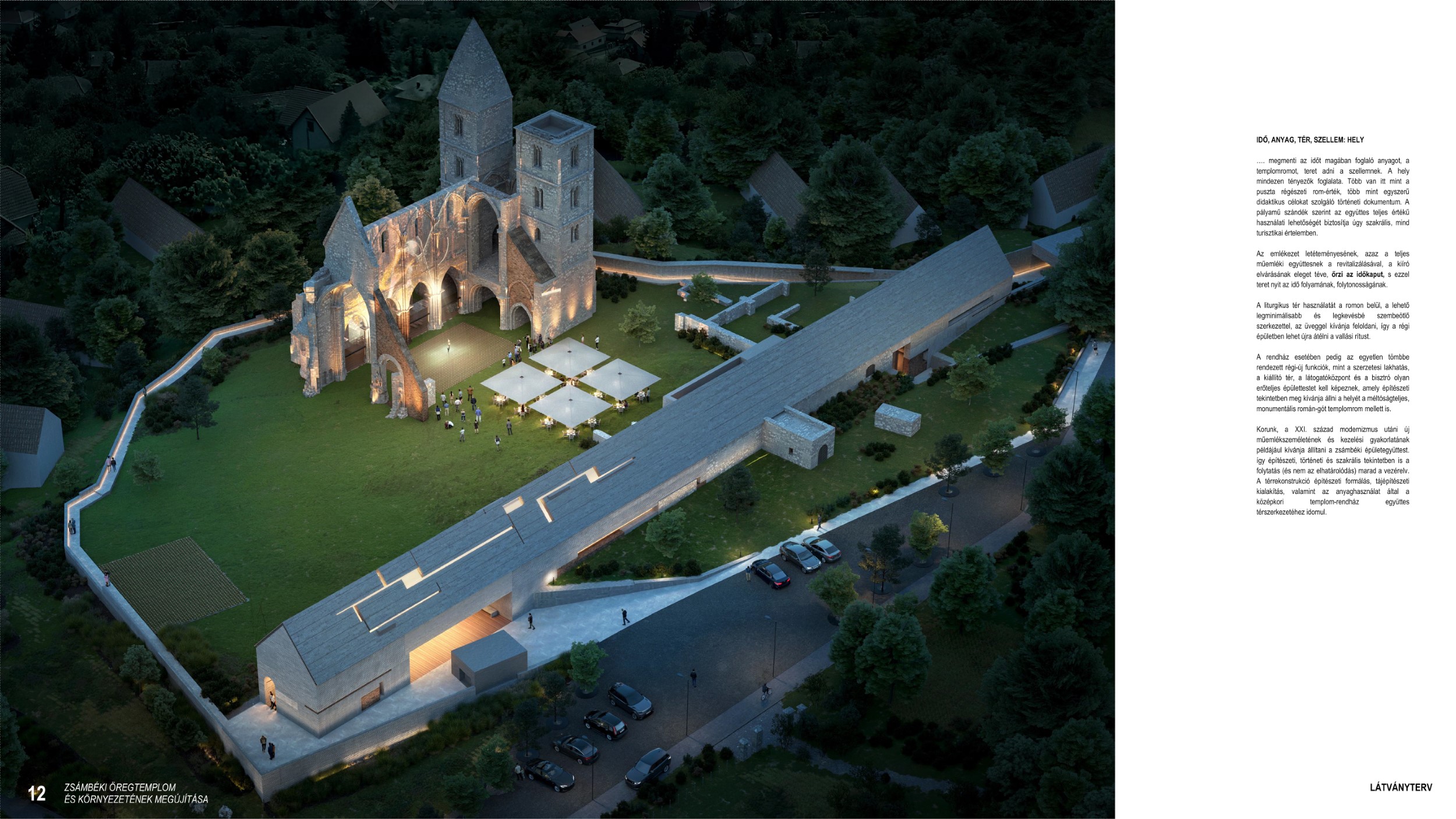
Time, matter, space, spirit: place
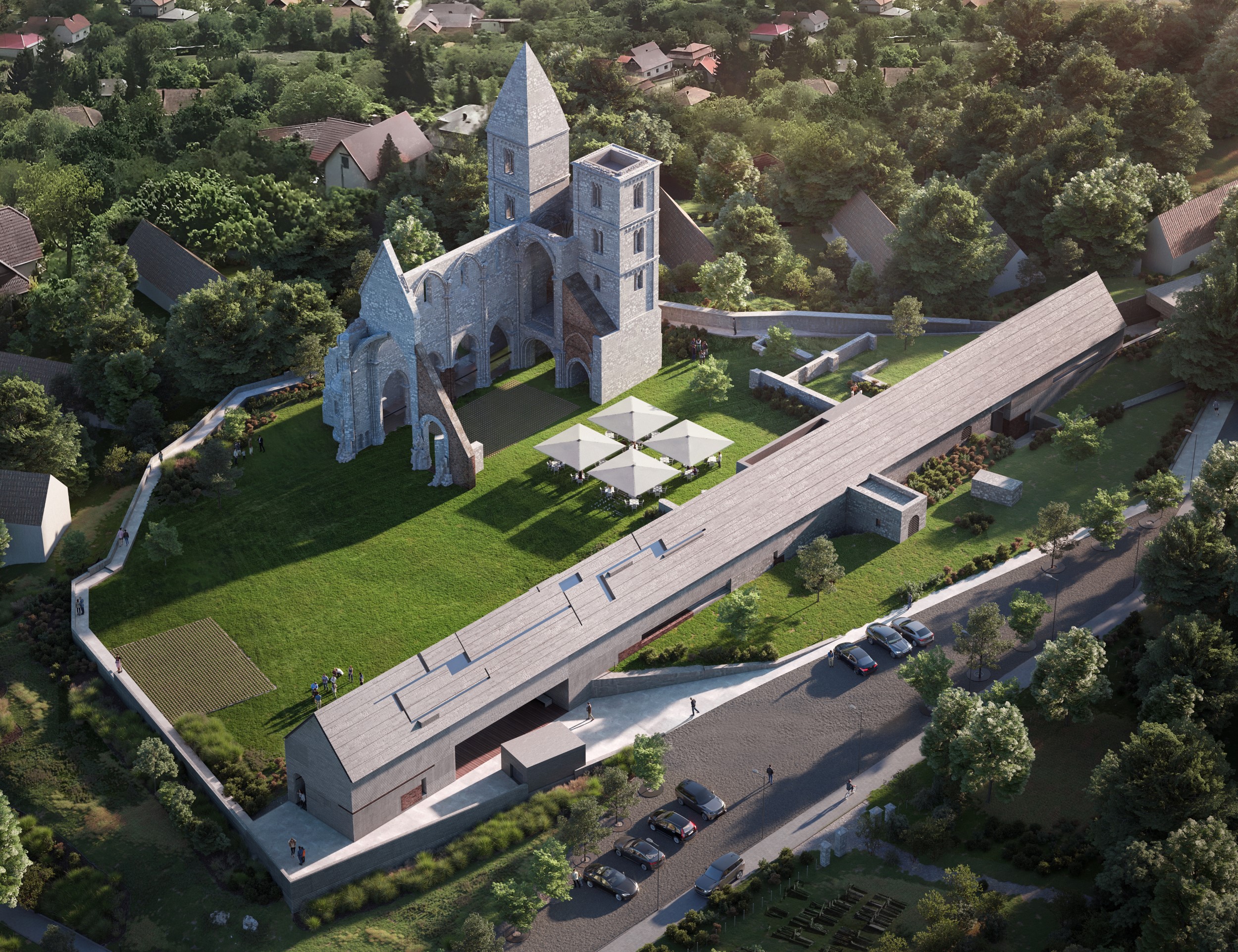
…. it saves the material that includes time, the temple ruin, to give space to the spirit. The place is the summation of all these factors. There is more here than mere archaeological ruins, more than a historical document serving simple didactic purposes. According to the intention of the project, it ensures the full use of the ensemble in both a sacred and touristic sense.
By revitalizing the custodian of memory, i.e. the entire ensemble of monuments, meeting the expectations of the advertiser, he guards the time gate and thus opens up space for the flow and continuity of time.
It wants to unlock the use of the liturgical space within the ruins, with the most minimal and least conspicuous structure possible, glass, so that the religious rite can be experienced again in the old building. And in the case of the monastery, the old and new functions arranged in a single block, such as the monks' residence, the exhibition space, the visitor center and the bistro, must form a powerful building body that wants to hold its place in terms of architecture next to the dignified, monumental Romanesque-Gothic church ruin. too. Our era, the XXI. intends to present the building complex in Zsámbék as an example of the new post-modernism approach and management practices of the 19th century. Thus, in terms of architecture, history and sacredness, continuation (and not separation) remains the guiding principle. The spatial reconstruction adapts to the combined spatial structure of the medieval church-monastery through architectural shaping, landscape design, and the use of materials.


ARANYBIKA

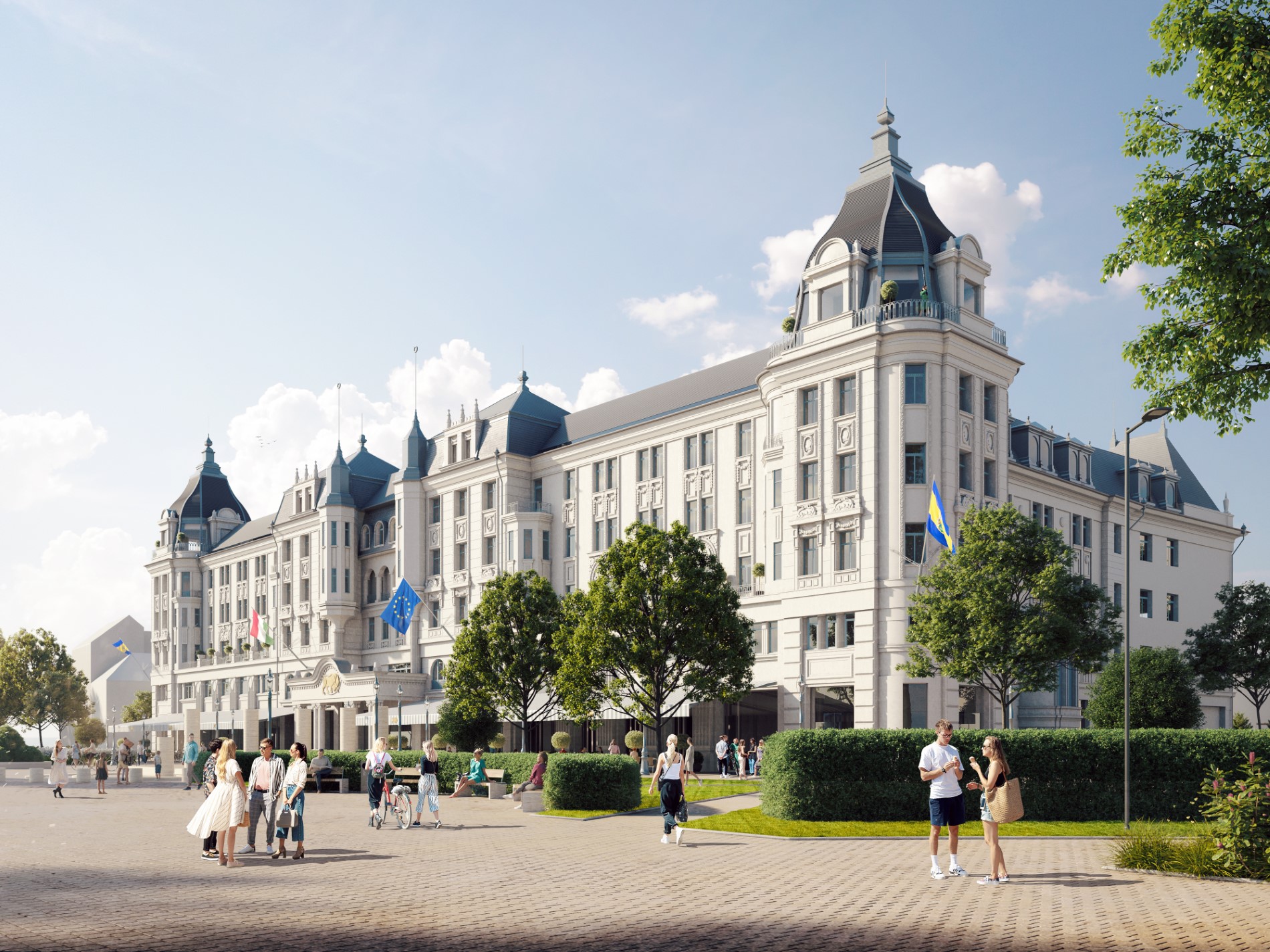
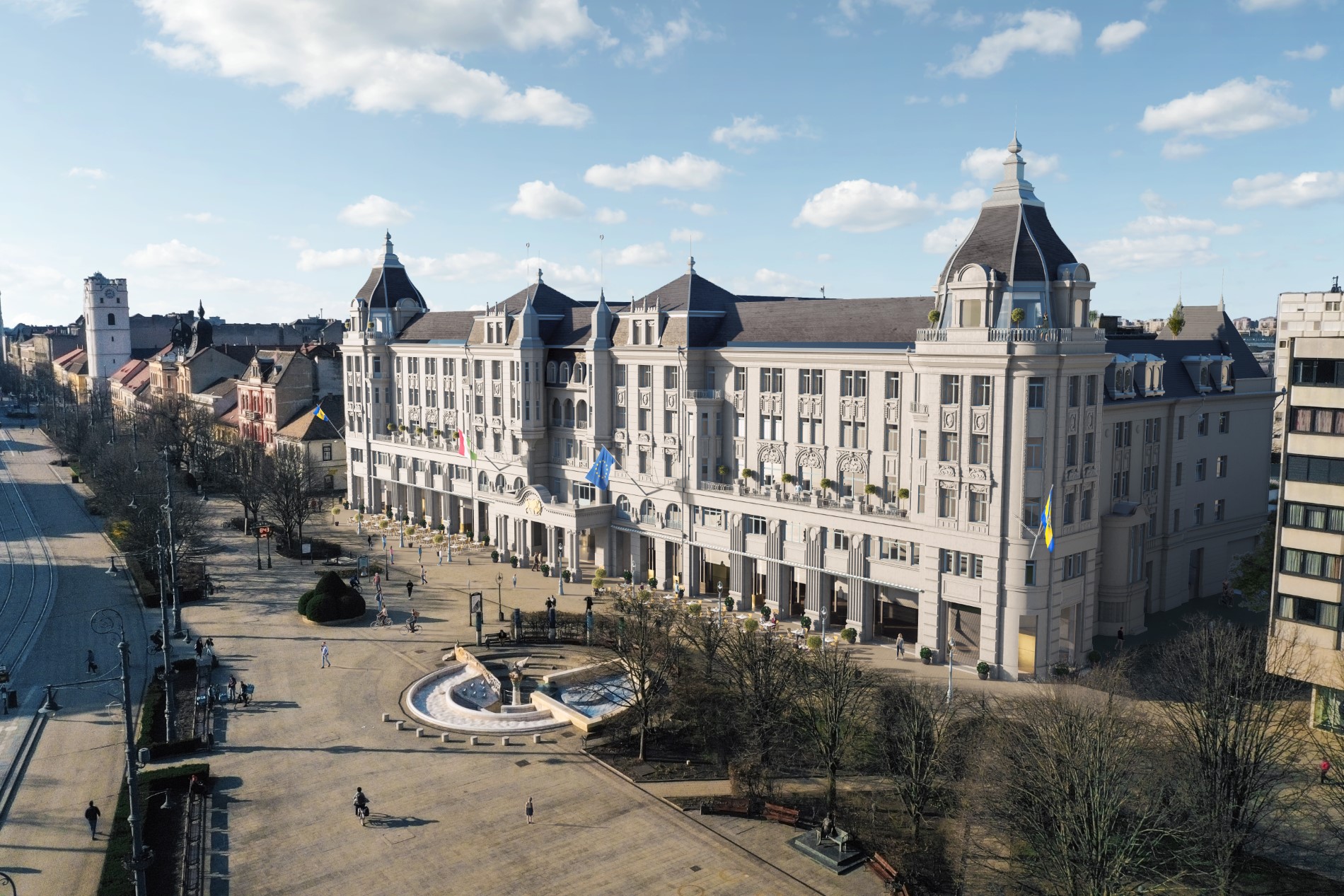
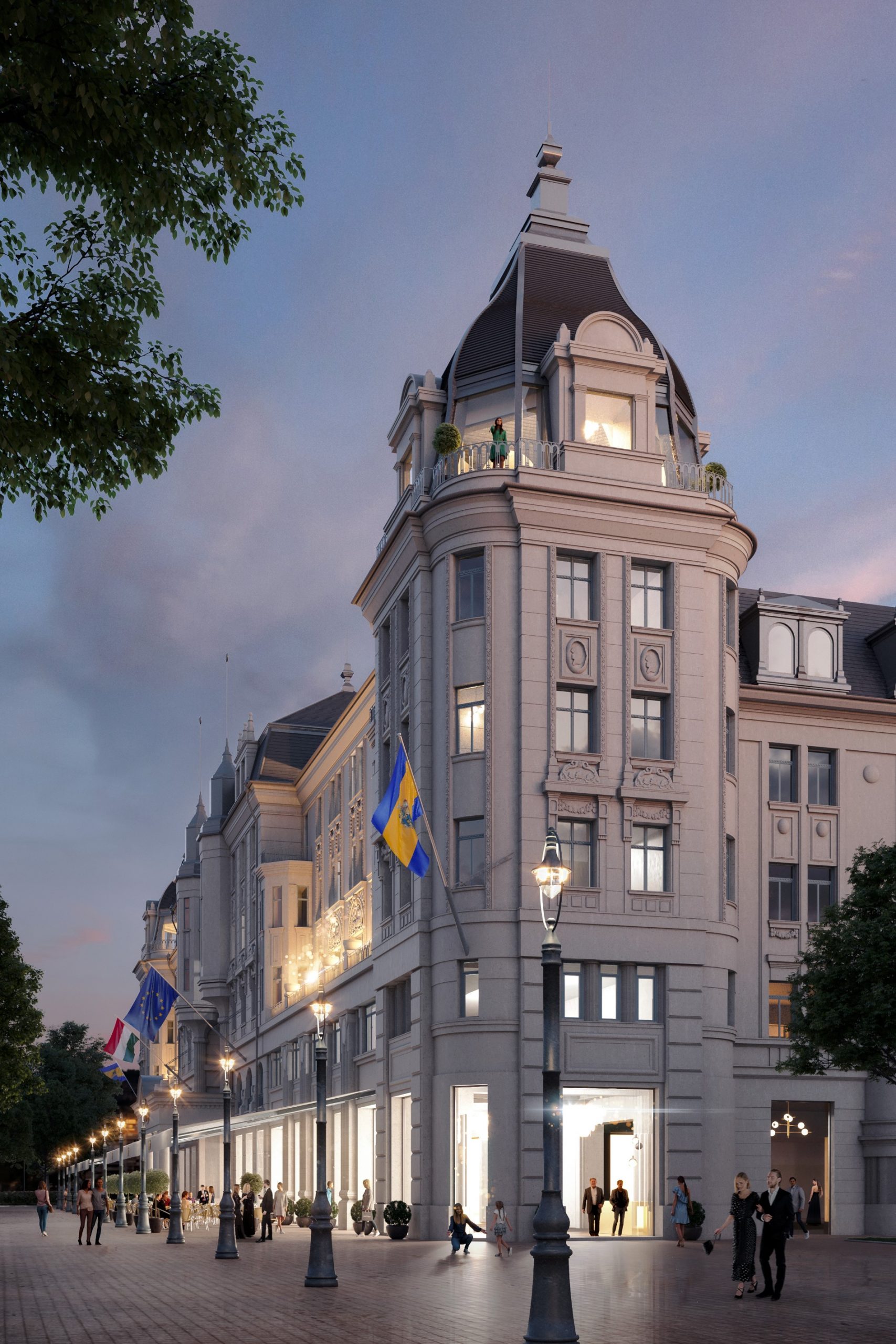
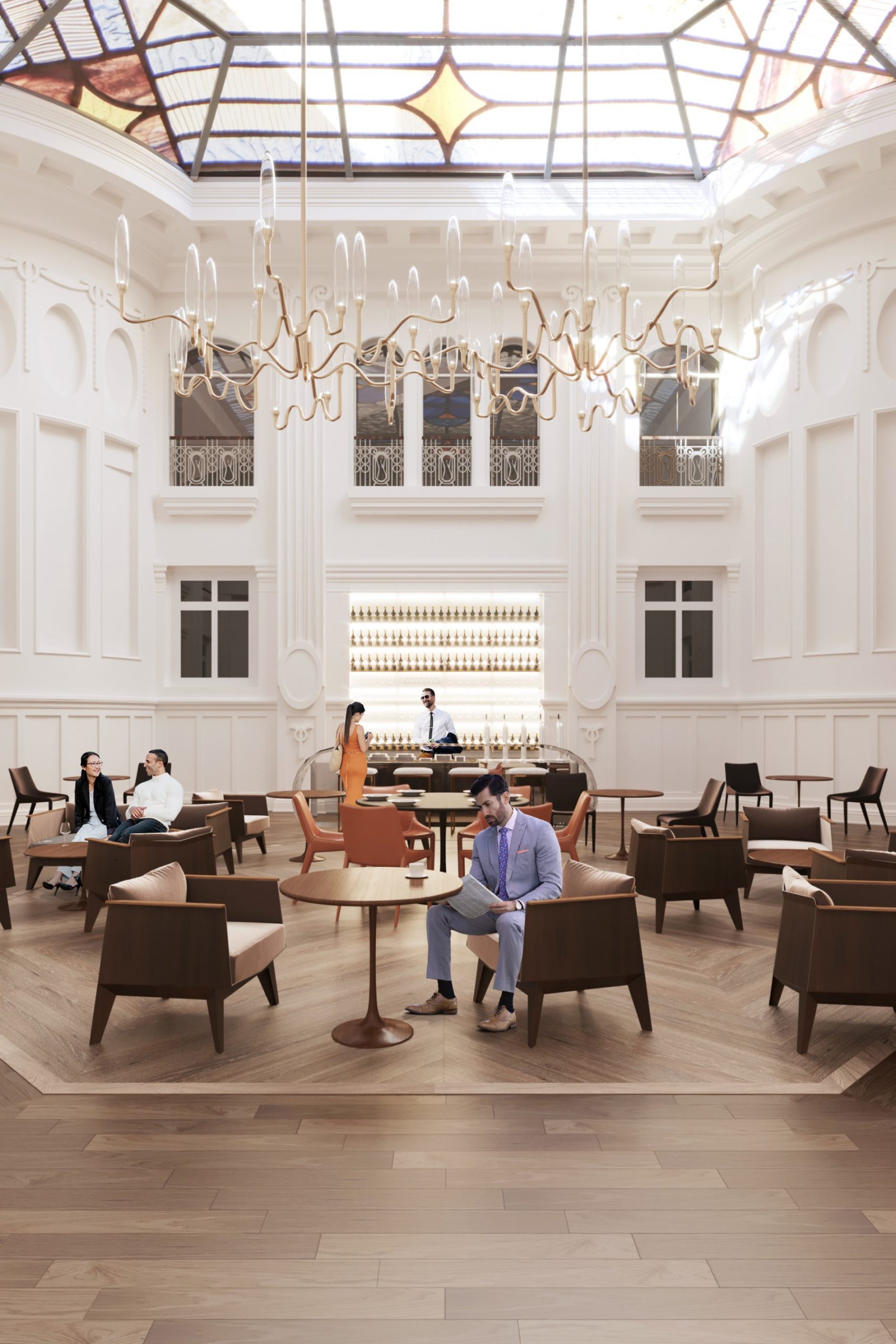
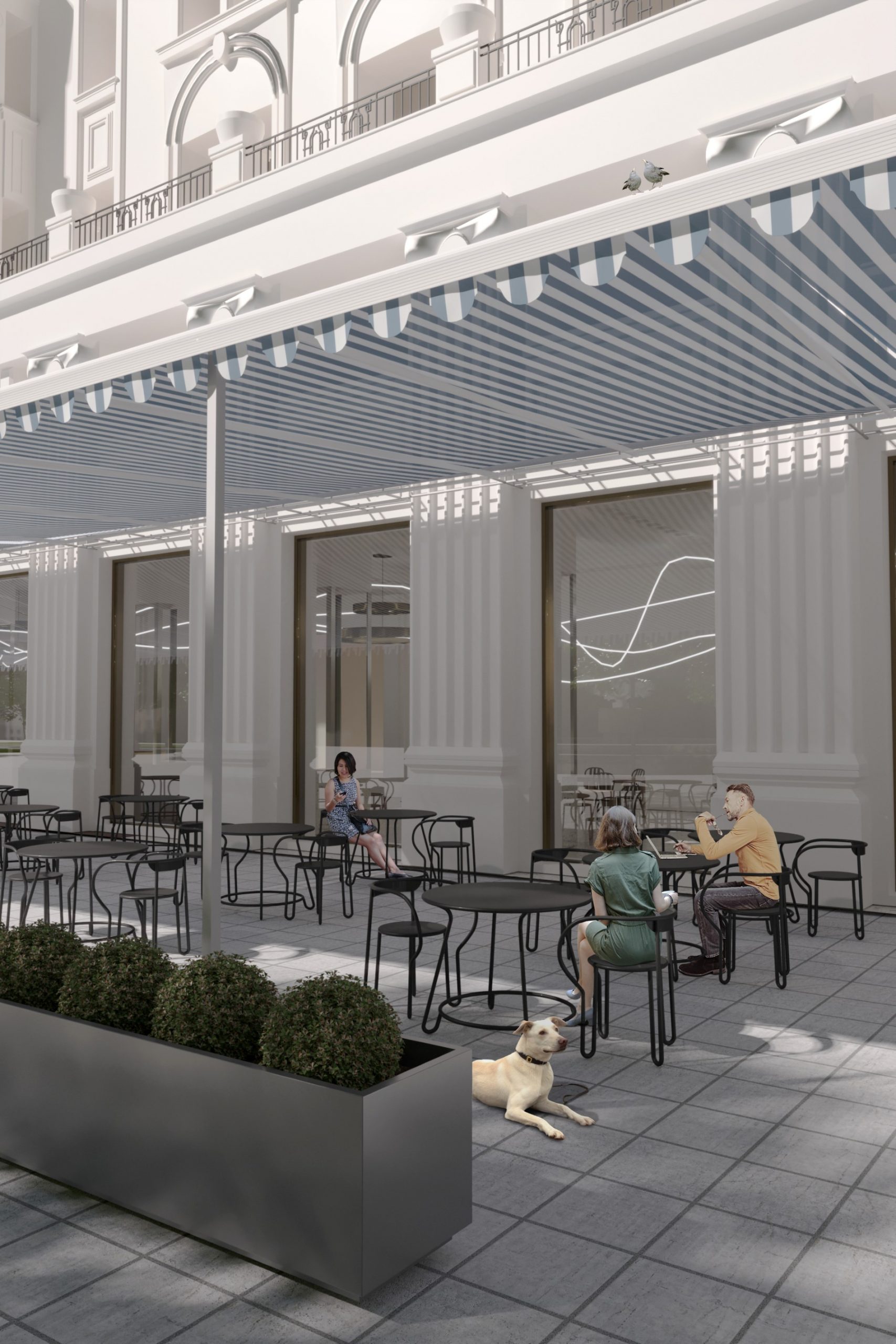
In harmony with the city and the style of the classic building - this is how Aranybika Szálló can be renewed
„A bírálóbizottság egy pályaművet, a NAPUR ARCHITECT Kft. pályázatát kimagasló színvonalúnak ítélte, ugyanis építészeti szempontból valódi választ adott az MCC szellemiségének megjelenítésére – ez teremtette meg leginkább az épített környezettel való összhatást. A nyertes pályamű a maga radikálisan konzervatív szemléletével teljes mértékben kielégíti az MCC és a város polgárságának elvárásait.”
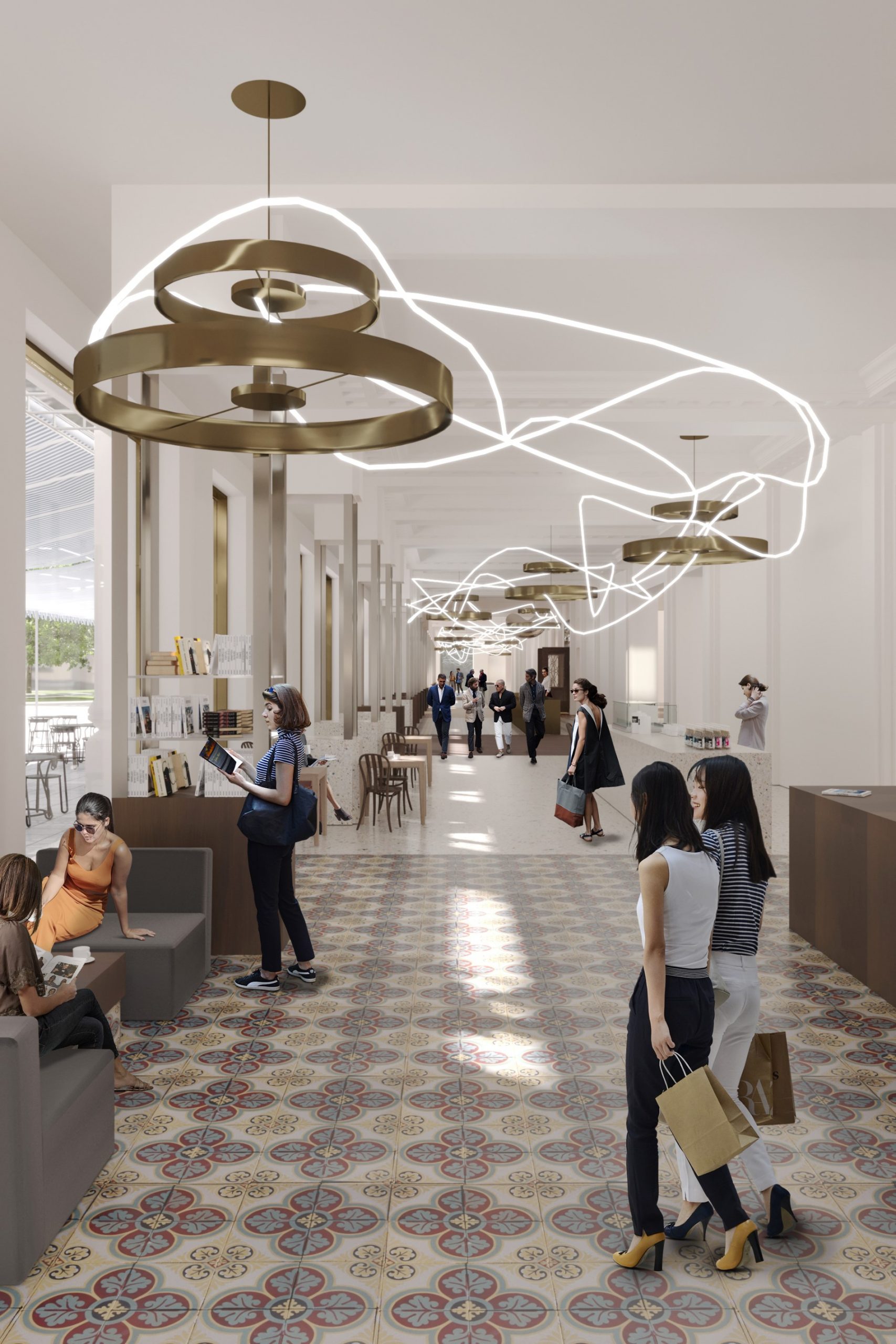
Debrecen, September 22, 2022 - Aranybika Szálló in the heart of the city can be renovated in harmony with the urban environment of Debrecen, in accordance with the style of the old, classic part of the building and in accordance with modern technical requirements. The professional committee evaluating design tenders made its decision by evaluating several valuable tenders. According to experts, the first-placed entry from an architectural point of view gives a real answer to the presentation of the spirit of the MCC and this created the overall effect with the built environment. This is in line with the findings of a recent public opinion poll, according to which the vast majority of Debrecen residents would like a renovated Golden Bull in the main square of Debrecen, in a traditional architectural style that fits into the historical cityscape.
.
.
.
.
.
.
.
Design competition - result
.
The judging committee judged one entry, the application of NAPUR ARCHITECT Kft., to be of outstanding quality, as it gave a real answer to the presentation of the spirit of the MCC from an architectural point of view - this created the overall effect with the built environment. With its radically conservative approach, the winning entry fully meets the expectations of the MCC and the city's citizens. The area bounded by Kálvin tér - Kossuth tér - Piac utca is perhaps the most important location of Debrecen's historical urban character. According to the professional evaluation committee, the historicizing method of mirroring proposed by the entry is the most obvious and most popular solution for the design of the new wing. This idea is consistently carried through all the facades of the building, so there is no break in style in the building - even if the rear facade does not follow the 21st century appearance in the specification.
.
The reconstruction will take place with the involvement of the people of Debrecen
The architectural investment takes place with the involvement of the city administration and is carried out in accordance with the needs of the local population. The vast majority of the people of Debrecen would like a renovated building in Debrecen's main square to fit in with the historical cityscape, according to a representative poll commissioned by the MCC. The survey shows that, after the Great Church, the people of Debrecen consider the Aranybika Hotel to be the most iconic, historical building that defines the cityscape. Most of the residents of the city of Cívis agree that the Golden Bull should be completed and renovated in accordance with the style of the historic wing. Almost all commenters support the objectives related to the renovation of the Mathias Corvinus Collegium.
MCC Debreceni képzési központ
A Mathias Corvinus Collegium From October 2020, it will operate its training center in Debrecen, in the Aranybika building. Several MCC training programs are available at the institution, such as the Young Talent Program (FIT) for upper elementary school students, the Middle School Program (KP) for high school age groups, and the University Program (EP) for students in higher education. In the academic year that has just started, the center in Debrecen provides training and various public life programs to around 300 students.
Further information:
.



National Athletics Stadium Planning

The Crown of the Queen of Sports
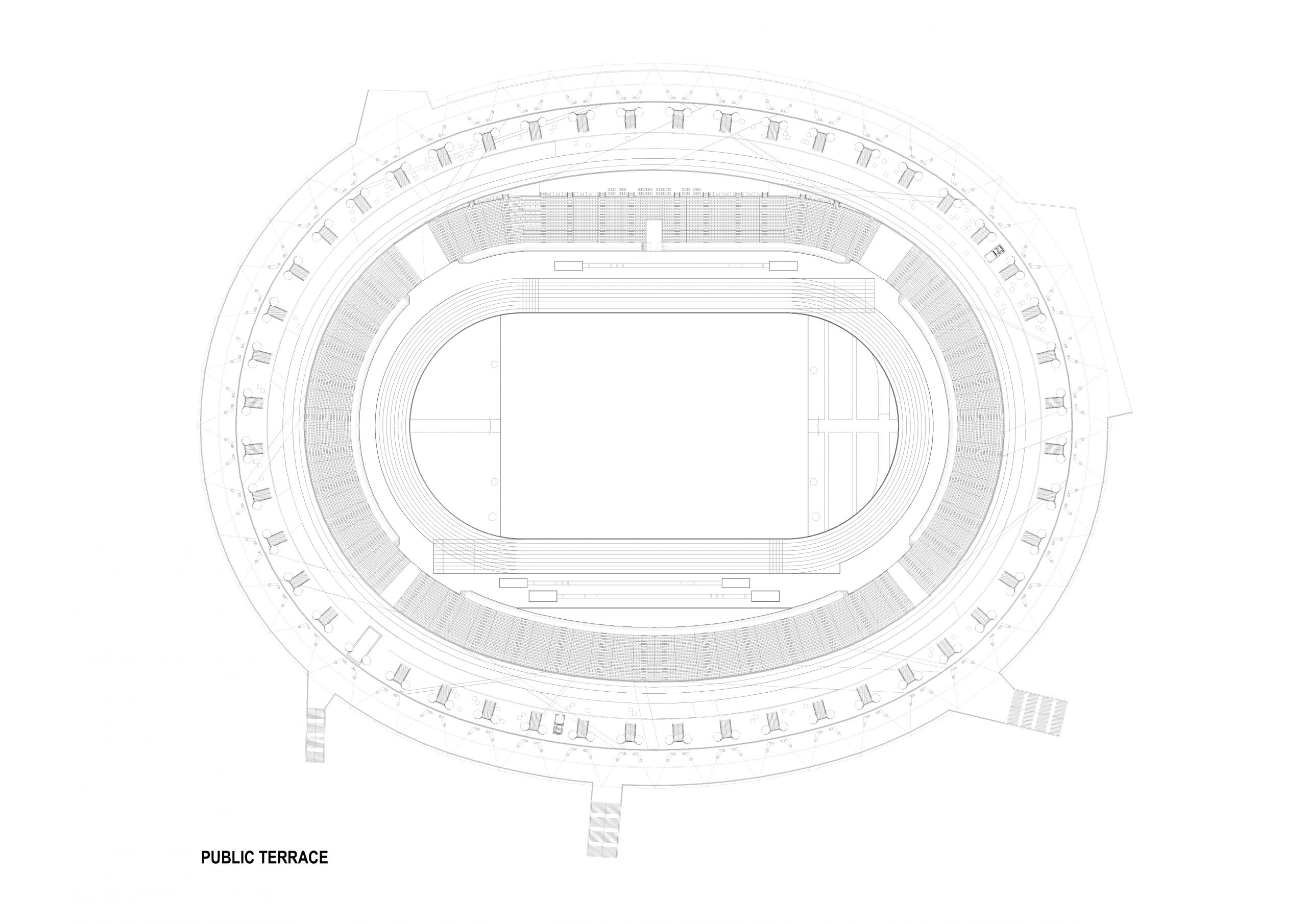
As part of the medium and long-term plans for the urban design of Budapest Southern City Gate Development, NAPUR Architect Ltd. have designed the Budapest Athletic Stadium and its complementary project elements - jointly called the Budapest Athletic Center - commissioned on behalf of KKBK. The design consists of three main areas to be regenerated. The first is the 15-hectare Athletic Stadium and park; the second is the 5-hectare Athletic Training Center; and the third area consists of the Hajóállomás street and its surroundings, which is a key area in terms of the project's integration to the urban structure. The main elements of the design masterplan are the new Athletic Stadium and park on the existing Vituki industrial site; a new pedestrian-cycling bridge designed to connect to the top of North-Csepel; and the new Athletic Training Center, which will be accessible through the bridge. The three project elements aim to contribute to the development of the region with a joint urban architecture vision.
Delivering an expanded array of facilities and platforms, within the framework of the project the rehabilitation of the Vituki industrial site and the Danube area is going to be realized - as well as a new open sport and recreational park that will be created for the capital with the building of the Athletic Stadium designed to fit into the center of the park. Besides providing a new home for future potential international competitions, on weekdays, the elevated reception level of the temporary upper tiers of the Athletic Stadium will include covered and illuminated running tracks, roller-skating rinks, street workout facilities, training areas, and street food services for sports enthusiasts. By changing the previous urban planning proposals that would have affected the current design area, the spectacular view from the Danube - which greatly defines the cityscape - stays uninterrupted. The former industrial functions and the previously planned design of high-rise residential complexes and office buildings are going to be replaced with low built structures with sports, and recreational functions. The goal is to integrate the development into the striking natural environment to honor the outstanding natural values of the area, to reconnect the city to its environmental links with the river, and to create an alluring and engaging part of the city along the Danube. The building of the new Athletic Stadium and the Athletic Training Center - which features an open running and throwing track in North Csepel - are designed according to the functional requirements and event organization recommendations of the Hungarian Association of Athletics (MASZ) and the International Association of Athletics Federations (IAAF). The design of the new Athletic Stadium proposes a flexible and multipurpose facility developed with consideration given to potential audience sizes during international competitions. The legacy mode of the building is designed with a lower tier accommodating 15,000 people and the temporary top stands can be put into operation with an additional 25,000 seats in championship mode.
The building of the new Athletic Stadium and the Athletic Training Center - which features an open running and throwing track in North Csepel - are designed according to the functional requirements and event organization recommendations of the Hungarian Association of Athletics (MASZ) and the International Association of Athletics Federations (IAAF).
The design of the new Athletic Stadium proposes a flexible and multipurpose facility developed with consideration given to potential audience sizes during international competitions. The legacy mode of the building is designed with a lower tier accommodating 15,000 people and the temporary top stands can be put into operation with an additional 25,000 seats in championship mode. The roof structure of the stadium is maintained in both legacy and championship mode. By retaining the roof structure, the building is able to accommodate periodically recurring major international tournaments with a possibility of expanding the structure with a rentable stand, while also maintaining the entire space and sports lighting, loudspeaker, and score display system. The steel structure of the façade of the stadium and its unique stretched cable structure will be developed under the guidance of engineering firm Exon 2000 with the additional consultancy of the British engineering company, BuroHappold. The simultaneously open and closed structure of the building is displayed as an urban pergola and the open Sports Ring below it acts as an urban public space on the banks of the Danube River. The Athletic Stadium, which is planned to open in 2023, will stand as a destination; planned to create a welcoming and comfortable environment for the city-dwellers. With the Duna Arena - designed also by NAPUR Architect Ltd. - placed on the northern part of the banks of the Danube and the new building of the Athletic Stadium in the south, two ‘sports culture start points’ are created, enveloping the center of Budapest from two parts of the capital.
by Marcel FERENCZ DLA




Mathias Corvinus Collegium Új központi épülete

Mathias Corvinus Collegium new headquarter
„Szép példa a kortárs építészetre, jövőbe mutató minőségben”
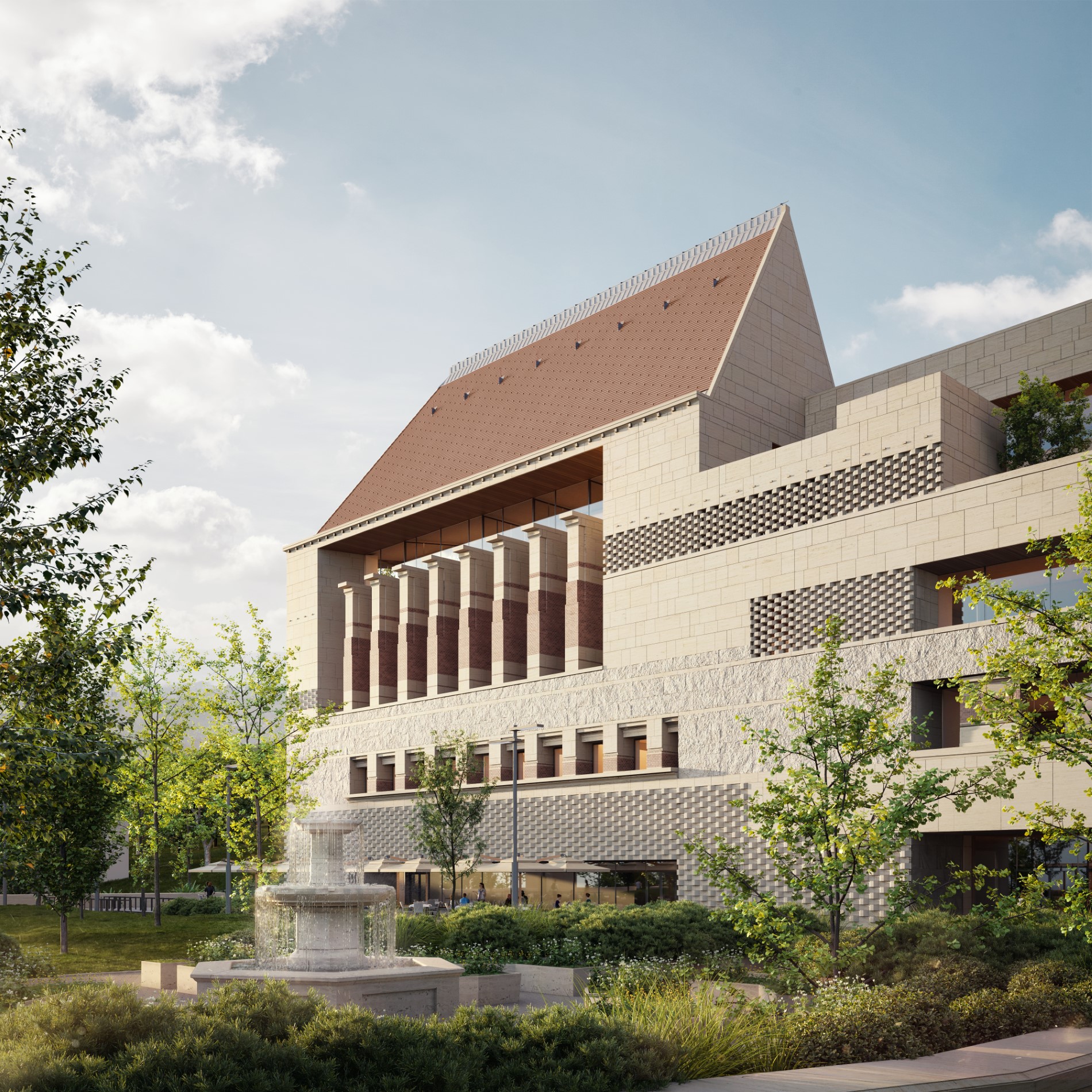
The new building will become a great location for the multilayered talent nurturing and diversified professional programmes offered by Mathias Corvinus Collegium (MCC).
Considering the constraints of the functional and spatial use of the earlier headquoters, it was an outstandingly important aspect, that the new real estate should really serve the audience of MCC, and for this, one’s kind of innovative designer attitude needed, which is involved to understand the values represented by the institution, with its special functional and spatial requirements.
Beyond the functional and operational necessities, determining and extremly exciting architectural excercise is to address the designed spaces with an architectural treatment, which bears meaning well beyond itself.
The mission of MCC is that the new building will appear as a positive symbol for the whole of the rising Hungarian nation in the 21st century on the site of the former center of Workers’ Militia.
A szakma kiválóságai és az I. kerület is támogatta a nyertes pályaművet_ A bírálóbizottság döntésében kiemelt szerepet játszott az, hogy a leendő épület messzemenőkig illeszkedjen Budapest és a környék városképébe, erre a tagok is felhívták a figyelmet, A mostani épület „erődszerű kialakítása, egyfajta markáns beavatkozás a Gellért-hegy lábánál, amely nem a befogadást, hanem a távolságtartást akarja sugallani.” – nyilatkozta Kálmán Ernő Ybl díjas építész, a bírálóbizottság társelnöke. „Ezzel szemben a nyertes tervpályázatok nyitott, befogadó épületeket ábrázolnak […], a Napur Architect Kft. például az épületegyütteshez egy reneszánsz kertet képzelt el, amellyel képes megidézni az emberközpontúságot.” Fontosnak tartjuk tehát kiemelni, hogy a mostani, szocializmusban emelt, katonai objektumra emlékeztető betonmonstrum soha nem illeszkedett a Gellért-hegy látképébe, és rombolta a történelmi épületekkel tarkított budapesti látképet. Éppen ezért döntött úgy a bírálóbizottság is, hogy a magyar építészeti hagyományokhoz illeszkedő tervpályázatot támogatja, amely szervesen illeszkedik a világörökségi látképbe. Erről Csány Éva, I. kerületi főépítész is nyilatkozott. Szerinte a tervek egyediek és magas színvonalon születtek, így a megvalósuló koncepció mindenképpen méltó otthona és központja lehet majd a magyar tehetséggondozás ügyének. Kifejtette, a szép tető látványa, a cserepek befogadhatóbbá tesznek egy épületet, nem a magasságot növelik elsősorban. „Én azt nem tartom bajnak, ha nem simul bele a környezetébe az épület, hanem meg akarja mutatni magát távolról is.” – tette hozzá a főépítész.
In this manner infront of the building there will be a newly constructed public park, enriched by historically significant water surface and spieces of trees, opened to every member of the neighbourhood, to provide a new possibility of leisure and to spend quality time with the community.

Museum of Ethnography Planning
World’s Best Architecture
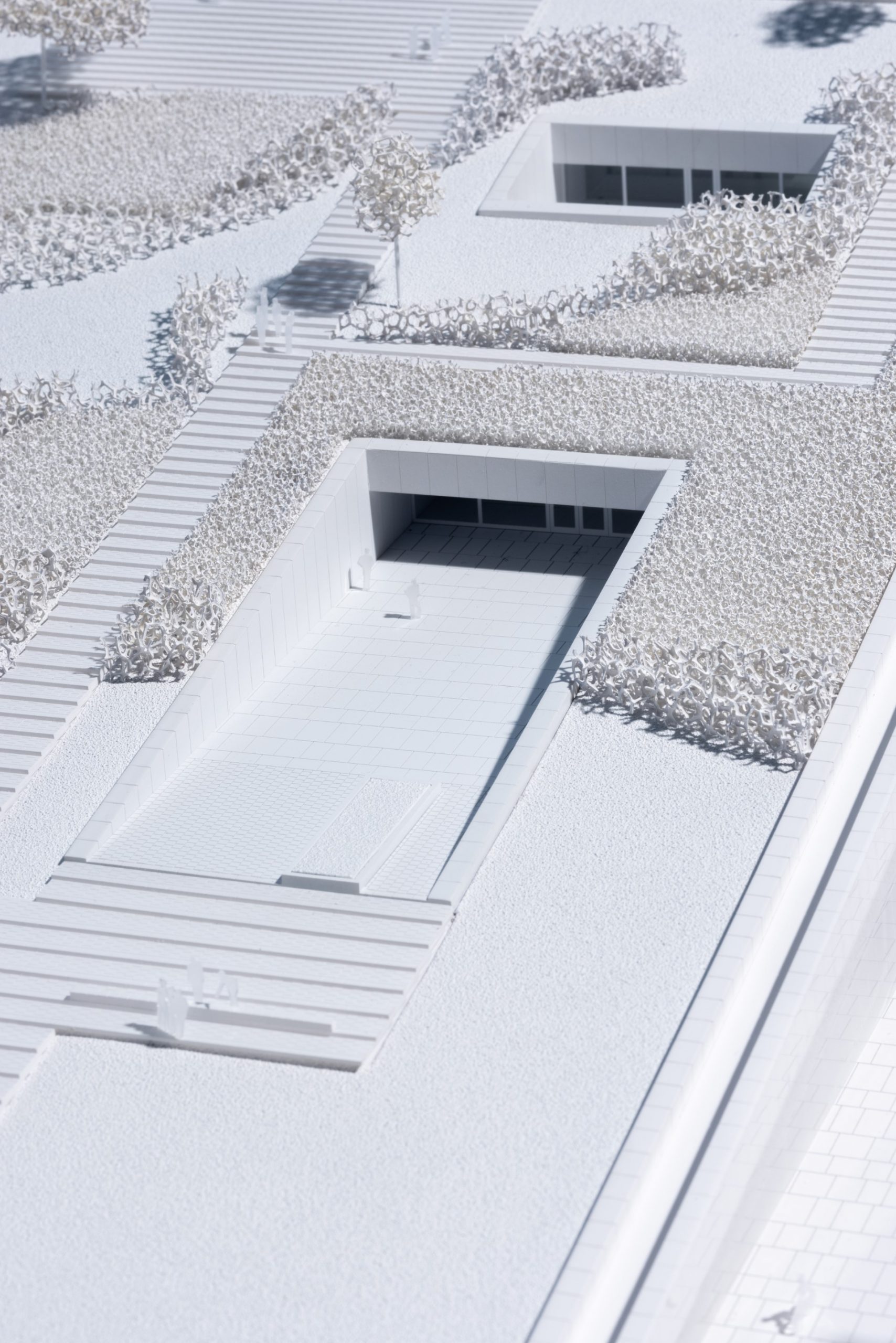
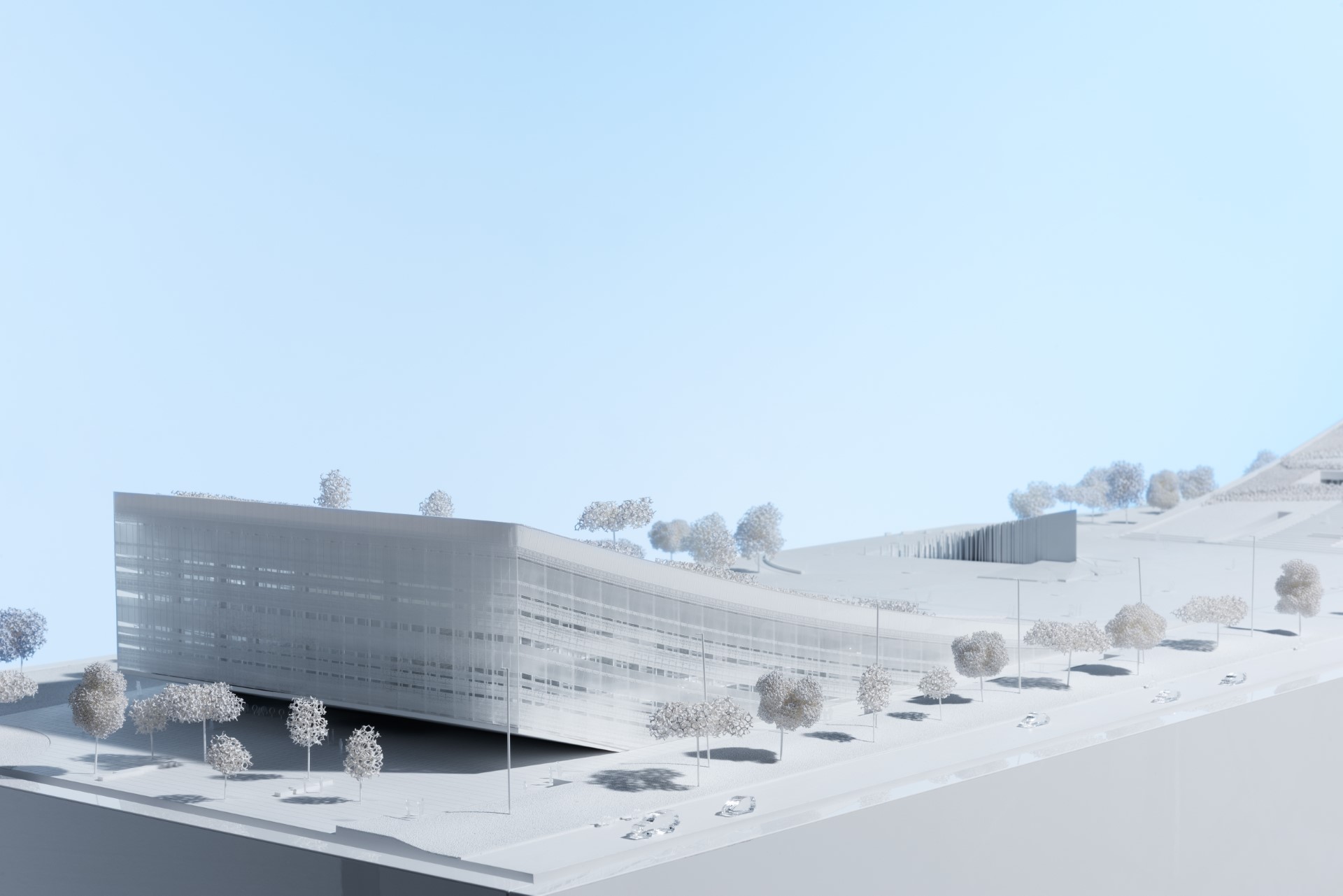
The multiple award-winnig new museum building – which is part of Europe’s largest urban-cultural development called Liget Budapest Proejct - designed by Napur Architect has dynamic yet simple lines simultaneously harmonised with the park environment and communicating with the surrounding urban area. The City Park (Városliget) is a familiar venue for the Museum of Ethnography: its collection debuted here at the 1896 Millennium Exhibition.
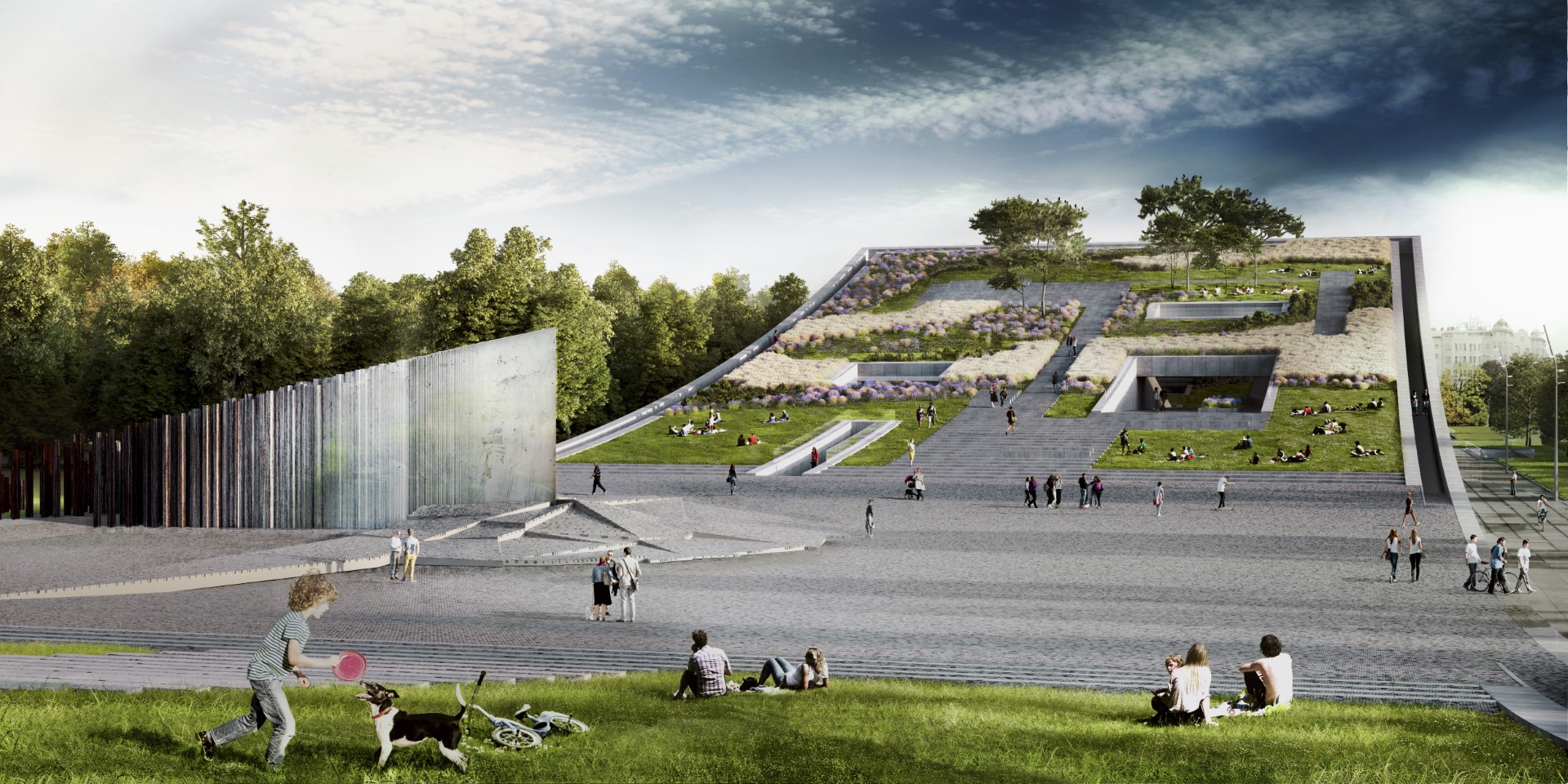
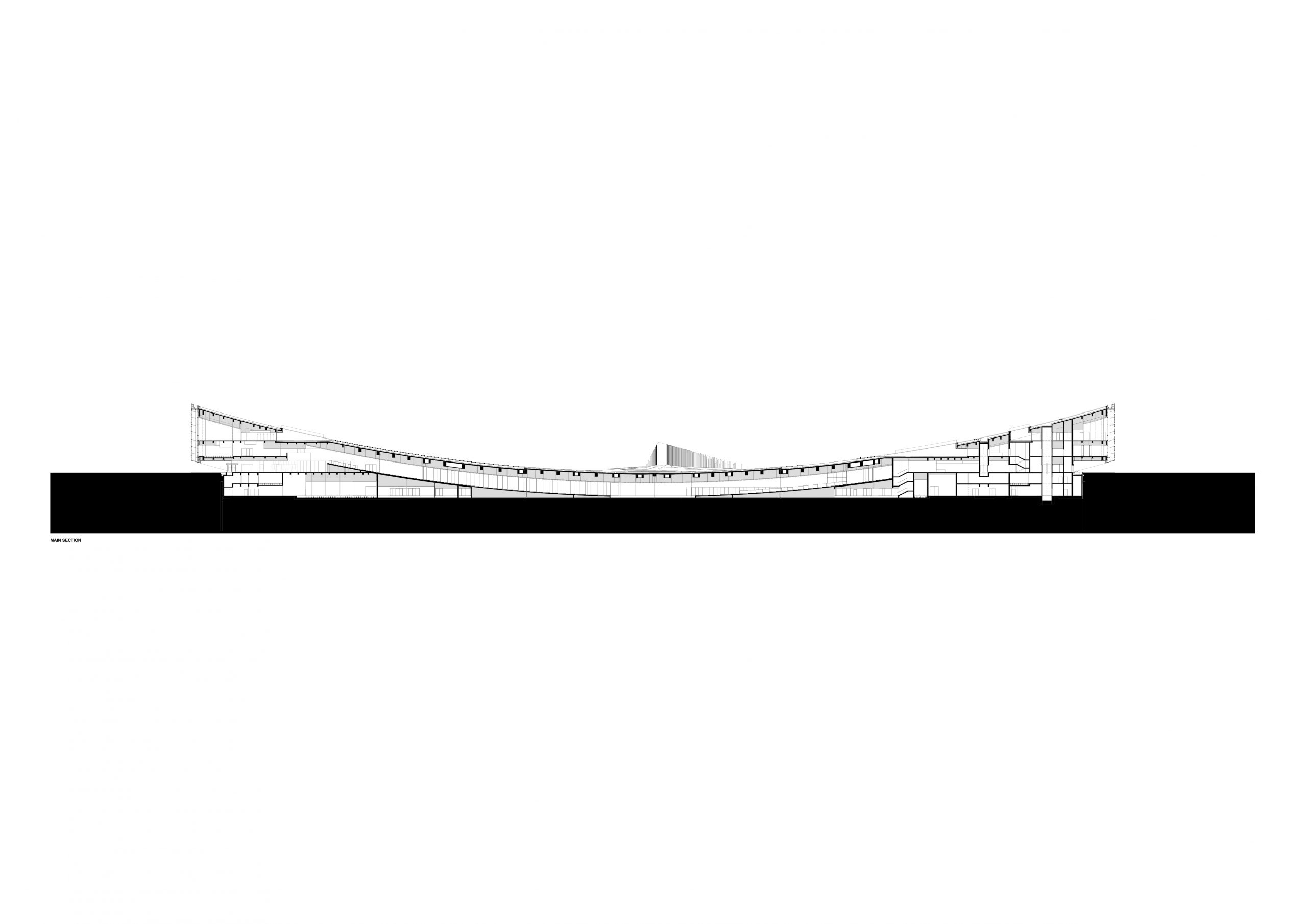
The City Park (Városliget) is not an entirely unknown venue for the Museum of Ethnography, since it was here in 1896, at the National Millennium Exhibition. The collection, which now comprises 250 thousand items from the Carpathian Basin and from every corner of the world, has been hosted by various facilities since its establishment in 1872, but never in its history did it operate in a building designed specifically to cater to its needs. The current location, which once was home to the Hungarian Curia, is far from being suitable to meet the requirements of a museum, and is severely limited in terms of space and opportunities. As a result of the international design competition, the Museum of Ethnography will be finally given a new home in a truly modern building of an all-round world-class standard that will satisfy professional requirements, while catering to the needs of the collection and visitors alike. According to the decision of an international jury, the competition was won by the Hungarian architectural studio, Napur Architect (beating leading world-class architect studios such as Zaha Hadid, BIG, etc.), whose building is distinguished by a dynamic yet simple design harmonised with the natural environment of the park while communicating with the urban texture of its surroundings. The gently curving lines enable the building to function as a gateway and a passage linking the city and the park. Sixty percent of the structure is under ground level, and thanks to the landscaped roof and the transparency of the sections over the ground, the new museum is adapted to its environment in its scale too. The grass-covered roof area will be a pleasant community space awaiting visitors to Városliget.


Culture chalice
The Museum of Ethnography is already recognized as one of the most exciting contemporary building in the continent. Evidence of that, it was voted for the Best Mega Futura Project of Europe (as part of the Liget Project) at the MIPIM Awards 2017, and has won the fiercely contested title of World’s Best Architecture at the 2018 International Property Awards. The project was one of over 1700 entries from 115 countries, scrutinised by a judging committee, which is chaired by four UK Lords as well as over 80 global experts.
The new functions and flexible spaces of the modern and state-of-the-art museum building will facilitate the understanding of the historical heritage embodied by the collection as well as the various aspects of contemporary society. Besides passing down this historical heritage, the realisation of more recent professional and research themes and perspectives continues to be among the priority objectives of the museum, as confirmed by its mission.
The creatively built spaces will open up new opportunities to communicate with visitors, enabling the presentation of the everyday objects, phenomena and ideas of the past and the present side by side.
The purpose-built museum was designed with maximum consideration for the required functions, and thus facilitates the large-scale, modern, user-friendly operation of the institution to a significant degree, along with the visually enticing and diverse display of mankind’s material and spiritual heritage, as well as the collection comprising Hungarian and international material.
.